
Discover the complete guide to RV and tent camping near Yellowstone National Park. Learn tips for campgrounds, scenic spots, essential gear, and personalized advice for an unforgettable outdoor adventure.
- -1- Choosing the Right Camping Style Near Yellowstone
- -2- Top RV Campgrounds Close to Yellowstone
- -3- Best Tent Camping Locations
- -4- Essential Gear and Preparation Tips
- -5- Wildlife and Safety Considerations
- -6- Seasonal Advice and Timing Your Trip
- -7- Personal Experiences and Stories
- -8- Where to Book and Get Support
1. Choosing the Right Camping Style Near Yellowstone
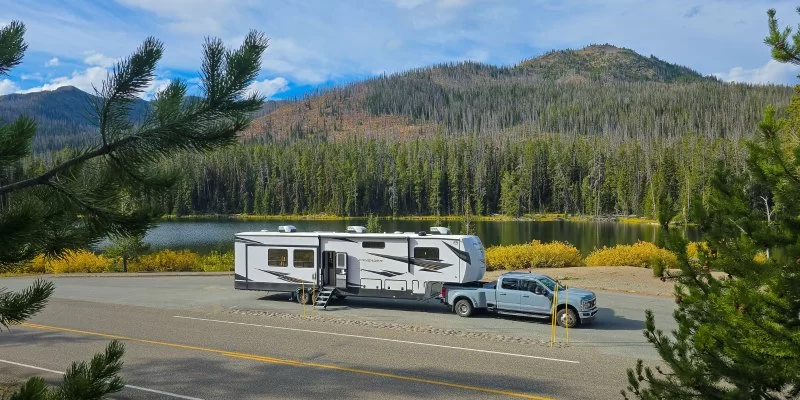
Planning my trip near Yellowstone National Park always begins with deciding between RV camping and tent camping. Each style offers unique advantages. RV camping provides comfort, power, and a mobile home-like experience, which is perfect for longer stays or family trips. Tent camping, on the other hand, delivers a more immersive outdoor experience. Feeling the crisp morning air and waking to the sounds of nature is something I never take for granted.
When I plan, I evaluate my group’s preferences, the length of stay, and proximity to key park attractions. For first-timers, I recommend combining both experiences: starting with an RV for convenience, then switching to tent camping for a night under the stars.
2. Top RV Campgrounds Close to Yellowstone
2.1 Canyon Campground
Canyon Campground is one of my favorite stops for RVs. It provides spacious sites with electric hookups and easy access to the Grand Canyon of the Yellowstone. I remember parking my RV here last summer and spending the evening photographing the colorful cliffs and waterfalls.
2.2 Bridge Bay Campground
Bridge Bay is ideal for those seeking water access. Boating and fishing are just steps away, making it perfect for an early morning kayak trip. I’ve often enjoyed the calm lake views right from my RV window while sipping coffee.
2.3 Grant Village Campground
Grant Village offers modern amenities, including water and sewer hookups. Its proximity to the West Thumb Geyser Basin allowed me to combine a relaxing RV stay with an easy hike to geothermal features.
3. Best Tent Camping Locations
3.1 Slough Creek Campground
For tent campers, Slough Creek is unforgettable. I’ve pitched my tent on soft, grassy areas while listening to the nearby creek. The remote location made me feel completely immersed in Yellowstone’s wilderness, with elk sightings during early morning hikes.
3.2 Pebble Creek Campground
Pebble Creek offers a serene setting with fewer crowds. Last fall, I spent two nights here, waking to the gentle rustle of leaves and enjoying campfire storytelling with fellow hikers.
3.3 Indian Creek Campground
Indian Creek is perfect for those seeking a more rugged experience. I personally appreciated the privacy and the starry skies that stretched above, unmatched by any urban camping experience.
4. Essential Gear and Preparation Tips
Over years of camping near Yellowstone, I’ve learned that preparation is key. Here’s what I always bring:
4.1 Shelter and Bedding
Whether it’s a sturdy RV or a high-quality tent, having reliable shelter is non-negotiable. I always test my tent setup before the trip to ensure no leaks or tears.
4.2 Cooking Equipment
Portable stoves, propane grills, and compact cooking tools make a huge difference. I prefer cooking simple, hearty meals, and always pack extra fuel in case of longer hikes or delays.
4.3 Clothing and Safety Gear
Layered clothing, waterproof jackets, and durable boots are essential. Additionally, I carry a first-aid kit, bear spray, and a reliable flashlight to stay safe in remote areas.
5. Wildlife and Safety Considerations
Camping near Yellowstone means sharing space with incredible wildlife. I’ve seen bison, bears, and wolves from a safe distance. Respecting wildlife rules is crucial:
5.1 Food Storage
I always use bear-proof containers or park-provided lockers to store food. Improper storage can attract bears, creating dangerous situations.
5.2 Trail Awareness
When hiking to or from campgrounds, I make noise to alert animals of my presence. Staying on marked trails minimizes encounters and protects the ecosystem.
5.3 Emergency Preparedness
I keep a phone, GPS, and maps handy. For serious emergencies, contacting professionals like Pine Cliff Resort or nearby rescue services ensures help is available quickly.
6. Seasonal Advice and Timing Your Trip
Timing affects both comfort and experience. I’ve found that late spring and early fall offer mild temperatures and fewer crowds. Summer is perfect for extended RV stays but expect busy campgrounds. Winter camping is for the adventurous, with snow-covered landscapes providing a magical, quiet retreat.
7. Personal Experiences and Stories
One memorable trip was last June when I camped in a tent at Slough Creek. A sudden afternoon thunderstorm forced me to rely on my well-prepared gear. The shelter held strong, and after the storm passed, I witnessed a double rainbow over the creek—a moment I’ll never forget. These experiences reinforce why preparation, knowledge, and respect for nature are essential.
8. Where to Book and Get Support
For planning my Yellowstone adventure, I often rely on Pine Cliff Resort for reservations, RV hookups, and expert local advice. Whether you are a first-time camper or a seasoned outdoors enthusiast, their team can help secure the best campgrounds, provide equipment tips, and offer guidance to enhance your experience. Booking early is key, as campgrounds fill quickly during peak season.
Virgin Valley Campground
Nevada 89445, USA
Visit Location PageGroup Camping
27331 OH-278, McArthur, OH 45651, USA
Visit Location Page