
Learn how to stay safe while camping with our comprehensive guide covering wildlife safety, weather preparedness, and campfire safety. Essential tips for every outdoor enthusiast.
Understanding the Importance of Outdoor Camping Safety
Outdoor camping can be an incredibly rewarding experience, offering an escape into nature, a chance to disconnect, and an opportunity to enjoy the great outdoors. However, it’s important to remember that nature comes with its own set of challenges and risks. As a regular camper, I’ve learned firsthand the importance of being prepared for a variety of outdoor hazards, from wildlife encounters to sudden weather changes. In this guide, I’ll cover the essential aspects of camping safety, including tips on dealing with wildlife, preparing for weather conditions, and ensuring campfire safety. If you’re planning a camping trip, these insights will help ensure you have a safe and enjoyable experience.
1. Wildlife Safety: How to Stay Safe Around Animals
One of the most exciting parts of camping is the opportunity to encounter wildlife in its natural habitat. However, these encounters can quickly become dangerous if proper precautions aren’t taken. I’ve had my share of wildlife experiences, including spotting a deer in the woods and even coming across a bear from a distance. But there are safety measures to minimize risks.
1.1. Understand the Local Wildlife
Before heading out on your trip, research the wildlife native to the area where you’ll be camping. For instance, certain national parks may have bears, mountain lions, or wolves, while others may feature less dangerous animals like raccoons or squirrels. Knowing what animals you might encounter will help you better prepare.
1.2. Secure Your Food
One of the most common reasons animals approach campsites is for food. It’s essential to store your food in bear-proof containers or hang it high in a tree to keep it out of reach. When I went camping in Yellowstone National Park, I made sure to use a bear locker provided at the campsite, and I always kept my food in sealed containers, which worked great in keeping wildlife at bay.
1.3. Avoid Feeding Animals
It’s tempting to feed wildlife, especially when they approach your campsite, but this is a huge mistake. Feeding animals, even in small amounts, can make them lose their natural fear of humans, increasing the likelihood of aggressive behavior. On one trip, I watched a family of raccoons slowly become more aggressive when they realized they could easily obtain food from campers, which only added unnecessary risk to everyone in the area.
2. Weather Safety: Preparing for Changing Conditions
Weather can be unpredictable, especially in outdoor environments where conditions can shift rapidly. I once set up camp in the mountains, only to wake up to unexpected rain and hail, which turned my planned day into a struggle for shelter. To avoid these situations, here are some key tips for dealing with weather-related challenges.
2.1. Check Weather Forecasts Before Your Trip
Always check the weather forecast in advance. I always ensure that I know the weather conditions before heading out, but it's also crucial to check periodically during the trip. Weather apps and websites can provide updates on any sudden storms or temperature changes that might impact your camping experience.
2.2. Pack Weather-Appropriate Gear
Proper clothing and gear can make a significant difference in how comfortable and safe you are in various weather conditions. For colder climates, layering is key, while in hot climates, lightweight clothing and staying hydrated are essential. On my last camping trip, the temperature dropped unexpectedly, and I was glad I had packed an extra warm jacket and thermal blankets for such situations.
2.3. Be Ready for a Storm
Sudden storms can catch anyone off guard, especially when you're camping. Make sure your tent is waterproof and that you have a rain tarp to protect your campsite. If a storm hits, try to find shelter in a safe, elevated spot, away from any low-lying areas that could flood. I always have a compact weather radio with me so I can stay informed about any severe weather warnings.
3. Campfire Safety: How to Safely Build and Maintain a Campfire
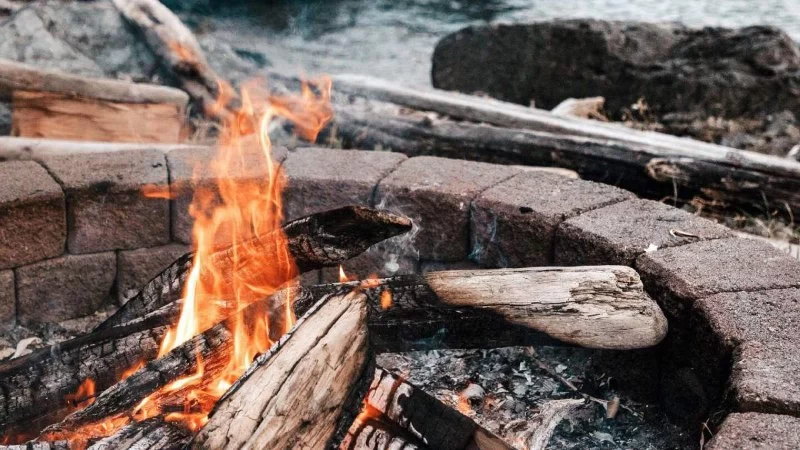
Campfires are one of the most iconic parts of camping, providing warmth, light, and a place to gather around. However, campfires can also pose significant dangers if not handled properly. I’ve always loved sitting around a campfire, but I’ve learned to respect the power it holds.
3.1. Build a Safe Fire
When setting up a campfire, choose a location that is far from tents, trees, and other flammable materials. Always clear the area around the fire pit of any dry leaves, twigs, or other combustibles. On one occasion, I learned the importance of a well-maintained fire ring when a small spark from my fire flew and ignited some nearby dry grass, causing a small scare before it was quickly put out.
3.2. Never Leave a Fire Unattended
One of the biggest mistakes campers make is leaving a fire unattended. Even a small breeze can cause the fire to spread unexpectedly. Always keep a bucket of water or sand nearby to extinguish the fire when you’re done. If you’re tired and heading to bed, make sure the fire is completely extinguished before leaving the campsite.
3.3. Extinguish the Fire Properly
After a fun night by the campfire, ensure that the fire is completely out before leaving it. Pour water on it until you no longer hear hissing, stir the ashes to make sure no embers remain, and feel the area with your hand to confirm there is no residual heat. One summer, I had to spend an extra 10 minutes putting out a fire properly after my group overlooked some smoldering embers—better safe than sorry!
4. Final Tips for Staying Safe While Camping
Camping can be an incredibly enjoyable and enriching experience if done safely. To wrap up, here are a few more tips that have helped me stay safe on my camping adventures:
- Know the First Aid Basics: Always carry a first aid kit and know how to use it in case of injuries.
- Tell Someone Your Plans: Always let someone know where you’ll be camping, especially if you’re heading into remote areas.
- Stay Hydrated: Keep a water filter or purification tablets with you to ensure access to clean drinking water during your trip.
- Respect Nature: Follow Leave No Trace principles to protect the environment and avoid damaging the ecosystem.
For those looking to enhance their camping experience with a beautiful getaway, check out Pine Cliff Resort for the best accommodations and amenities for outdoor enthusiasts. Whether you’re looking for a peaceful retreat or an adventure-filled trip, they have you covered.
Hetch Hetchy Group Camp
California 94550, USA
Visit Location PageBig Hill Lake Beach Area, Mound Valley Park
Cherryvale, KS 67335, USA
Visit Location Page