
"Explore essential camping gear, safety tips, and expert advice to plan your first camping trip successfully."
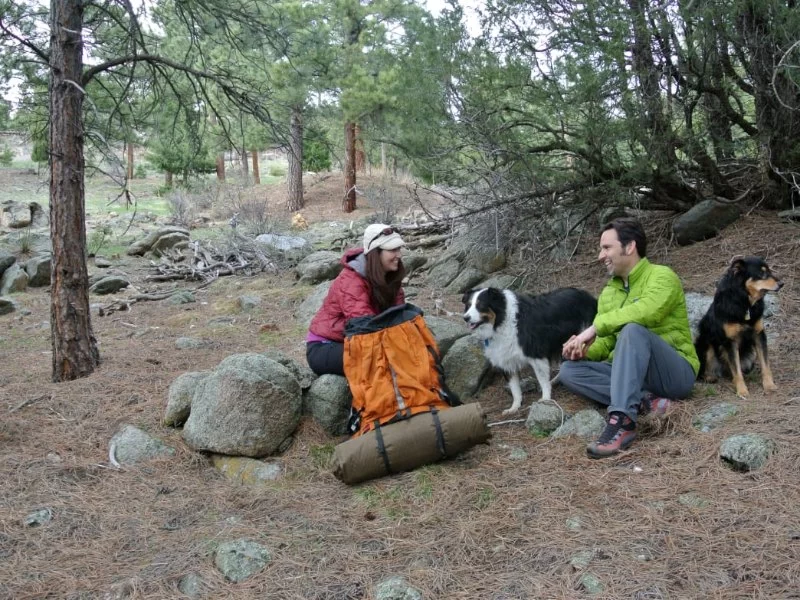
Essential Gear, Safety Tips, and Planning for Your First Camping Trip
Camping is an exciting and enriching way to experience nature, but for beginners, it can be daunting to know where to start. From choosing the right gear to understanding essential safety tips, your first camping trip can feel overwhelming. In this guide, I’ll walk you through everything you need to know to have a smooth, enjoyable, and safe camping experience. Whether you’re heading to a nearby campground or exploring more rugged terrain, these tips will ensure you're prepared for anything that comes your way.
Essential Gear for Beginners
The right gear is key to a successful camping experience. Here’s a breakdown of the essential equipment you’ll need:
1. Tent
Your tent will be your home for the duration of the trip, so choosing the right one is crucial. When shopping for a tent, consider the size, weather resistance, and ease of setup. For beginners, a two- or three-person tent is a great starting point. Make sure it’s rated for the weather conditions you expect, and check reviews to ensure it's easy to assemble. Don’t forget about a waterproof groundsheet to keep you dry!
2. Sleeping Bag and Pad
Sleeping bags are essential for staying warm at night. The type you choose will depend on the season and the temperatures you expect. A sleeping pad is just as important – it adds insulation from the cold ground and provides extra comfort. Make sure the sleeping pad is the right thickness for the conditions you'll face.
3. Cooking Equipment
If you plan to cook while camping, a portable stove, cooking pots, and utensils are a must. Look for lightweight, compact stoves that are easy to pack and use. Don’t forget to bring fuel for the stove and a fire starter in case you need to light a campfire. Also, consider a cooler to store perishable items like meat, cheese, and fresh produce.
4. Lighting
Headlamps and lanterns are essential for nighttime visibility. A headlamp frees up your hands for tasks like cooking or setting up your tent, while a lantern provides light in your tent or around your campsite. Be sure to pack extra batteries or a portable charger.
5. Clothing and Footwear
Layering is key for staying comfortable in varying temperatures. A moisture-wicking base layer, an insulating middle layer, and a waterproof outer layer will keep you dry and warm. Don’t forget durable hiking boots that offer support and protection from the elements. Be sure to pack extra socks and gloves, especially if you’re camping in cooler weather.
Safety Tips for Beginners
Safety is the top priority when camping, and there are a few simple tips that can help keep you and your fellow campers safe during your adventure.
1. Know the Terrain
Before heading out, familiarize yourself with the terrain of your campsite. Know the location of water sources, potential hazards like cliffs or wildlife, and the nearest emergency exits or ranger stations. This will help you make informed decisions about where to set up camp and how to navigate your surroundings.
2. Stay Hydrated and Well-Fed
Dehydration and lack of nutrition can quickly lead to fatigue or even more serious health issues. Make sure to carry enough water for drinking and cooking. Additionally, pack high-energy snacks like trail mix, jerky, or energy bars to keep you fueled throughout the day.
3. Be Prepared for Weather Changes
Weather can be unpredictable, so it’s important to check the forecast before you head out and pack accordingly. Always bring extra clothing in case of rain or colder temperatures. A weather-resistant jacket and a waterproof tarp can be life-savers in unexpected storms.4. Know How to Build a Safe Campfire
Building a campfire is a tradition, but it must be done safely. Ensure you have a fire pit or a designated area for your fire, and never leave it unattended. Always have water or a fire extinguisher nearby in case the fire spreads. Once you’re done, make sure the fire is completely out before leaving.5. Wildlife Safety
If you’re camping in areas known for wildlife, be mindful of safety precautions. Store food in sealed containers and keep it in your car or an animal-resistant locker to avoid attracting animals like bears or raccoons. Learn about the specific animals in the area and how to react if you encounter them.Planning Your First Trip
Now that you’ve got the gear and safety tips, it’s time to start planning your first camping trip!
1. Choose the Right Location
Choosing a suitable campsite is essential for a successful trip. Start with established campgrounds that offer amenities like toilets, showers, and potable water. These campsites provide a comfortable introduction to camping, especially for beginners. Once you feel more confident, consider more remote boondocking locations for a true wilderness experience.
2. Make a Checklist
Creating a checklist of everything you need to bring will help ensure you don’t forget anything important. Consider all the essential gear and safety items mentioned earlier, as well as any personal items you need. Packing in an organized way can save you a lot of hassle during your trip.
3. Be Flexible with Plans
While it’s great to have a plan, it’s equally important to be flexible. Things don’t always go according to plan, especially in nature. If it rains or the trail is more difficult than you expected, be ready to adapt. Flexibility will help you enjoy the experience rather than stress about unexpected changes.
If you’re looking to plan the perfect getaway, be sure to visit Pine Cliff Resort for the best camping accommodations, outdoor experiences, and resources for your trip.
Eclipse Camping Van Buren, Missouri.
5846 Carter rt m, Van Buren, MO 63965, USA
Visit Location PageGrayback Campground
11133 OR-46, Cave Junction, OR 97523, USA
Visit Location Page