
"Planning your first outdoor adventure? Learn about essential gear, safety tips, and step-by-step trip planning for beginners. Get ready for a successful hiking, camping, or road trip."
Essential Gear, Safety Tips, and First Trip Planning for Beginners
If you’re new to outdoor adventures, whether it's hiking, camping, or a road trip, it can be overwhelming to figure out where to start. Planning your first trip requires knowing what gear you need, how to stay safe, and how to ensure your experience is as enjoyable as possible. Having gone through the learning curve myself, I’m here to guide you through the essentials for beginners—gear recommendations, safety tips, and how to plan your first trip like a pro. This article will cover everything you need to know to prepare for a safe and memorable adventure.
Understanding the Essentials: Gear for Beginners
When it comes to outdoor adventures, having the right gear can make or break your experience. It’s easy to get overwhelmed by the variety of options available, but I’ve learned through trial and error that some basic gear is essential for beginners. Here’s a breakdown of what you’ll need for your first trip:
1. Comfortable Footwear
One of the first things I learned is that comfortable, durable footwear is non-negotiable. Whether you’re hiking through rugged trails or exploring the woods, your feet need proper support. I recommend investing in a good pair of hiking boots that provide ankle support, especially if you’re trekking over uneven ground. My first hiking trip was made much easier by the comfortable boots I chose, and I can’t stress enough how important this gear is.
2. Weather-Appropriate Clothing
Outdoor trips can be unpredictable, so it's important to wear the right clothing layers. I’ve had trips where I’ve encountered hot weather, followed by rain and chilly winds. For any adventure, bring moisture-wicking base layers, a waterproof jacket, and durable pants. I made the mistake on my first trip of not packing for different weather conditions, but after that, I learned to prepare for all possibilities!
3. A Reliable Backpack
A backpack is essential for carrying all your supplies. For beginners, I recommend something lightweight but spacious enough to carry your essentials. I’ve always chosen a 20-30L backpack, which is perfect for day trips. It’s big enough to hold water, snacks, a first aid kit, and any extra layers you might need, but not so large that it becomes cumbersome.
4. A Tent and Sleeping Bag
If camping is part of your adventure, a good-quality tent and sleeping bag are crucial. For your first trip, I recommend a 2-person tent, even if you're camping solo. It gives you more space and makes your experience more comfortable. I also suggest looking for a sleeping bag that’s rated for the season and weather you’re facing. My first camping trip was made so much more comfortable by choosing the right sleeping gear.
5. Navigation Tools
Getting lost can be a major concern for beginners, so having navigation tools is key. I always carry a compass and a map, and for longer hikes, I use a GPS device. I remember one time on a trail where my phone had no service, but having a map and compass saved me from going off course. You never know when tech might fail, so it’s always good to be prepared!
Staying Safe: Safety Tips for Beginners
Staying safe while exploring the outdoors is a top priority. As a beginner, I found that being prepared with the right knowledge and precautions can prevent a lot of unnecessary stress. Here are a few safety tips I’ve learned over the years:
1. Stay Hydrated and Eat Properly
One of the most common mistakes I made as a beginner was underestimating how much water and food I needed. Dehydration can sneak up on you, especially during physical activity, so always carry enough water for the day and high-energy snacks like nuts and granola bars. I’ve learned that staying hydrated and fueled will keep your energy levels up and help avoid fatigue.
2. Know Your Limits
It’s tempting to push yourself to finish a long trail or hike to the top of a mountain, but one of the best lessons I learned was knowing my limits. I’ve taken trips where I pushed myself too hard, only to find myself exhausted and having to cut my journey short. Take it slow, listen to your body, and don’t be afraid to turn back if the conditions or your energy levels aren’t right. That’s a lesson I’ll never forget.
3. First Aid Kit
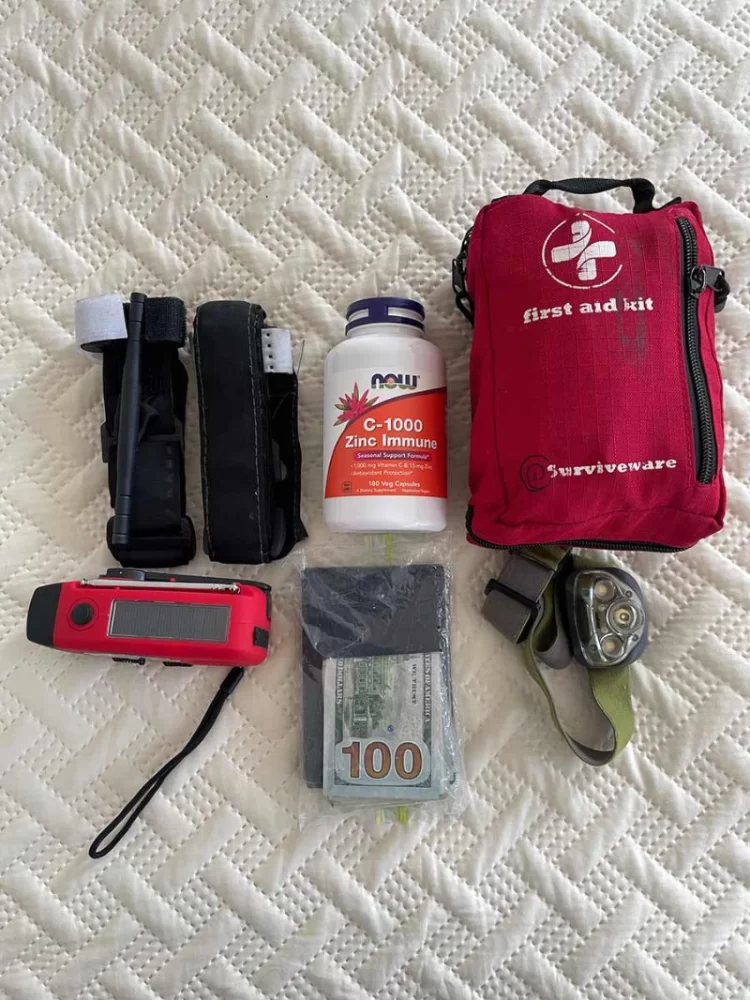
Accidents happen, and it’s important to be prepared. A small, portable first aid kit with bandages, antiseptic wipes, pain relievers, and other essentials is something I never leave behind. On my first hike, I slipped and scraped my knee, and I was so glad I had a first aid kit with me. It’s always better to be over-prepared than under-prepared when it comes to safety.
4. Let Someone Know Your Plans
Before heading out, I always let someone know where I’m going and when I plan to return. This simple step can make a huge difference in case of an emergency. On my first camping trip, I made sure to tell a friend my planned route and estimated return time. If anything had gone wrong, they would have known where to find me or when to start looking.
Planning Your First Trip: The Essential Steps
Once you have your gear and know the safety basics, it’s time to plan your first trip! Here’s a step-by-step guide to planning your adventure:
1. Choose Your Destination
When planning your first trip, it’s best to choose a destination that matches your skill level. If you’re a beginner, start with easy trails or a campsite that’s accessible by car. I recommend national parks or nature reserves that offer well-maintained paths and reliable facilities. My first trip was to a local state park, and it was the perfect balance of adventure and comfort.
2. Plan Your Itinerary
As a beginner, I recommend planning a simple itinerary, especially for your first trip. Allow yourself plenty of time for rest and breaks. On my first hiking trip, I scheduled extra time for each section of the trail to ensure I wasn’t rushed. It gave me the flexibility to enjoy the scenery without worrying about finishing too quickly.
3. Check the Weather
Weather conditions can change quickly, so always check the forecast before heading out. When I went on my first camping trip, I wasn’t prepared for a sudden rainstorm, and it made the experience much less enjoyable. Nowadays, I always check the weather forecast multiple times before a trip and adjust my packing accordingly. It’s crucial for ensuring your safety and comfort during your adventure.
4. Pack Light, but Pack Right
Overpacking can lead to unnecessary weight, but forgetting essential items can ruin your trip. I learned to pack strategically—taking only what I needed for the trip while making sure I didn’t forget anything important. A good rule of thumb is to pack light but make sure you have all your essentials, like your first aid kit, water, and extra layers.
My First Trip: A Learning Experience
I’ll never forget my first camping trip, which was a true learning experience. I was excited but nervous, and I made several mistakes along the way. I forgot to pack a rain jacket, I overestimated my stamina, and I learned how essential it is to take breaks. But, despite the challenges, it was one of the most rewarding experiences. I came away with valuable knowledge and a deep love for outdoor adventures. If you're planning your first trip, know that you’ll make mistakes, but it’s all part of the journey. You’ll learn, grow, and have fun along the way!
If you're ready to start your first outdoor adventure, consider checking out Pine Cliff Resort for great options on accommodations, gear, and expert advice for your trip.
Silver Maple Trailer PARK
129 Circle Rd, Broadalbin, NY 12025, USA
Visit Location PageMaple Grove RV Resort
12417 Hwy 99, Everett, WA 98204, USA
Visit Location Page