
Learn how to camp in a group without stress. Discover tips for stress-free group camping, from planning to organization, and how to make your group camping trip enjoyable. Explore great camping destinations like Pine Cliff Resort for your next adventure.
- 1. Planning Your Group Camping Trip
- 2. Organizing Camping Gear and Supplies
- 3. Creating a Camping Schedule
- 4. Managing Group Dynamics While Camping
- 5. How to Maintain a Stress-Free Camping Experience
1. Planning Your Group Camping Trip
Camping with a group can be one of the most rewarding experiences, but it can also come with its share of challenges. The key to a successful and stress-free group camping trip lies in the planning phase. Having a solid plan in place before you even hit the trail or campsite can help avoid most issues that may arise. Start by deciding on a location that suits the needs of everyone in the group. Some members might prefer a more remote site with a bit of a hike, while others may want a more accessible location with amenities like showers and bathrooms. Sites like Pine Cliff Resort offer a great balance of both wilderness and comfort, making it an ideal choice for groups. Whether you’re planning a short weekend getaway or a longer trip, make sure the location works for everyone. Next, determine the dates and how long you’ll stay. The earlier you start planning, the better chance you have of securing a great campsite, especially if you’re camping in popular areas. Consider the weather during the chosen time and be prepared for all conditions.2. Organizing Camping Gear and Supplies
Once the location and dates are set, the next step is organizing camping gear and supplies. This can be the most overwhelming part of group camping, especially when there are multiple people involved. The secret to avoiding chaos is dividing the gear and assigning responsibilities early on.2.1. Group Gear vs. Personal Gear
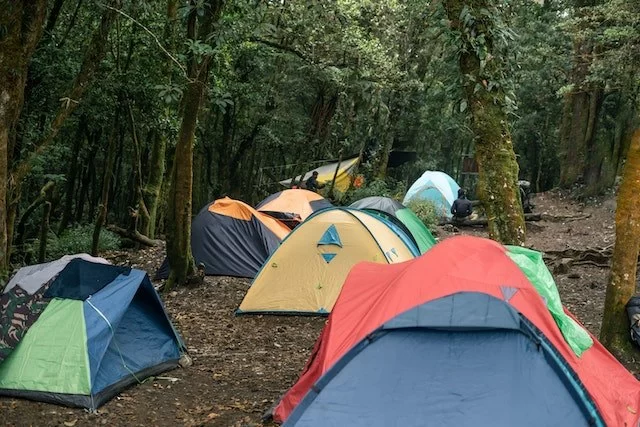
When camping as a group, it’s important to differentiate between group gear and personal gear. Group gear includes larger items that everyone will use, such as tents, cooking equipment, coolers, and a first aid kit. Personal gear consists of items like sleeping bags, clothes, and personal hygiene products.2.2. Creating a Packing List
Create a detailed packing list for the entire group. This will help ensure that no one forgets something essential. Assign different tasks to different group members, such as one person bringing the stove and another bringing the cooking utensils. Using shared online documents or apps like Google Docs can help everyone keep track of their responsibilities.3. Creating a Camping Schedule
Having a rough schedule in place can help keep things organized and ensure that everyone knows what to expect. It doesn’t need to be overly detailed, but a general timeline can make the trip run smoothly.3.1. Setting Activity Times
Decide on the best times for activities such as hikes, meals, and relaxation. For example, you might want to schedule a morning hike to watch the sunrise or an evening campfire. Make sure the schedule allows for flexibility, especially if someone needs extra time for a particular task or rest.3.2. Meal Planning
Meal planning can make or break a camping trip. If you plan to cook together, creating a shared meal schedule is a good idea. Break down the meals into easy-to-make dishes that don’t require too many ingredients or cooking utensils. You can also assign meals to different people to distribute the workload. One group member can make breakfast, while others can handle dinner or lunch.4. Managing Group Dynamics While Camping
Camping with a group means navigating different personalities and preferences. While some people might want to hike all day, others might prefer to relax at the campsite. The key is to be flexible and respectful of each other’s boundaries.4.1. Clear Communication
Before the trip, have an open discussion with your group about expectations and preferences. Communication is essential in ensuring that everyone is on the same page. Discuss everything from meal preferences to hiking pace and sleeping arrangements.4.2. Flexibility and Compromise
Not everyone will have the same idea of what constitutes a good camping trip, so being flexible is key. Some people might want to relax and enjoy nature while others are eager to hike and explore. It’s essential to compromise and be willing to adjust plans when necessary. Create space for everyone to enjoy the experience in their own way.5. How to Maintain a Stress-Free Camping Experience
The ultimate goal of group camping is to enjoy each other’s company while immersing yourself in nature. To maintain a stress-free experience, keep a few practical tips in mind:5.1. Stay Organized
The more organized your camping trip is, the less likely stress will arise. Stick to your packing list, schedule, and meal plans. Keeping everything well-organized, from gear to food, will make the entire experience more enjoyable and less stressful for everyone involved.5.2. Embrace Flexibility
While a schedule is important, allow for spontaneity. Some of the best camping experiences happen when plans change unexpectedly. A sudden rainstorm can turn into a cozy afternoon under the tent, or an unplanned detour during a hike can lead to an incredible view. Be open to going with the flow.5.3. Enjoy the Moment
Most importantly, take time to enjoy the present. Whether it’s roasting marshmallows around a campfire or stargazing late at night, remember that the experience is about bonding with friends and reconnecting with nature. Stress tends to fade when you’re fully engaged in the moment. If you're looking for a great place to camp with your group, consider Pine Cliff Resort for its fantastic amenities, comfortable surroundings, and scenic beauty, making it the perfect choice for a stress-free camping getaway.
📍
Discover Location
Sturgis Hideaway
1335 Ballpark Rd, Sturgis, SD 57785, USA
Visit Location Page
✨
Discover Location
Shadylake Campground
11506 Township Rd 101, Findlay, OH 45840, USA
Visit Location Page