
Learn weather and campfire safety tips and how to keep food safe from bears while camping. Discover expert advice, real experiences, and practical strategies for safe camping in bear country.
- 1 - Understanding-bear-country-and-why-food-safety-matters
- 2 - Weather-awareness-and-campsite-preparation
- 3 - Practical-methods-to-keep-food-safe-from-bears
- 4 - Campfire-safety-tips-for-campers
- 5 - A-real-camping-experience-with-bear-safety
- 6 - Expert-outdoor-advice-for-safe-bear-country-camping
1. Understanding Bear Country and Why Food Safety Matters
Anyone who spends enough time camping in North America will eventually hear stories about bears wandering through campsites. For many new campers, the idea can feel intimidating. However, experienced outdoor travelers understand that most bear encounters are preventable when proper precautions are taken.
Learning how to keep food safe from bears while camping is one of the most important skills for anyone exploring forests, national parks, or mountain regions in the United States and Canada. Bears are naturally curious animals with an incredibly strong sense of smell. They can detect food odors from miles away, which means even small mistakes in food storage can attract them to campsites.
I remember my first trip camping in bear country during a summer trip in Montana. Our group arrived at a beautiful forest campsite surrounded by tall pines and a quiet river. Before setting up tents, the park ranger explained that most bear incidents happen because campers leave food out overnight. That simple advice changed how I approached camping safety.
2. Weather Awareness and Campsite Preparation
While bear safety often gets the most attention, weather and campsite preparation also play a major role in safe camping. Weather conditions influence how smells travel, how fires behave, and even how wildlife moves through an area.
2.1 Wind and Food Odors
Wind can carry food smells across long distances. When cooking at a campsite, it is important to consider the wind direction and avoid leaving food scraps or packaging exposed.
Strong winds may spread food scents farther than expected, which can unintentionally attract animals.
2.2 Rain and Storage Protection
Rainstorms can damage poorly stored food containers or coolers. Waterproof storage systems and sealed containers help protect food while also preventing odors from escaping.
Many experienced campers recommend double-sealing food inside odor-resistant bags.
2.3 Smart Campsite Layout
Outdoor experts often recommend separating your campsite into three areas: sleeping, cooking, and food storage. This approach reduces the chance that wildlife will associate your sleeping area with food smells.
3. Practical Methods to Keep Food Safe from Bears
There are several proven methods to keep food safe from bears while camping. Most national parks recommend specific strategies depending on the environment and local bear populations.
3.1 Bear-Proof Containers
One of the most reliable solutions is using certified bear-resistant containers. These hard-sided containers are designed to prevent bears from accessing food even if they manage to reach it.
Many national parks require these containers for backcountry camping.
3.2 Hanging Food Properly
Another classic technique is hanging food from a tree branch. The food bag should be suspended at least 10 to 15 feet above the ground and several feet away from the tree trunk.
This method prevents bears from reaching the bag and keeps food out of their line of access.
3.3 Bear Lockers at Campsites
Many established campsites provide metal bear lockers specifically designed for safe food storage. These lockers are heavy-duty containers that prevent animals from accessing stored items.
Using these lockers whenever available is one of the simplest ways to keep food safe from bears while camping.
4. Campfire Safety Tips for Campers
Alongside food storage, campfire safety is another critical element of responsible camping. Improperly managed campfires can damage ecosystems, cause wildfires, and create unsafe conditions for other campers.
4.1 Build Fires Only in Designated Areas
Many campsites provide fire rings or designated fire pits. These areas are specifically designed to contain flames and prevent them from spreading.
Building fires outside these areas increases the risk of uncontrolled flames.
4.2 Monitor Weather Conditions
Dry conditions and strong winds significantly increase fire risks. During high-risk weather periods, many parks restrict or ban open fires.
Checking park regulations before starting a fire helps prevent accidents.
4.3 Fully Extinguish Campfires
Before leaving a campsite or going to sleep, campfires should be completely extinguished with water and stirred until the ashes are cool to the touch.
Even small embers can reignite if left unattended.
5. A Real Camping Experience With Bear Safety
One camping experience still stands out in my memory because it demonstrated how quickly bears can appear when food safety rules are ignored.
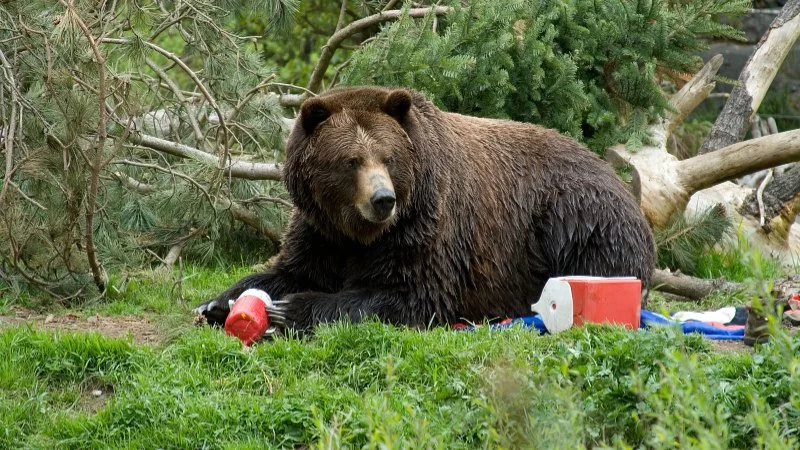
While camping near Yellowstone National Park, our group noticed another campsite nearby that had left a cooler and food wrappers on a picnic table overnight. Early the next morning, a black bear wandered into the campground and began investigating the area.
Park rangers quickly arrived and safely scared the bear away, but the situation could have been much worse. That moment reminded everyone in the campground how important proper food storage is.
Since then, I have always taken extra care to store food properly and clean cooking areas thoroughly before going to sleep.
6. Expert Outdoor Advice for Safe Bear Country Camping
Outdoor experts emphasize that safe camping practices protect both people and wildlife. Bears that become accustomed to human food often lose their natural fear of humans, which can lead to dangerous situations for both sides.
6.1 Keep Campsites Clean
Always dispose of trash properly and avoid leaving food scraps around the campsite. Even small crumbs can attract animals.
6.2 Store All Scented Items
Items such as toothpaste, deodorant, and cooking oils should be stored with food supplies because their scents can attract wildlife.
6.3 Stay Informed About Local Wildlife
Before heading into bear country, check local park guidelines and wildlife safety recommendations. Each region may have specific rules for storing food and managing campsites.
Campers planning outdoor trips and looking for helpful guides, campground resources, and gear recommendations can explore information through Pine Cliff Resort. Many campers find it helpful when preparing for safe adventures in bear country.
Understanding weather awareness, campfire safety, and how to keep food safe from bears while camping allows outdoor travelers to enjoy nature responsibly while protecting both themselves and the wildlife that share these beautiful landscapes.
Back Country Camp#5
Tennessee 37882, USA
Visit Location PageOsage Cove Campground
7460, 9400 Lake Rd, Ponca City, OK 74604, USA
Visit Location Page