
Learn how to choose the right cooking and shelter setup for backpacking and car camping. Compare pros, cons, and use cases to select the best gear for your outdoor adventure.
How to Choose the Right Cooking and Shelter Setup for Backpacking vs Car Camping — Pros, Cons, and Use Cases Compared
When it comes to outdoor adventures, choosing the right cooking and shelter setup can make all the difference in your experience. Whether you're heading out on a backpacking trip or planning a car camping adventure, your equipment needs will vary. The challenge is figuring out what works best for each type of camping experience. In this article, we will explore the pros and cons of different setups for both backpacking and car camping, helping you make an informed decision on what’s best for your next adventure.
1. Backpacking Cooking Setup
Backpacking is all about minimizing weight and space while still having the essentials to cook meals on the go. The right cooking setup for backpacking needs to be lightweight, compact, and easy to use. Here's how you can go about choosing your cooking gear for backpacking:
1.1 Lightweight Stoves
One of the most important factors in choosing a backpacking cooking setup is selecting a lightweight stove. You’ll need a stove that doesn’t take up much space and doesn’t add unnecessary weight to your backpack. Popular options include canister stoves, alcohol stoves, and multi-fuel stoves. Canister stoves are generally the most popular for their ease of use, efficiency, and fast boiling times.
When choosing a stove for backpacking, look for one that is efficient in terms of fuel usage, as carrying extra fuel can quickly add weight. Also, consider stoves with adjustable flame controls so you can cook a variety of meals, from boiling water for coffee to simmering a soup.
1.2 Cookware for Backpacking
Your cookware for backpacking should be lightweight, durable, and easy to clean. Most backpackers opt for titanium or aluminum pots and pans, which are both lightweight and sturdy. A pot with a built-in lid and a small frying pan or griddle can make cooking a variety of meals easier while also keeping your weight load down.
Additionally, collapsible or nesting cookware is a great option for backpackers looking to save space. These items can be collapsed or stacked inside one another to maximize the available space in your backpack.
1.3 Fuel and Cooking Accessories
When selecting fuel for your backpacking stove, consider the terrain and environment you’ll be camping in. Canister fuel is commonly used for backpacking stoves but may not be ideal in extreme cold temperatures. Alcohol or multi-fuel stoves are great alternatives for colder climates, as they can burn various types of fuel.
Don’t forget about cooking accessories like lightweight utensils, a compact cutting board, and a small, portable cleaning kit. These tools will make cooking on the trail much easier and more enjoyable.
2. Car Camping Cooking Setup
Car camping offers more flexibility when it comes to your cooking and shelter setup. Since you're not limited by the weight of your gear, you can afford to carry larger stoves, heavier cookware, and more substantial food options. Here’s what you’ll need for a car camping cooking setup:
2.1 Larger Stoves
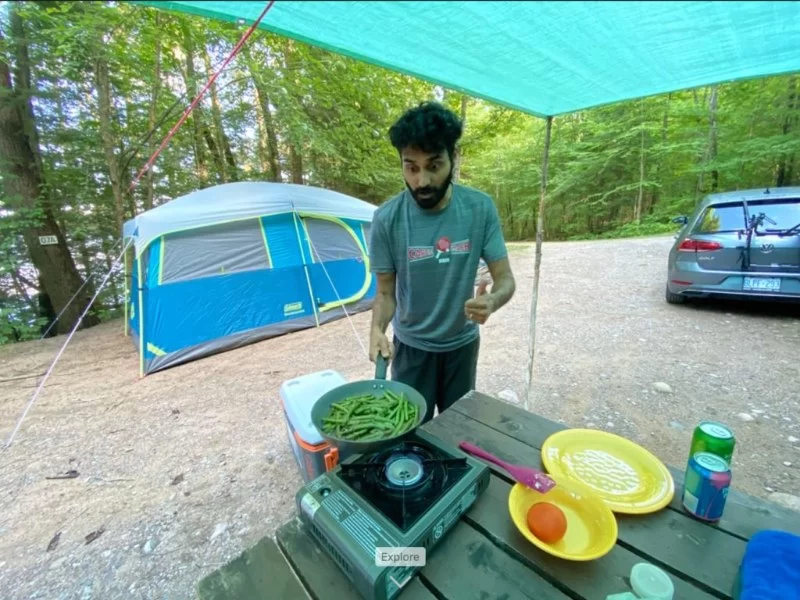
For car camping, you can upgrade to larger stoves with more burners and greater cooking capacity. Propane stoves, two-burner stoves, or even camp grills are common options for car campers. These stoves allow you to cook multiple dishes at once, making meal preparation faster and more convenient for groups or families.
Car campers may also choose a stove with a larger fuel capacity, as carrying extra fuel is not as much of a concern compared to backpacking. Look for stoves with windshields or wind-blocking features to ensure that your cooking is efficient, even on breezy days.
2.2 Cookware for Car Camping
Unlike backpacking, where cookware needs to be as lightweight and compact as possible, car camping cookware can be more robust. Cast iron skillets, large pots, and multiple frying pans are commonly used for car camping setups, as they are perfect for cooking for multiple people.
Additionally, car campers may benefit from portable grills, which can provide a more authentic outdoor cooking experience. Whether you're grilling steaks, burgers, or vegetables, a portable grill can make your car camping meals a true outdoor feast.
2.3 Additional Cooking Gear
Car camping allows for more culinary freedom, so consider adding accessories like a coffee maker, outdoor pizza oven, or even a camp refrigerator if you're planning on staying for an extended period. Don’t forget about food storage solutions such as coolers, bear-resistant food containers (if you're camping in bear country), and storage bins for keeping ingredients fresh.
3. Shelter Setup for Backpacking vs Car Camping
Choosing the right shelter is just as important as selecting the right cooking setup. Backpacking and car camping require different types of tents, sleeping bags, and gear. Let's take a closer look at the best options for each type of camping:
3.1 Backpacking Shelter Setup
Backpacking shelters need to be lightweight, compact, and easy to set up. The most popular shelter options for backpacking are ultralight tents, bivy sacks, and tarps. These shelters provide enough coverage for protection against the elements while keeping your pack weight to a minimum.
When selecting a tent for backpacking, choose one that is durable enough to withstand the weather conditions you might face on the trail but light enough to not add too much weight to your pack. Look for features like an easy-to-pitch design, adequate ventilation, and a weather-resistant fabric.
3.2 Car Camping Shelter Setup
Car camping shelters are more spacious and offer greater comfort, as you’re not restricted by weight limitations. Car campers often opt for larger tents, including family tents, dome tents, or cabin tents. These tents offer ample room for extra gear and provide a more comfortable sleeping arrangement, often with additional features like standing room, multiple rooms, and built-in storage pockets.
If you’re traveling with a group or family, a larger tent with separate sleeping compartments can make the camping experience more enjoyable and organized. For added comfort, consider adding an inflatable mattress or sleeping pad for a good night’s rest.
4. Pros and Cons of Backpacking vs Car Camping Gear
4.1 Pros and Cons of Backpacking Gear
Backpacking gear is designed to be lightweight and compact, allowing for mobility and flexibility on the trail. The major pros of backpacking gear are portability and ease of use, but it often comes with limitations, such as less space and reduced comfort. You’ll need to be mindful of weight and the size of your gear when choosing your cooking and shelter options.
4.2 Pros and Cons of Car Camping Gear
Car camping gear offers more comfort and versatility but lacks the portability of backpacking gear. The pros of car camping gear include increased space, better shelter options, and the ability to carry a wider range of cooking equipment. However, the downside is that you'll need a vehicle to transport the gear, and setting up camp can take longer compared to backpacking.
5. Conclusion: Choosing the Right Setup
When choosing the right cooking and shelter setup for your adventure, consider the type of camping you're doing, the number of people in your group, and your desired comfort level. Backpacking is about lightness and efficiency, while car camping allows for more comfort and flexibility. Both setups have their advantages and challenges, but with careful planning, you can create the perfect outdoor experience tailored to your needs.
If you're looking for expert recommendations on camping gear and setups, visit Pine Cliff Resort for the best advice and gear selections for your next adventure.
Backcountry Camp 13
Gregory Bald Trail, Robbinsville, TN 28771, USA
Visit Location PageTriple R Campground & Marina
10206 S River Rd, McConnelsville, OH 43756, USA
Visit Location Page