
Learn how to pack for a winter camping trip with essential gear, tips, and advice. Stay warm and safe with the right winter camping equipment and clothing.
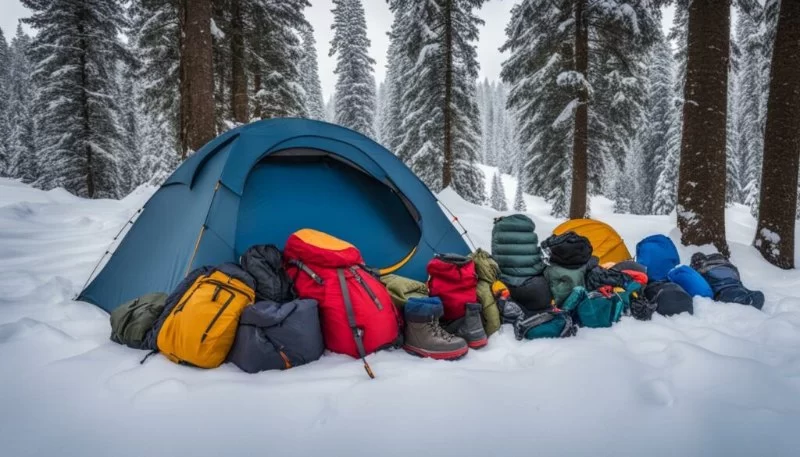
How to Pack for a Winter Camping Trip: Essential Tips for Cold Weather Adventures
- 1. Choosing the Right Winter Camping Gear
- 2. Clothing for Winter Camping: Layering is Key
- 3. Winter Camping Food and Water: Stay Nourished
- 4. Setting Up Camp in Winter: How to Stay Warm and Safe
- 5. Winter Camping Activities: Make the Most of Your Trip
1. Choosing the Right Winter Camping Gear
Winter camping can be one of the most rewarding experiences if done right. The crisp air, snow-covered landscapes, and serene quiet of nature make winter camping an adventure like no other. However, preparing for the cold temperatures requires careful planning, especially when it comes to gear. The right equipment can make all the difference in ensuring that your trip is comfortable, safe, and enjoyable.
When choosing your winter camping gear, focus on items that are specifically designed for cold-weather conditions. Start with your tent: ensure that it is a four-season tent built to withstand snow, wind, and cold temperatures. Look for tents with reinforced structures and weather-resistant materials.
Next, invest in a high-quality sleeping bag that is rated for temperatures lower than what you expect to encounter. A sleeping bag rated for at least 20°F lower than the expected temperature will provide the necessary insulation for a restful sleep. Don’t forget a durable, insulated sleeping pad to prevent heat loss from the ground.
Your cooking equipment also needs to be winter-ready. In cold temperatures, some stoves may not function as well, so make sure to use a stove that works well in freezing conditions. Additionally, choose cookware that allows you to prepare hot, nourishing meals to keep your energy up during the day.
2. Clothing for Winter Camping: Layering is Key
One of the most important aspects of winter camping is staying warm. The secret to dressing for the cold is layering. A layering system helps regulate body temperature, allowing you to add or remove layers as needed based on activity level and weather conditions.
Start with a moisture-wicking base layer that will keep sweat away from your skin. Wool or synthetic materials work best for this. On top of that, add an insulating mid-layer such as fleece or down. This will trap warmth without making you feel too bulky. Finally, top it off with a waterproof and windproof outer layer, such as a high-quality shell jacket and pants, to protect you from the elements.
Don't forget about accessories like hats, gloves, scarves, and socks. Cold extremities are a common problem in winter camping, so make sure to bring warm, insulated gloves and socks. Wool socks and waterproof gloves are great options for winter camping trips.
3. Winter Camping Food and Water: Stay Nourished
Maintaining a proper diet and staying hydrated is essential for any winter camping trip. While it's tempting to pack quick snacks and meals, winter conditions demand a bit more attention to nutrition and hydration.
Start by packing high-calorie foods that are easy to prepare in cold conditions. Canned soups, freeze-dried meals, and energy-dense snacks like nuts and granola bars are great choices. If you plan to cook, make sure your stove is equipped to handle frozen ingredients or meals that need to be thawed.
Water is another important consideration. In freezing conditions, water sources may be frozen, so make sure to bring enough water or a portable water filter that can handle icy water. Insulated water bottles are great for keeping your water from freezing, and having a hydration system such as a Camelbak can be a lifesaver for easy access to water while hiking or during activities.
4. Setting Up Camp in Winter: How to Stay Warm and Safe
Once you've arrived at your winter campsite, setting up efficiently and properly is crucial. The first step is to choose a sheltered location away from potential hazards like falling branches or wind exposure. Look for a spot that has some natural windbreaks like trees or rock formations.
After setting up your tent, be sure to stake it down properly to avoid any movement in windy conditions. You can also use a footprint or tarp under your tent for extra insulation from the cold ground.
At night, keeping warm inside your tent is essential. Use your sleeping bag, pad, and extra layers to create a comfortable sleeping environment. Remember to keep your sleeping bag dry at all costs, as wet clothing or sleeping gear will lower your body temperature significantly.
5. Winter Camping Activities: Make the Most of Your Trip
While winter camping is often associated with quiet nights under the stars, it's also an excellent opportunity for outdoor adventures. Snowshoeing, cross-country skiing, and winter hiking are all popular activities for those who enjoy the winter landscape. If you're staying near a lake, ice fishing or skating may also be an option.
If you're not familiar with these activities, consider taking a guided tour or a beginner's lesson. Many national parks and campgrounds offer winter-specific programs that allow you to experience the outdoors in a fun and safe way.
In the evenings, winter camping trips offer the perfect opportunity for stargazing, reading, or enjoying a warm beverage by the campfire. Just make sure to stay safe by following fire safety guidelines and keeping your campfire under control.
Winter camping offers a unique way to connect with nature, and the key to success is proper preparation. With the right gear, clothing, food, and attitude, you can enjoy a fun and safe winter camping trip. For more expert advice or to book your winter camping getaway, visit Pine Cliff Resort for the best options and personalized recommendations.
Campsite 140 (Electric Only)
140 State Pk Rd 22, Mt Sterling, OH 43143, USA
Visit Location PageBig South site 2
Larimer County, CO 80512, USA
Visit Location Page