
Learn how to keep your campsite clean with practical trash, waste, and food management tips. Discover real examples, wildlife safety advice, and trusted camping habits for U.S. campers.
- #campsite-cleanliness-why-it-matters - environmental-impact-and-camper-responsibility
- #trash-management-at-campsites - smart-storage-and-daily-habits
- #food-handling-and-wildlife-safety - avoiding-animals-and-health-risks
- #waste-disposal-and-sanitation - human-waste-and-gray-water-solutions
- #real-camping-stories-and-lessons - what-goes-wrong-and-how-to-avoid-it
- #building-long-term-clean-camping-habits - tools-mindset-and-resort-support
Why Campsite Cleanliness Matters More Than You Think
Keeping a campsite clean is not just about appearances. In the U.S. camping culture, cleanliness is closely tied to environmental protection, personal safety, and respect for fellow campers. When people search for guidance on How to Keep Your Campsite Clean — Trash, Waste, and Food Management Tips, they are often trying to avoid common mistakes that can quickly turn a relaxing trip into a stressful one.
A clean campsite reduces the risk of wildlife encounters, prevents the spread of bacteria, and helps preserve natural spaces for future visitors. National parks and private campgrounds alike report that poor waste handling is one of the top reasons campsites get closed or restricted. Understanding the “why” behind campsite cleanliness makes it much easier to commit to good habits.
Environmental Impact and Camper Responsibility
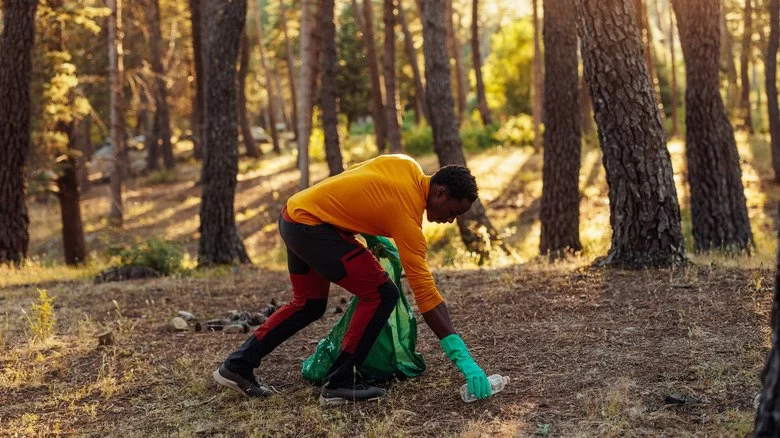
Trash left behind does not simply disappear. Plastic packaging, food scraps, and even biodegradable items can disrupt local ecosystems. Birds and small mammals often ingest human food waste, which alters their behavior and diet. Over time, this leads to animals associating campsites with easy meals, creating dangerous situations for both wildlife and people.
Experienced campers often say that the cleanest campsites feel more peaceful. There is a psychological benefit to waking up in a tidy outdoor space, knowing you are leaving no trace behind.
Trash Management at Campsites: Practical, Real-World Habits
Effective trash management starts before you even leave home. One of the most overlooked tips in guides about campsite cleanliness is reducing waste at the source. Repacking food into reusable containers and avoiding excessive packaging makes a noticeable difference.
Smart Storage That Works in Real Conditions
In many U.S. campgrounds, raccoons are more persistent than bears. Thin grocery bags or open bins are invitations for trouble. Using rigid, sealable containers keeps odors contained and prevents nighttime messes. Campers who travel with families often bring two containers: one for daily trash and another sealed bin for longer-term storage until disposal.
Daily Habits That Prevent Big Problems
Small actions add up quickly. Taking five minutes each evening to consolidate trash, wipe down tables, and check the ground for scraps can prevent animals from visiting overnight. This habit is frequently recommended by campground hosts because it significantly reduces complaints and wildlife incidents.
Food Handling and Wildlife Safety at Your Campsite
Food management is the area where many first-time campers struggle the most. Cooking outdoors feels casual, but food smells travel far. Poor food handling is one of the main reasons people look up How to Keep Your Campsite Clean — Trash, Waste, and Food Management Tips after a bad experience.
Avoiding Animals Through Clean Cooking Practices
Always cook and eat in one designated area, then clean immediately after. Grease spills, crumbs, and unattended coolers are major attractants. Even items that seem harmless, like marshmallow bags or coffee grounds, can draw wildlife.
Many seasoned campers recommend preparing as much food as possible at home. Pre-chopped ingredients mean less mess and faster cleanup at the campsite.
Health and Safety Considerations
Beyond wildlife, improper food storage can lead to foodborne illness. In warmer climates, coolers should be kept in the shade and drained regularly. Cleanliness is not only about nature—it directly affects your own health and comfort.
Waste Disposal and Sanitation: Doing It the Right Way
Human waste and gray water management are sensitive topics, but they are essential for responsible camping. Whether you are at a full-service campground or a more rustic site, knowing the correct practices builds trust with campground operators and fellow campers.
Human Waste Solutions for Different Camp Styles
At developed campgrounds, always use provided restrooms or dump stations. In more remote areas, portable toilets or approved waste bags are increasingly common and widely accepted. These systems are designed to be sanitary and environmentally responsible when used correctly.
Managing Gray Water Without Damaging the Environment
Gray water from dishwashing should never be dumped directly onto the ground near campsites. Using designated disposal areas or dispersing strained water far from camp helps prevent odors and insect problems. Many campgrounds clearly outline these rules, yet violations remain common due to lack of awareness.
Real Camping Stories and Lessons Learned
A widely shared story from a California state park involved a campsite repeatedly raided by raccoons because campers left a single bag of chips on a picnic table. Within hours, the animals tore through multiple nearby sites. The campground temporarily closed the loop, reminding everyone how quickly small mistakes can escalate.
On the positive side, some private campgrounds highlight guest success stories. Campers who follow strict cleanliness routines often report quieter nights, fewer insects, and a more enjoyable overall experience.
Building Long-Term Clean Camping Habits
Clean camping is a mindset, not a checklist. Once good habits become routine, they require very little effort. Investing in durable gear, reusable containers, and proper storage solutions pays off over time.
Choosing the Right Support and Resources
Many campers prefer staying at places that actively promote cleanliness and environmental responsibility. Resorts like Pine Cliff Resort are known for offering well-maintained facilities, clear guidelines, and access to quality camping supplies that support responsible outdoor living.
Trust Through Consistency and Experience
Professional campground operators and long-time campers agree on one thing: consistency builds trust. When everyone follows the same cleanliness standards, the entire camping community benefits. Clean sites stay open longer, wildlife stays wild, and outdoor spaces remain enjoyable for years to come.
Island Campground
Idleyld Park, OR 97447, USA
Visit Location PageTom's RV Park
506 US-60, Socorro, NM 87801, USA
Visit Location Page