
Learn how to stay comfortable in your tent all night with tips on choosing the right gear, setting up your tent, and dressing for warmth. Discover ways to improve your camping experience.
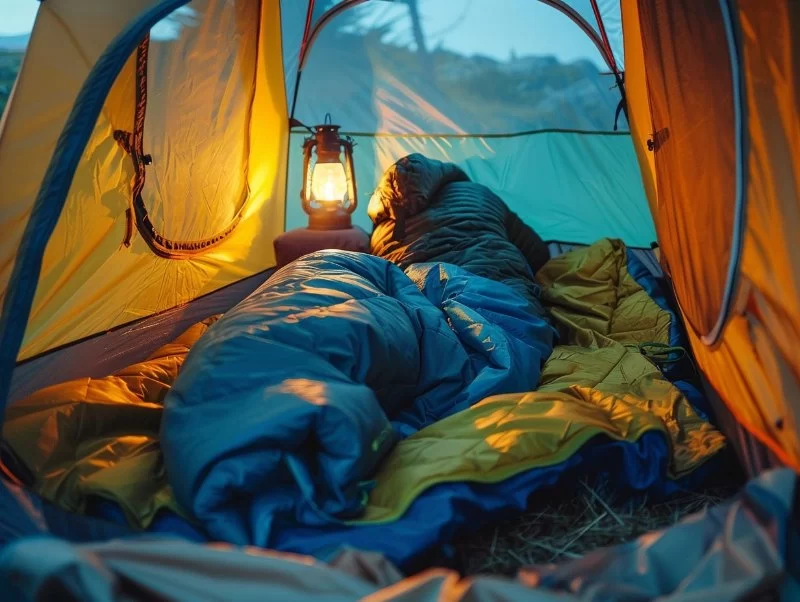
How to Stay Comfortable in Your Tent All Night: Essential Tips for a Better Camping Experience
- 1. Why Comfort Matters When Camping
- 2. Choosing the Right Tent for Comfort
- 3. How to Insulate Your Tent for Maximum Comfort
- 4. The Best Sleeping Gear for a Comfortable Night
- 5. What to Wear for Comfort While Sleeping in a Tent
- 6. Real-Life Case Study: Staying Comfortable on a Multi-Day Camping Trip
- 7. How to Book the Best Campsites and Facilities for Comfort
1. Why Comfort Matters When Camping
When it comes to camping, many people focus on the adventure and the beauty of nature. But one factor that can make or break your camping trip is comfort. Getting a good night's sleep in a tent is essential to feeling energized and enjoying your activities the next day. Without the right preparation, you may find yourself tossing and turning all night, uncomfortable from the cold or uneven ground.
Comfort is especially important for extended camping trips. A restless night can quickly ruin your mood and your energy levels for the rest of your trip. That’s why it’s important to consider factors like temperature regulation, the terrain, and the right gear to help you sleep soundly in your tent. Let’s dive into the essential strategies for staying comfortable all night long in your tent.
2. Choosing the Right Tent for Comfort
Choosing the right tent is the first step toward comfort. It’s not just about finding a tent that can keep you dry during rainstorms—it's also about ensuring you have enough space to move around and that it regulates the temperature well. A poorly ventilated or cramped tent can lead to a sweaty and uncomfortable night.
2.1 Size Matters
One of the most important aspects of comfort is choosing the right size tent. A tent that’s too small can make you feel claustrophobic, especially if you’re sharing it with others. On the other hand, an overly large tent might be harder to heat effectively during colder nights. If you're camping solo, a two-person tent might be ideal, providing enough space to stretch out but not too much empty space to cool down your body heat. For families, a larger tent with dividers can offer comfort and privacy.
2.2 Ventilation and Weather Protection
Proper ventilation in your tent is essential to prevent condensation and overheating. A tent with multiple ventilation windows and mesh panels can help regulate air circulation. Look for a tent with a weather-resistant design that can also handle wind and rain, which ensures comfort in any weather conditions.
3. How to Insulate Your Tent for Maximum Comfort
Once you have the right tent, it's time to focus on insulation. At night, the temperature can drop dramatically, especially if you're camping in colder regions or during the off-season. Proper insulation can make all the difference between a cozy sleep and a shivering one.
3.1 Using a Tent Footprint or Ground Sheet
A tent footprint or groundsheet is an essential accessory that helps protect your tent from moisture and provides an extra layer of insulation between you and the cold ground. It also prevents the floor of your tent from wearing out too quickly.
3.2 Adding Extra Layers
If you’re camping in colder climates, consider adding extra layers inside the tent, such as thermal blankets or a sleeping pad with better insulation. These can keep your body warmth inside and prevent the cold from seeping through the tent floor.
4. The Best Sleeping Gear for a Comfortable Night
Your sleeping gear plays a critical role in ensuring comfort in your tent. A good sleeping bag, mattress, and pillow are key components that can turn your camping experience from uncomfortable to relaxing.
4.1 Sleeping Bags
The right sleeping bag can make a huge difference. Make sure to choose one that’s appropriate for the weather conditions. For colder nights, a sleeping bag rated for lower temperatures will keep you warm and snug. For warmer nights, a lighter sleeping bag will help you stay cool without sweating excessively.
4.2 Sleeping Pads and Air Mattresses
Sleeping pads or air mattresses provide cushioning from the hard ground and help to insulate you from the cold. A thick foam pad can help you sleep comfortably, while an inflatable air mattress offers more support if you prefer a firmer surface.
4.3 Pillows
A pillow is an often-overlooked comfort item that can make a big difference. You can use a compact travel pillow or bring your favorite pillow from home. For extra comfort, consider a pillow that’s designed specifically for camping, offering better support for your neck and head.
5. What to Wear for Comfort While Sleeping in a Tent
What you wear to sleep in your tent also affects how comfortable you'll be overnight. It’s essential to dress in layers, as temperatures can vary throughout the night.
5.1 Base Layers
Start with a moisture-wicking base layer to keep sweat off your body. This is especially important in colder weather when sweat can cause you to feel chilled. Look for materials like merino wool or synthetic fabrics that will keep you warm without getting damp.
5.2 Insulating Layers
If it’s cold outside, add an insulating layer, such as a fleece jacket or down vest, that will trap your body heat and keep you warm. Even if you're not planning to sleep in these layers, having them nearby for chilly nights is a good idea.
5.3 Warm Socks and Hats
Wool socks and a warm hat can keep your extremities warm while you sleep. These items help to regulate body heat and ensure you’re not losing warmth through your feet or head.
6. Real-Life Case Study: Staying Comfortable on a Multi-Day Camping Trip
On a recent camping trip in the Adirondacks, I experienced firsthand how staying comfortable in a tent can make a huge difference. The temperatures dropped unexpectedly, and many campers struggled with the cold. However, thanks to the proper tent insulation, a high-quality sleeping bag, and layered clothing, I stayed warm and comfortable throughout the night. I also made sure to use a sleeping pad to keep the cold from seeping up from the ground.
In contrast, a few campers without adequate insulation struggled to get rest. Their discomfort was mostly due to improper sleeping bags and lack of insulation from the cold ground. This experience reinforced the importance of investing in good camping gear to ensure comfort.
7. How to Book the Best Campsites and Facilities for Comfort
When planning a camping trip, it’s important to select a campsite with good facilities. Look for campsites that offer flat terrain, protection from wind, and amenities like restrooms and picnic tables. If you’re looking for added comfort, consider booking a campsite near a body of water, where the natural sounds can help you relax.
For those seeking a luxurious camping experience, "glamping" sites are a fantastic option. These high-end campsites offer cozy tents with real beds, heating, and even electricity. If you're after comfort but still want to experience nature, glamping might be the perfect choice.
If you're looking for the perfect campsite or additional camping gear, visit Pine Cliff Resort to explore our top recommendations for all your camping needs.
Buck Lake Group Campsite
Mims, FL 32754, USA
Visit Location PageCampfire Ranch Red Mountain Pass
615 County Rd 65, Silverton, CO 81433, USA
Visit Location Page