
Learn how to keep your campsite secure at night with practical tips on location choice, lighting, gear storage, and real-world camping experiences for safer outdoor stays.
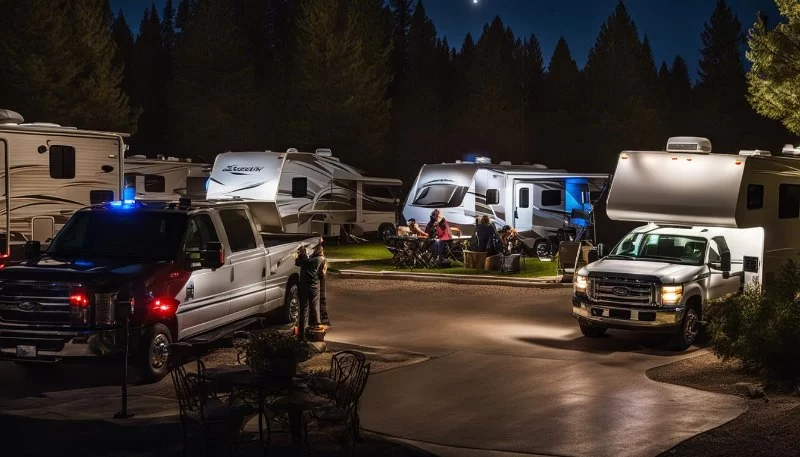
- why-nighttime-campsite-security-matters
- choosing-a-safe-campsite-location
- lighting-awareness-and-visibility-after-dark
- securing-gear-food-and-personal-items
- wildlife-human-and-environmental-risks
- real-stories-that-changed-how-i-camp
- building-a-nighttime-routine-that-works
Why Campsite Security Changes After the Sun Goes Down
The first night I truly thought about how to keep my campsite secure at night wasn’t during a storm or deep in the backcountry. It was at a quiet campground where everything felt calm. That calm can be deceptive. Darkness changes how we see, hear, and react, and it changes how others move through shared spaces as well.
Nighttime security isn’t about fear; it’s about awareness. When visibility drops, small oversights matter more. A cooler left out, a headlamp left on the ground, or a poorly chosen site can attract attention you didn’t intend.
Choosing a Campsite That Supports Nighttime Safety
1. Visibility Without Exposure
I look for campsites that offer a clear line of sight to main paths without being directly on them. Sites that are too hidden can feel isolated, while sites too close to traffic invite unnecessary attention. Balance is key.
2. Natural Barriers and Ground Conditions
Terrain matters more at night. Slight elevation helps with drainage and visibility, while natural boundaries like trees or rocks create a sense of enclosure. I avoid sites near steep drops or dense brush that limits awareness after dark.
3. Proximity to Others Without Crowding
Being within reasonable distance of other campers increases safety without sacrificing privacy. I’ve noticed that campsites with respectful spacing tend to feel safer once night falls.
Using Light to Stay Aware Without Drawing Attention
1. Strategic Lighting Over Bright Flooding
Early on, I made the mistake of over-lighting my campsite. Bright lights can attract curiosity from people and wildlife. Now I use low, warm lighting placed at key points like tent entrances and cooking areas.
2. Headlamps and Personal Visibility
Keeping a headlamp within reach is essential. If something feels off, having instant light improves reaction time. I also make sure everyone in the group knows where their light is before settling in.
3. Knowing When to Go Dark
Turning off lights before sleeping reduces attention and helps eyes adjust naturally to the environment. Darkness itself can be a security tool when used intentionally.
How I Secure My Campsite Belongings at Night
1. Keeping Gear Organized and Close
Scattered gear is easy to overlook and easier to lose. I organize items into designated areas so I know what belongs where. At night, everything not in use goes inside the tent or RV.
2. Food Storage to Prevent Unwanted Visitors
Food is one of the biggest security risks. Improper storage attracts animals, which can quickly escalate into dangerous situations. I follow strict food storage practices even if wildlife hasn’t been spotted nearby.
3. Locking Vehicles and Valuables
If I’m camping near others, I lock vehicles and store valuables out of sight. It’s a simple step that removes temptation and reduces anxiety.
Understanding Different Nighttime Risks
1. Wildlife Behavior After Dark
Many animals are more active at night. Knowing local wildlife patterns helps me anticipate behavior. Keeping a clean campsite does more for safety than any gadget.
2. Human Factors in Shared Campgrounds
Most campers are respectful, but nighttime reduces accountability. Staying aware of voices, movement, and changes in the environment helps me respond calmly if needed.
3. Weather and Environmental Changes
Temperature drops, wind shifts, and sudden storms are harder to detect at night. Securing tents, checking guy lines, and monitoring forecasts before sleeping improves overall safety.
Experiences That Taught Me to Take Night Security Seriously
1. The Unattended Cooler Lesson
On one trip, a neighboring campsite left food unsecured. Wildlife activity increased across the area, disrupting everyone’s sleep. That experience reinforced how individual choices affect group safety.
2. The Value of Staffed Campgrounds
Staying at places with attentive staff and clear guidelines makes a noticeable difference. Resorts like Pine Cliff Resort emphasize nighttime awareness and campground layout, creating an environment where security feels built-in rather than enforced.
Creating a Consistent Nighttime Security Routine
1. A Final Walk-Through Before Bed
Before turning in, I do a quick sweep of the campsite. I check food storage, lighting, and entry points. This habit takes minutes and prevents most issues.
2. Clear Communication With Campmates
Everyone should know the plan if something unexpected happens. Establishing simple signals or steps reduces confusion during nighttime disruptions.
Learning how to keep your campsite secure at night transformed how relaxed I feel outdoors. Security doesn’t mean constant vigilance; it means thoughtful preparation. When the basics are handled, nighttime becomes what it should be: quiet, restorative, and deeply connected to the outdoors.
Rogue Elk Park
27766 OR-62, Trail, OR 97541, USA
Visit Location PageClose To Adventure Camping
30030 County Rd 46AA, Villa Grove, CO 81155, USA
Visit Location Page