
Planning a long-distance camping route can be exciting yet challenging. Explore tips and advice for creating the perfect camping adventure that is both scenic and practical for a memorable trip.
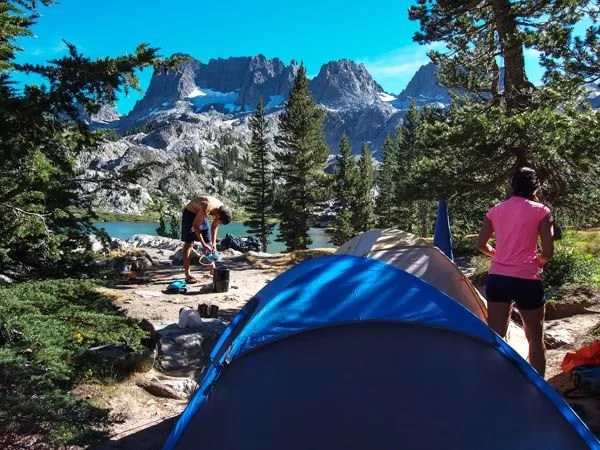
How to Plan a Long-Distance Camping Route: Tips for an Epic Adventure
long-distance camping route, planning a camping route, camping trip planning, outdoor adventure tips, long-distance camping guide, best camping routes
Planning a long-distance camping route can be exciting yet challenging. Explore tips and advice for creating the perfect camping adventure that is both scenic and practical for a memorable trip.
Understanding the Basics of a Long-Distance Camping Route
Planning a long-distance camping route involves more than just picking a destination. It’s about creating a route that balances convenience, scenery, and the challenges of the terrain. Whether you’re exploring national parks, forests, or secluded trails, planning ahead ensures your trip is safe and enjoyable. In this guide, we’ll break down essential steps to help you plan the perfect camping adventure.
1. Choose Your Camping Route Based on Your Goals
The first step in planning a long-distance camping route is identifying your goals. Are you looking for a peaceful, scenic getaway, or are you up for a more challenging adventure? Your route will vary greatly depending on whether you’re a seasoned camper or a beginner.
Scenic Routes for Leisure
If you want a relaxing experience surrounded by breathtaking landscapes, opt for routes that pass through national parks or forests known for their beauty. For example, the Pacific Crest Trail offers stunning views and diverse wildlife. You can also explore routes along famous rivers like the Columbia River Gorge or head to the Great Smoky Mountains for lush forests and panoramic mountain views.
Challenging Routes for Experienced Campers
For more experienced campers, tackling challenging trails that require technical skills and physical endurance is an excellent way to push your limits. Consider hiking parts of the Appalachian Trail or testing yourself on the Continental Divide Trail. These routes offer a rugged terrain with steep climbs and unpredictable weather, perfect for those seeking an adventurous and rewarding experience.
2. Plan Your Campsite Locations and Set Up Rest Stops
After choosing your route, it’s important to plan your campsites along the way. When selecting where to camp, take into consideration the proximity to water sources, the difficulty of the terrain, and any local regulations regarding camping. For long-distance hikes, make sure there are rest stops every few hours to prevent exhaustion and ensure you stay well-hydrated.
Finding Campsites and Amenities
Some camping areas have established campsites with basic amenities like picnic tables, restrooms, and fire pits. For more remote areas, you may need to look for primitive campsites or dispersed camping options. Popular apps like Campendium or websites like ReserveAmerica are great resources to check for campsites along your route. Always remember to reserve in advance if possible, especially in popular areas.
Resting and Refueling
For long-distance camping trips, it’s essential to plan your rest days, where you can recover and replenish your energy. Look for points along your route where you can enjoy a break or even take a zero-day off from hiking. Popular spots like Yosemite Valley in California or Zion National Park offer great places to rest and explore before heading back on the trail.
3. Research the Terrain and Weather Conditions
Knowing the terrain and weather conditions is crucial to ensure your safety during your long-distance camping trip. Check the seasonality of your chosen route and be prepared for extreme weather conditions, such as cold temperatures, rain, or snow, depending on the time of year.
Understanding the Terrain
Each trail offers unique challenges. Some may be smooth and easy, while others may require you to scale steep cliffs or navigate rocky landscapes. Research the trail difficulty level and the types of surfaces you’ll be encountering. Many trail websites provide detailed maps and descriptions of the terrain to help you prepare.
Prepare for Weather Extremes
Weather can make or break a long-distance camping trip. In some regions, sudden weather changes are common, especially in high-altitude areas. Always check weather forecasts before you embark, and make sure you have the necessary gear, like waterproof clothing, warm layers, and sun protection. Keep an eye on any storm warnings or flood risks, as these can affect your safety.
4. Pack the Right Gear for Long-Distance Camping
Proper gear is the foundation of a successful camping trip. For long-distance camping, lightweight, durable, and multifunctional gear is key. You'll need a tent, sleeping bag, and stove that are suited to your route and the type of camping you’re doing. Here's a list of essentials:
Camping Essentials
- Lightweight Tent: Choose a tent that is compact and can withstand different weather conditions.
- Portable Stove and Cooking Gear: A reliable stove, cookware, and lightweight utensils are crucial for preparing meals.
- Backpack: A sturdy, well-fitted backpack with enough room for your gear is essential for comfort.
- Water Purification System: Carry a reliable water filter to ensure you have access to clean drinking water throughout the trip.
- Emergency Kit: Pack a first aid kit, multi-tool, and emergency whistle for safety.
5. Stay Safe and Follow Leave No Trace Principles
Safety should always be a priority on a long-distance camping trip. Always carry a map or GPS device to navigate, and inform someone about your travel plans in case of emergencies. Additionally, follow Leave No Trace principles to minimize your environmental impact and ensure that the natural beauty of your route remains intact for future campers.
Leave No Trace Principles
- Pack out all trash, including food scraps.
- Leave nature undisturbed by avoiding damage to plants or wildlife.
- Use established campsites and avoid creating new fire pits.
Conclusion
Planning a long-distance camping route is a rewarding challenge that requires careful preparation, research, and the right mindset. Whether you're looking to relax in nature or push yourself with an adventurous trek, following these steps ensures you’re ready for a memorable and safe experience. If you're looking for the perfect camping spot or need camping gear, check out Pine Cliff Resort for recommendations and useful resources to help you plan your trip.
Cumberland Point Campground and RV Resort
344 Daws Ridge Rd, Nancy, KY 42544, USA
Visit Location PageKillarney Lake Campground and Boat Launch
GC8V+3H, Lane, ID 83810, USA
Visit Location Page