
Learn expert tips on keeping food safe from bears while camping. Discover campfire safety, proper food storage, and real-life bear encounter stories in this complete guide for US campers.
- Introduction to Bear Safety While Camping
- How Weather Affects Bear Behavior
- Tips for Keeping Food Safe from Bears
- Campfire Safety Tips to Prevent Bear Encounters
- Real-Life Bear Encounters and Lessons Learned
Keeping Food Safe from Bears: Essential Tips for US Campers
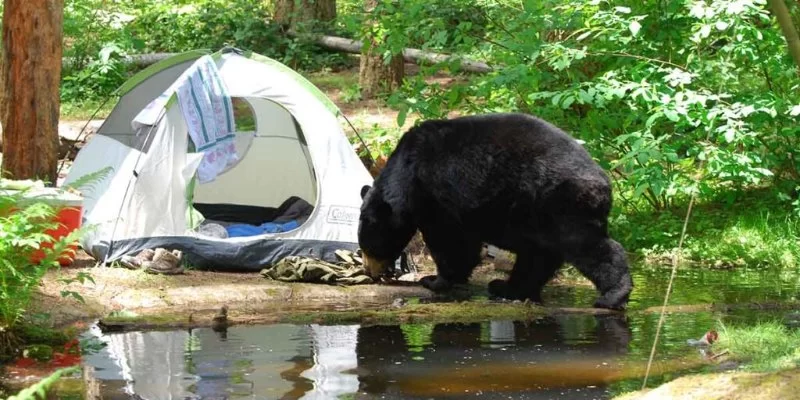
Camping in bear country can be an exciting adventure, but it also comes with certain responsibilities, especially when it comes to food storage and safety. Bears are naturally attracted to food smells, and improperly stored food can lead to dangerous encounters. By following proper food safety and campfire etiquette, you can help ensure both your safety and the protection of wildlife.
How Weather Affects Bear Behavior
Bears, like many animals, are influenced by weather patterns. In colder months, bears may forage more aggressively to prepare for hibernation, while warmer weather may lead to increased activity during the day. Understanding these patterns can help you anticipate bear behavior and take preventive measures accordingly.
1. Bears in Cold Weather
In colder weather, bears are often looking for high-calorie foods to help build up their fat reserves for hibernation. If you're camping in fall or winter, be extra cautious with food storage as bears will be more motivated to search for food before entering hibernation.
2. Bears in Warm Weather
During the warmer months, bears may be more active during the day, especially in the early morning and evening. They rely on a variety of food sources, including berries, fish, and human food scraps, so it's essential to be vigilant in securing your food and trash at all times.
Tips for Keeping Food Safe from Bears
1. Use Bear-Proof Containers
One of the most effective ways to keep food safe from bears is by using bear-proof containers or lockers. These are designed to be resistant to bear attacks, ensuring your food stays protected. If the campsite provides these containers, be sure to use them.
2. Hang Your Food Properly
If bear-proof containers are unavailable, it’s essential to store your food high up, at least 10–12 feet off the ground and 4–6 feet away from tree trunks. This minimizes the chance of a bear accessing your food. Hanging your food from a tree limb, away from tents and sleeping areas, is a critical precaution.
3. Store Smelly Items Separately
Bears are attracted to strong odors, so it's important to store any scented items like toothpaste, deodorant, or trash in the same bear-proof containers. If possible, keep these items in a sealed bag and store them away from your sleeping area.
4. Clean Your Cooking Area Immediately
After cooking, clean all pots, pans, and utensils immediately. Any lingering food particles can attract bears. Also, dispose of food scraps in designated bear-proof trash bins.
Campfire Safety Tips to Prevent Bear Encounters
Campfires can attract bears due to the smell of food. Here are some essential campfire safety tips to minimize the risk of attracting wildlife:
1. Keep Your Fire Small
Limit the size of your campfire to reduce the smell that can attract bears. A small, controlled fire is less likely to spread food odors and will also reduce your environmental impact.
2. Never Leave Food Near the Campfire
Always keep your food and cooking gear a safe distance from the campfire. Bears have a keen sense of smell and can detect food from great distances, so it’s crucial to store all food items away from your fire pit.
3. Extinguish the Fire Completely
Before leaving your campsite or going to bed, make sure to completely extinguish your fire. A lingering flame or smoldering embers can continue to emit food odors that attract bears.
Real-Life Bear Encounters and Lessons Learned 1. The Johnson Family’s Bear Encounter
While camping in the Yellowstone National Park, the Johnson family experienced a close call with a bear after leaving food unsecured overnight. Fortunately, the bear only rummaged through their campsite and didn’t cause harm, but the family learned a valuable lesson about the importance of food storage and proper bear precautions.
2. A Solo Camper’s Mistake in the Cascades
A solo camper in Washington’s Cascades learned the hard way when a bear raided his campsite after he failed to properly store his food. The bear managed to tear open his cooler, and while no injuries occurred, the camper had to pack up and leave the area early. His takeaway: never underestimate the power of a bear’s nose and always secure your food!
Best Western Milton Inn
8936 FL-87, Milton, FL 32583, USA
Visit Location Page100 Acre Wood
657 Dry Run Rd, Coudersport, PA 16915, USA
Visit Location Page