
Planning a weekend backpacking trip? Learn the essentials of choosing the right gear, preparing meals, picking the best trail, and ensuring safety with our comprehensive guide.
- weekend-backpacking-trip
- backpacking-gear
- camping-meals
- trail-planning
- safety-checklist-for-backpacking
- weekend-hike
Essential Gear for a Weekend Backpacking Trip
Heading out on a weekend backpacking trip requires careful gear selection to ensure you have what you need for comfort, safety, and survival in the wilderness. Whether you're a seasoned hiker or a first-timer, having the right equipment can make a big difference. Here are some must-have items for a weekend backpacking trip:
Backpack
The most essential item for any backpacking trip is the backpack itself. You’ll want a pack that is comfortable, fits well, and can carry all your essential gear. A 40–60-liter pack is usually ideal for a weekend trip. Look for features such as padded shoulder straps, waist support, and multiple compartments for easy organization.
Sleeping Bag and Pad
Choosing the right sleeping bag is crucial for staying warm and comfortable at night. Make sure the bag is suited for the temperatures you'll encounter. Pair it with a sleeping pad for insulation and comfort. Look for lightweight options for easier packing.
Tent
Opt for a lightweight tent that is easy to set up and packs small. A two-person tent is usually a good choice for solo travelers or couples, but always check the weather and trail conditions to determine if additional protection (such as a footprint or rain cover) is needed.
Clothing
Dress in layers to adjust to changing temperatures. Always bring moisture-wicking base layers, a warm layer (like a fleece or down jacket), and a waterproof outer layer in case of rain. Don't forget comfortable hiking boots or shoes, and a hat and gloves if you expect cold weather.
Backpacking Meal Planning
Food is an important consideration for any backpacking trip. You’ll want meals that are lightweight, nutritious, and easy to prepare. Here's a guide to planning meals for your weekend hike:
Quick and Easy Camping Meals
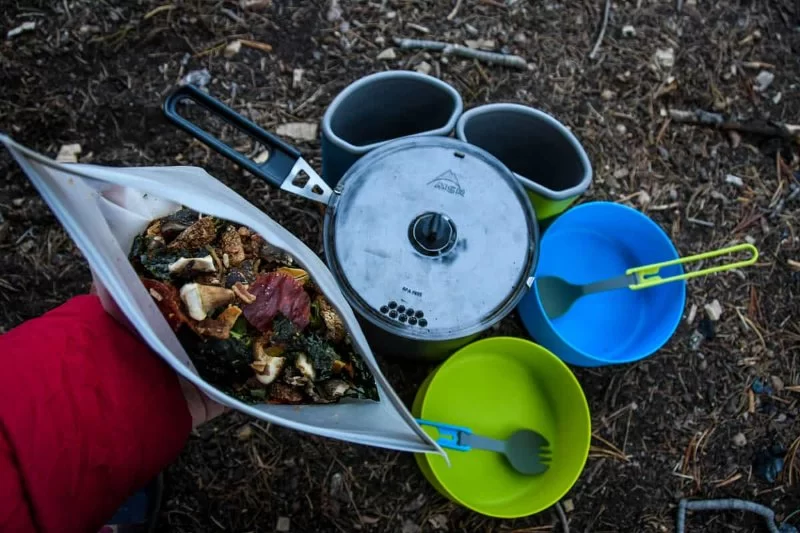
For a weekend backpacking trip, simplicity is key. Pre-packaged dehydrated meals are a great option, but don't forget snacks like trail mix, energy bars, and fruit. Consider making your own trail meals by dehydrating fruits, meats, and grains before your trip to cut down on weight and save space.
Campfire Cooking or Stove Cooking
While backpacking, you can either cook over a campfire (if allowed) or use a lightweight backpacking stove. If you're cooking over a fire, make sure you have a fire starter, lighter, and cooking utensils. A stove is usually more reliable for cooking in wet or windy conditions, and it also saves time.
Staying Hydrated
Staying hydrated while hiking is vital. Carry a water filter or purification tablets in case you need to refill your water bottles along the trail. A hydration system (like a Camelbak) can also make it easier to drink while on the move.
Choosing the Right Trail for a Weekend Backpacking Trip
The trail you choose will significantly impact your overall experience. For a weekend backpacking trip, you’ll want a trail that fits your fitness level and offers the experience you’re looking for, whether it's a scenic view or wildlife sightings. Here's how to choose the right trail:
Trail Difficulty
Be realistic about your abilities when selecting a trail. Consider the distance, elevation gain, and terrain. Most beginner backpackers will want to stay on easy-to-moderate trails, while more experienced hikers can handle more challenging routes. Check trail maps and guides for detailed descriptions of difficulty levels.
Trail Type
For a weekend trip, consider whether you want a loop trail, out-and-back, or a point-to-point trail. Loop trails are great for a shorter trip, while point-to-point trails can offer a more scenic experience. Make sure to plan your trip around the availability of campsites or shelters along the route.
Check the Weather
Weather can dramatically affect your trip. Check the forecast before leaving to ensure you're prepared for any conditions. Bring appropriate gear for rain, wind, or extreme temperatures. If the weather looks unpredictable, consider delaying your trip or choosing a different route.
Safety Checklist for a Weekend Backpacking Trip
Safety should be a top priority when backpacking, especially for a weekend trip. Here’s a checklist to ensure you’re well-prepared:
First Aid Kit
Always carry a well-stocked first aid kit that includes bandages, antiseptic wipes, pain relievers, blister treatment, and any personal medications. It’s also good to include items like insect repellent and sunscreen to protect yourself from bites and burns.
Emergency Communication
If you're hiking in a remote area, bring a satellite phone or a GPS messenger for emergency communication. Let someone know your planned route and expected return time before heading out.
Map and Compass
Even if you have a GPS, it's always good to have a physical map and compass on hand. Know how to navigate the trail manually in case your device runs out of battery or malfunctions.
Fire-Starting Tools
In case of an emergency or for cooking, carry fire-starting materials like waterproof matches, a lighter, or a fire starter. Knowing how to build a fire can also be helpful if you need to stay warm or signal for help.
Get the Right Gear at Pine Cliff Resort
If you're looking to enhance your backpacking experience, visit Pine Cliff Resort for the best outdoor gear and essentials. From tents and backpacks to cooking equipment and clothing, you can find everything you need to make your weekend adventure safe and enjoyable.
Cherry Valley Lakes RV Resort
36805 Brookside Ave, Beaumont, CA 92223, USA
Visit Location PageSmith Bay Campground
Bayou Natchitoches Rd, Moreauville, LA 71355, USA
Visit Location Page