
Discover essential tips for planning the perfect winter camping trip, from choosing the best camping spots to packing the right gear. Ensure comfort and safety on your winter adventure.
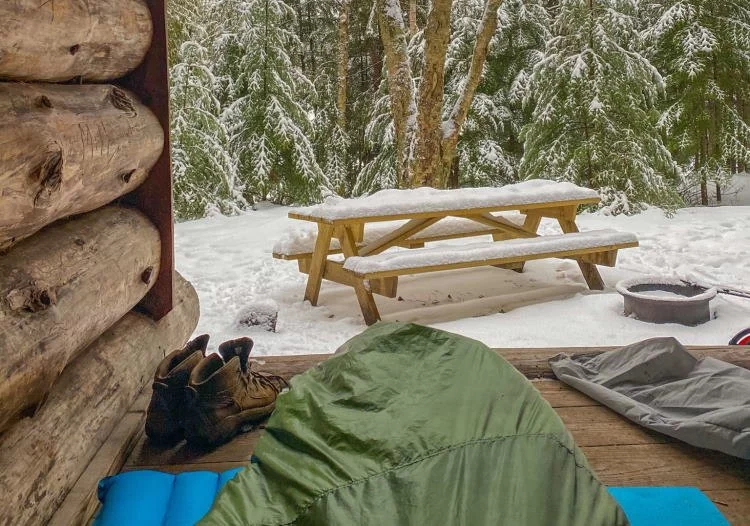
1. Planning for Your Winter Camping Trip
Winter camping is one of those activities that may seem intimidating at first, but with the right preparation, it can be one of the most rewarding outdoor experiences. Over the years, I've learned the ropes of planning a winter camping trip, and it's all about staying prepared, being safe, and embracing the beauty of nature during the colder months. In this guide, I'll share everything you need to know to plan a successful winter camping trip, from choosing the right destination to packing the essential gear.
2. Choosing the Right Winter Camping Location
When it comes to winter camping, the first and most important step is choosing the right location. Your choice of campsite can make or break the experience. Not every campsite is suited for winter camping, so it's important to research places that offer safe conditions and enjoyable views.
2.1 Considering Weather and Safety
The weather is the biggest factor to consider when selecting a location for your winter camping trip. Ideally, you want to choose a location that has a moderate climate with minimal snowfall and wind. Look for areas that are known for winter camping, such as national parks or state forests. Locations like the Great Smoky Mountains or the White Mountains in New Hampshire offer excellent winter camping experiences with easy access to amenities and established winter trails.
2.2 Scenic Views and Accessibility
While safety and weather conditions are critical, don't forget to consider the beauty of the area. Winter landscapes can be breathtaking, and many national parks and scenic areas offer winter-specific activities like snowshoeing or cross-country skiing. Make sure your chosen campsite is accessible by car or has a clear hiking trail for winter travel. Some remote sites might require snowmobiles or other special equipment, so make sure you’re prepared for these challenges.
3. Essential Gear for Winter Camping
Once you’ve chosen the perfect spot, it’s time to think about the gear you’ll need for your trip. Winter camping requires a different set of gear compared to regular camping, as you’ll be dealing with lower temperatures and more challenging conditions. Here’s a rundown of the essential gear that’s made all the difference during my winter camping trips:
3.1 Cold-Weather Sleeping Bag and Pad
A high-quality sleeping bag is a must for winter camping. The right sleeping bag will keep you warm even when temperatures drop well below freezing. I recommend looking for a sleeping bag rated for temperatures at least 10 degrees colder than what you expect to encounter. Pair it with an insulated sleeping pad to add an extra layer of warmth from the ground.
3.2 Winter Tent
Not all tents are created equal when it comes to winter camping. You'll need a four-season tent, which is designed to withstand harsher conditions like snow, rain, and strong winds. A good winter tent is made with stronger poles and more robust fabric than a standard three-season tent. I've found that a good four-season tent provides stability, warmth, and protection against the elements.
3.3 Layers and Clothing
Layering is key when it comes to staying warm while camping in the winter. Make sure to pack moisture-wicking base layers, a mid-layer for insulation, and a waterproof and windproof outer layer. Don't forget to pack warm socks, gloves, and a hat to protect your extremities from the cold. I always bring extra clothing, as it’s important to stay dry to avoid getting chilled.
4. Keeping Warm and Safe in Winter Camping
Keeping warm in winter camping requires more than just good gear; it’s also about taking the right precautions and knowing how to manage your body’s heat. Here are some tips I’ve picked up over the years that can help ensure you stay safe and comfortable in cold weather:
4.1 Stay Dry
One of the biggest challenges in winter camping is staying dry. Wet clothes in cold temperatures can quickly lead to hypothermia. I always make sure to change into dry clothes if I get wet and use a rain cover for my gear when needed. Additionally, I carry a waterproof bag for my clothes and sleeping gear to keep them dry in the snow or rain.
4.2 Keep Moving to Stay Warm
Physical activity is a great way to stay warm while winter camping. Whether you’re hiking, snowshoeing, or just walking around your campsite, staying active helps keep your blood circulating. I make it a habit to do some light exercises in the morning to get my body moving and maintain warmth throughout the day. If you're hiking, make sure to take regular breaks and drink plenty of water to avoid dehydration.
4.3 Build a Safe Winter Campfire
Campfires are essential for warmth in winter camping. However, it’s crucial to build a fire safely. Always clear away snow and debris to create a safe fire pit. In winter, firewood can be harder to find, so it’s important to gather dry wood ahead of time. I also recommend bringing a small stove for cooking, as it can be difficult to cook over an open fire in snowy conditions.
5. How to Make Your Camping Trip Eco-Friendly
While winter camping can be a magical experience, it’s important to minimize our environmental impact. Make sure to follow Leave No Trace principles, such as packing out all your trash and being mindful of wildlife. I also recommend using eco-friendly gear, such as biodegradable soap and reusable containers to reduce waste. By following these principles, you can help ensure that these beautiful winter landscapes are preserved for future generations to enjoy.
For a great selection of eco-friendly camping products and advice on how to make your trip as sustainable as possible, check out Pine Cliff Resort, which offers products designed with both functionality and environmental consciousness in mind.
Cumberland Point Campground and RV Resort
344 Daws Ridge Rd, Nancy, KY 42544, USA
Visit Location PageKillarney Lake Campground and Boat Launch
GC8V+3H, Lane, ID 83810, USA
Visit Location Page