
Discover the joys of disconnecting and why camping is good for your soul. Learn how nature, fresh air, and time away from technology improve mental health and overall wellness.
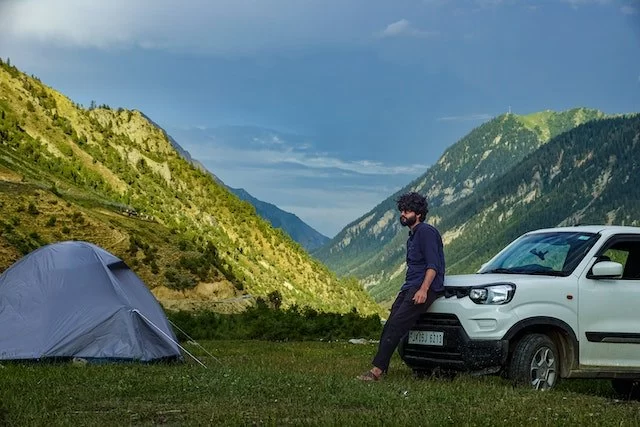
- 1 - Escaping the Noise of Modern Life
- 2 - Mental Health Benefits of Camping
- 3 - Reconnecting with Nature and Its Healing Power
- 4 - Strengthening Relationships Through Shared Experiences
- 5 - Physical Wellness and Active Lifestyles Outdoors
- 6 - Personal Growth and Self-Reflection in the Wild
- 7 - The Lasting Impact of Disconnecting
1. Escaping the Noise of Modern Life
Modern society is filled with constant notifications, deadlines, and digital distractions that drain mental energy. Camping offers a unique opportunity to disconnect from this noise. When you step into the wilderness, the pressure of emails and social media feeds melts away. A camper from Colorado once described his first night under the stars as “a reset button for the soul.” Away from city lights and buzzing phones, campers rediscover the joy of simplicity. This initial act of leaving behind technology and stress is the foundation of why camping is good for your soul.
2. Mental Health Benefits of Camping
Studies consistently show that time in nature reduces anxiety and depression. Camping, in particular, immerses people in an environment that promotes calmness. The natural rhythm of sunrise and sunset helps regulate sleep cycles, while the absence of digital screens lowers stress hormones. During the pandemic, many Americans found solace in camping trips when indoor spaces felt unsafe. A mother of three from Oregon shared that camping weekends gave her family a sense of stability and peace they desperately needed. Mental health professionals often recommend nature-based activities like camping as a form of therapy that complements traditional treatments.
3. Reconnecting with Nature and Its Healing Power
One of the greatest joys of camping is rediscovering a connection with the natural world. Whether it’s the sound of a crackling campfire, the sight of deer at dawn, or the smell of pine trees, nature stimulates the senses in ways no digital device can. This sensory engagement fosters mindfulness, encouraging campers to stay present in the moment. Indigenous traditions across North America have long recognized the restorative power of nature, and modern science now confirms these age-old beliefs. Reconnecting with nature is not only spiritually uplifting but also grounds individuals in a world beyond their screens and routines.
4. Strengthening Relationships Through Shared Experiences
Camping is rarely a solitary activity; it often brings friends and families together. Shared challenges—like setting up tents or cooking over an open fire—create bonding moments. Laughter around the campfire and stories told beneath the stars deepen connections. A family in Minnesota reported that camping trips became their most cherished tradition, providing rare moments of uninterrupted conversation. For couples, the simplicity of outdoor living often strengthens intimacy, free from the distractions of work and technology. These shared experiences not only enhance relationships but also remind campers why human connection is essential to the soul’s well-being.
5. Physical Wellness and Active Lifestyles Outdoors
Camping isn’t just about mental and emotional health—it promotes physical wellness too. Activities such as hiking, swimming, fishing, or simply carrying gear engage the body in natural exercise. Unlike gym workouts, these movements are functional and enjoyable, making fitness feel less like a chore. Research shows that outdoor exercise improves cardiovascular health and boosts immune function. For children, camping offers a chance to replace screen time with exploration and play, building lifelong healthy habits. Many campers report feeling more energized and revitalized after a weekend outdoors, proving that the body and soul thrive when immersed in nature.
6. Personal Growth and Self-Reflection in the Wild
Spending time in the wilderness often leads to profound personal growth. The absence of modern conveniences challenges campers to rely on their skills and creativity. Whether it’s learning how to build a fire or navigating trails, these small victories build confidence. The quiet moments—journaling by a lake or meditating at sunrise—encourage self-reflection. Many solo campers describe these experiences as life-changing, offering clarity about goals and values. In a fast-paced world, these moments of introspection are rare, making camping a powerful tool for self-discovery. This ability to look inward explains why camping is so deeply nourishing for the soul.
7. The Lasting Impact of Disconnecting
The impact of a camping trip extends far beyond the weekend. Campers often return home with a renewed perspective on life. They appreciate the little things—a quiet cup of coffee, time with loved ones, or a walk through the neighborhood—more deeply. Schools and businesses increasingly recognize the benefits of outdoor retreats, using them to reset and inspire creativity. For many, camping becomes a lifelong habit that continually restores balance and wellness. Whether experienced in the forests of Maine or the deserts of Arizona, the joys of disconnecting remind us that true peace often lies outside Wi-Fi coverage.
Maysville KY River Park Campground
100 Main St, Maysville, KY 41056, USA
Visit Location PageDraper's Acres Campground
4582 Cascade Rd, Lake Placid, NY 12946, USA
Visit Location Page