
A comprehensive beginner's guide to backpacking camping. Learn essential tips, gear recommendations, and how to start your first backpacking adventure with confidence.
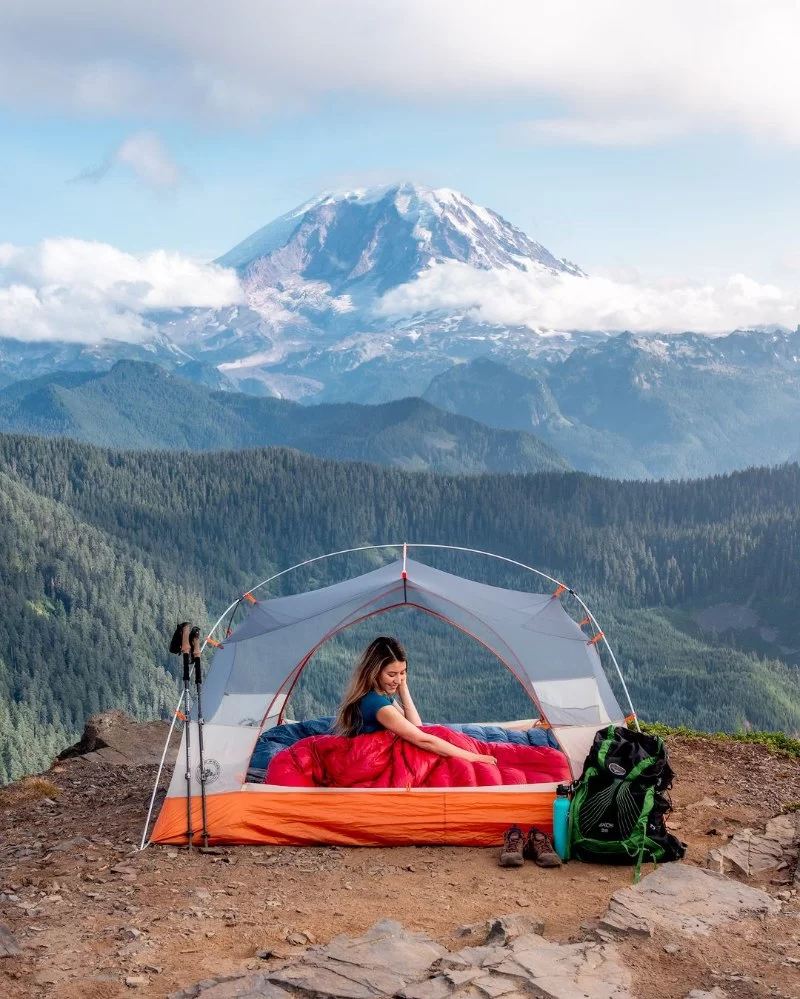
- Why Backpacking is the Ultimate Adventure
- Getting Started with Backpacking Camping
- Essential Backpacking Gear for Beginners
- Planning Your First Backpacking Trip
- Backpacking Etiquette and Safety Tips
Why Backpacking is the Ultimate Adventure
Backpacking camping offers the freedom to explore the great outdoors in its most raw and beautiful form. For beginners, it may seem like an overwhelming endeavor, but the rewards are immense. Backpacking allows you to disconnect from the daily grind, immerse yourself in nature, and experience adventure on your own terms.
Unlike traditional camping, backpacking involves hiking long distances with all your gear carried in a backpack. This style of camping challenges your endurance, encourages self-sufficiency, and offers a deeper connection to the wilderness. Whether you’re hiking through dense forests, scaling mountain ridges, or following a scenic trail along a river, backpacking gives you access to remote locations that are untouched by crowds. If you're someone who loves adventure, backpacking is the ultimate way to experience the world in a completely new way.
Getting Started with Backpacking Camping
Starting out in backpacking camping can be intimidating, but with the right preparation, anyone can enjoy this exciting activity. Here’s how to begin:
- Start with Short Trips: As a beginner, it’s best to start with a short and easy trip. Opt for a day hike or a one-night camping experience to get a feel for the physical demands and gear requirements of backpacking. Gradually increase the length and difficulty of your trips as you build experience.
- Choose the Right Trail: Research and select trails that are appropriate for beginners. Look for well-marked, accessible trails that are not too long or strenuous. National parks and local nature reserves often have beginner-friendly trails with scenic views.
- Prepare for the Elements: Weather conditions can change rapidly in the wilderness, so always check the forecast and be prepared for all seasons. Pack for unexpected weather, including rain, wind, and temperature drops, even in the summer.
Essential Backpacking Gear for Beginners
Having the right gear is critical for your safety and comfort during your backpacking trip. Here’s a list of essential items every beginner should have when starting out:
- Backpack: Choose a comfortable, well-fitting backpack that can carry all your gear. A good rule of thumb is to keep the weight of your pack to no more than 20% of your body weight.
- Sleeping Bag and Pad: A lightweight, compact sleeping bag that’s suitable for the temperature range you’ll be camping in is essential. Pair it with a sleeping pad for insulation from the ground and added comfort.
- Tent: A lightweight, easy-to-assemble tent is important for shelter. Many backpacking tents are designed to be compact and easy to carry, ensuring they don’t add unnecessary weight to your pack.
- Clothing: Wear moisture-wicking, quick-dry clothes to stay comfortable while hiking. Layering is key, as it allows you to adjust to temperature changes. Don’t forget a waterproof jacket and sturdy hiking boots!
- Cooking Gear: A compact stove, fuel, lightweight cookware, and utensils will allow you to prepare meals on the trail. Make sure to pack enough food for the trip, focusing on lightweight, high-energy meals.
- Navigation Tools: A map, compass, or GPS device is essential to navigate through unfamiliar terrain. Even if you’re following marked trails, it’s important to have a backup plan in case you get off track.
Planning Your First Backpacking Trip
Planning is key to a successful backpacking experience. Properly preparing for your first trip ensures you are well-equipped to handle the challenges that come with being in the wilderness for an extended period. Here’s how to plan your first backpacking trip:
- Set Realistic Goals: Be realistic about your fitness level and experience. Start with a short trip and gradually increase the distance as you become more comfortable with backpacking.
- Make a Detailed Itinerary: Plan your route, set a departure and arrival time, and tell a friend or family member your itinerary for safety. Include checkpoints, water sources, and rest areas along the way.
- Pack Light: One of the key aspects of backpacking is packing efficiently. Keep your pack as light as possible by carrying only what is necessary. Choose multi-use items and lightweight alternatives to reduce the overall weight of your gear.
- Check for Permits: Many popular trails require permits for backpacking. Be sure to check whether your chosen route requires a permit and make arrangements ahead of time.
Backpacking Etiquette and Safety Tips
Backpacking is about more than just enjoying nature—it’s also about respecting the environment and other campers. Here are some important tips to keep in mind:
- Follow Leave No Trace Principles: Respect the wilderness by adhering to the Leave No Trace principles. Pack out all trash, avoid disturbing wildlife, and camp at least 200 feet away from lakes and streams to preserve the environment.
- Be Considerate of Other Campers: When you pass other hikers or campers, be courteous. Yield the trail to those coming uphill and keep noise levels low to maintain a peaceful atmosphere for all.
- Stay Safe: Always carry a first-aid kit, know the signs of dehydration or hypothermia, and be aware of the weather forecast. Stay hydrated and take regular breaks to rest your body.
- Respect Wildlife: While it’s exciting to see wildlife, remember that they are best observed from a distance. Never feed animals, as it can alter their natural behavior and pose a risk to both you and the animals.
Backpacking is an amazing way to experience nature and challenge yourself physically and mentally. For beginners, it’s important to take it slow and focus on learning the basics of gear, safety, and navigation. As you gain more experience, you’ll be able to tackle more challenging trails and enjoy longer backpacking trips. For gear recommendations and more information on how to get started, visit Pine Cliff Resort for expert advice and products that will enhance your backpacking experience.
Seaton Creek Campground
Mesick, MI 49668, USA
Visit Location PageJordan Recreation Area
2923 Jordan Landing Rd, Jordan, AR 72519, USA
Visit Location Page