
"Explore the ultimate beginner’s guide to backpacking camping, including essential gear, safety tips, and route recommendations. Discover how Pine Cliff Resort can enhance your outdoor adventures."
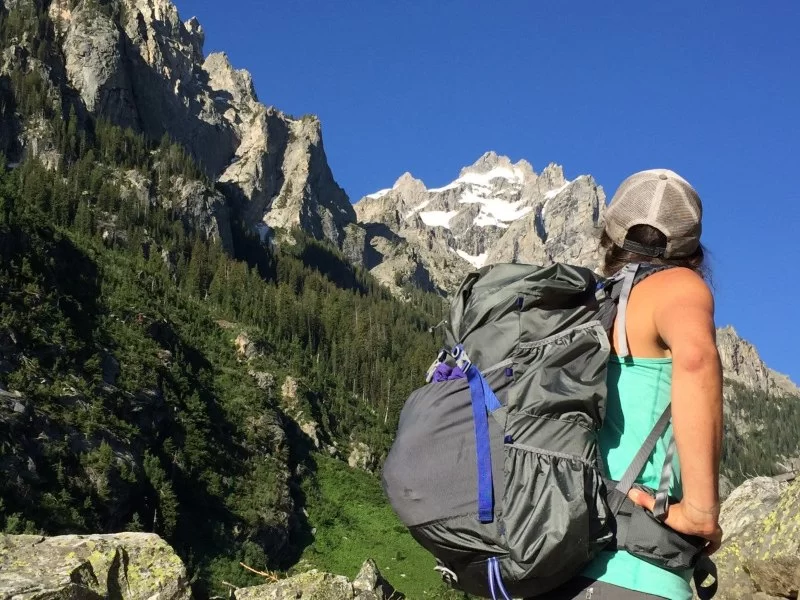
A Beginner’s Guide to Backpacking Camping
- 1-Why Backpacking Camping Is for You
- 2-Essential Backpacking Gear for Beginners
- 3-Choosing the Right Backpacking Route
- 4-Backpacking Safety Tips Every Beginner Should Know
- 5-How Pine Cliff Resort Can Enhance Your Backpacking Experience
Backpacking camping is an exhilarating outdoor adventure that combines the best of hiking and camping into one experience. It allows you to explore remote, breathtaking landscapes while carrying all the essentials you need for a few days in the wilderness. Whether you're new to outdoor adventures or an experienced hiker, backpacking offers an incredible opportunity to connect with nature in a way that other forms of travel simply can’t match.
1-Essential Backpacking Gear for Beginners
Before you set out on your backpacking adventure, it’s important to have the right gear. As a beginner, it may seem overwhelming to choose the right equipment, but focusing on the basics will set you up for success. Here’s a list of essential backpacking gear you’ll need:
- Backpack: A high-quality, well-fitted backpack is crucial for carrying your gear comfortably. Look for one that’s lightweight but durable, with enough space to carry your essentials.
- Sleeping Bag: Choose a sleeping bag suited to the temperatures you expect to encounter. It’s important to be warm and comfortable during the night, especially in colder climates.
- Tent: A lightweight, easy-to-set-up tent is essential for protecting you from the elements. Make sure it's designed for the conditions you’ll be camping in, such as rain or wind.
- Cooking Equipment: A small camp stove and cookware will allow you to prepare meals on the go. Be sure to bring fuel and lightweight utensils.
- Water Filtration: Ensure you have a reliable water filter or purification system, as staying hydrated is crucial during long hikes in remote areas.
These are the basics, but as you gain experience, you may want to expand your gear list to include additional items like trekking poles, a headlamp, and extra layers for warmth.
2-Choosing the Right Backpacking Route
When planning your first backpacking trip, choosing the right route is key to a successful experience. Here are some important factors to consider when selecting your backpacking route:
- Distance and Difficulty: Choose a route that matches your fitness level. For beginners, start with shorter, well-marked trails that are not too challenging. Aim for trips that are between 5-10 miles in length over 2-3 days.
- Weather Conditions: Research the weather for the time of year you plan to go. Some routes may be closed in winter or become dangerous during heavy rainfall. Make sure you’re prepared for the conditions you’ll encounter.
- Permit Requirements: Many popular backpacking routes require permits, especially in national parks and protected areas. Be sure to check if you need to book a permit ahead of time.
- Water Availability: Check the water sources along your route. It's important to know where you can refill your water bottles or where you’ll need to carry extra water.
As a beginner, it’s best to start with a popular and well-maintained trail, where you’re more likely to meet other hikers and have access to basic amenities like water sources and rest areas.
3-Backpacking Safety Tips Every Beginner Should Know
Backpacking can be an incredibly rewarding experience, but it also comes with certain risks. It’s important to stay safe while exploring the wilderness. Here are some safety tips for beginners:
- Know Your Limits: Don’t push yourself too hard on your first backpacking trip. Take your time and stick to a route that’s within your abilities.
- Tell Someone Your Plans: Always let a friend or family member know your itinerary, including your planned route and expected return time. This ensures someone knows where you are in case of an emergency.
- First-Aid Kit: Carry a basic first-aid kit that includes bandages, antiseptic, pain relievers, and any personal medications you may need. It’s better to be over-prepared than under-prepared.
- Stay On Marked Trails: Stick to marked trails to avoid getting lost. Make sure you have a map and compass or a GPS device to help you navigate.
- Check the Weather: Be aware of the weather forecast before you leave. Avoid hiking in extreme weather conditions such as heavy rain, snowstorms, or intense heat.
These basic precautions will help you stay safe and enjoy your backpacking experience to the fullest.
4-How Pine Cliff Resort Can Enhance Your Backpacking Experience
At Pine Cliff Resort, we’re dedicated to helping you make the most of your outdoor adventures. Whether you’re a beginner or an experienced backpacker, Pine Cliff Resort offers excellent resources to help you plan your trip, from guided hikes to the best gear and camping spots.
In addition to great accommodation options, Pine Cliff Resort provides expert advice on routes, weather conditions, and safety tips. Visit our website to explore camping packages, gear recommendations, and services designed to help you have a memorable and safe backpacking experience.
Honore Primitive Campsites
Sarasota, FL 34241, USA
Visit Location PageLa Junta Fishing Site (recgovnpsdata)
Jemez Pueblo, NM 87024, USA
Visit Location Page