
Discover how to find free camping in the United States for your road trip. Explore top tips for vehicle camping, the best free campsites, and practical advice to make your journey unforgettable.Your Vehicle on a Road Trip: How to Find Free Camping in the United StatesAs a long-time road trip enthusiast, I’ve experienced firsthand how challenging it can be to find the perfect camping spot while on the road. If you’re planning a road trip in the United States and want to save money on accommodation, free camping is a fantastic option. Not only does it offer an opportunity to connect with nature, but it also adds an element of adventure to your journey. In this article, I’ll share my personal tips and experiences on how to find free camping across the country, including the best spots and practical advice to make your camping experience enjoyable.1. Understanding Free Camping in the U.S.Before diving into how to find free camping spots, it's important to understand the concept of free camping in the United States. Generally, free camping falls into two main categories: dispersed camping and camping on public lands. Dispersed camping refers to camping outside of designated campgrounds, typically on federal land, such as National Forests, Bureau of Land Management (BLM) areas, or even some state-owned lands. These spots offer a more primitive camping experience, but they come with the benefit of being free.2. Federal Lands: Your Best Bet for Free CampingFederal lands are a goldmine for those seeking free camping options. The U.S. is home to vast areas of National Forests, BLM lands, and even some areas in national parks where dispersed camping is permitted. Some of the best spots I’ve found during my travels have been on BLM lands, where campgrounds are often available at no cost. National Forests are another prime location for free camping. With millions of acres of land, you’ll find spots where you can park your vehicle and enjoy a peaceful night under the stars. I recommend visiting websites like the USDA Forest Service to find specific areas that allow free camping.3. Using Online Resources to Find Free CampsitesOne of the most valuable tools I’ve used to find free camping spots is the internet. Several websites and apps are dedicated to helping travelers find free and dispersed camping options. Some of the best include:- FreeCampsites.net – This website is a comprehensive resource for finding free campsites across the U.S. It includes user reviews and detailed descriptions of each location.- Campendium – This app provides information on both paid and free campgrounds, including reviews and photos from fellow campers.- iOverlander – A global database that includes free camping spots, particularly helpful for international road trippers.4. Campgrounds That Offer Free Camping with Limited AmenitiesWhile many free campsites are entirely primitive, there are also campgrounds that offer basic amenities, like a picnic table or a fire ring, at no cost. These campgrounds are typically on public lands, and while they don’t provide hookups for your vehicle, they offer a great balance between cost-free camping and some creature comforts. Look for dispersed camping in areas near national forests or state parks, as they often have these types of free campgrounds.5. The Importance of Respecting the LandFree camping often means camping in more remote areas, which can sometimes come with limited resources and fewer regulations. It’s essential to respect the land and leave no trace of your stay. As a responsible traveler, here are a few practices I always follow:- Pack out everything you bring – This includes trash, food scraps, and even human waste if necessary.- Stay on established paths and campsites – This helps preserve the natural landscape and ensures that future campers can enjoy the same experience.- Respect wildlife – Don’t feed animals, and be sure to store food safely.6. Safety Tips for Free CampingFree camping may be affordable, but it also requires extra caution. Many of these campsites are in remote areas where services may be scarce, so it’s important to be well-prepared. Here are some tips I’ve learned from my experiences:- Bring plenty of water – Depending on your campsite, access to water may be limited. Always carry enough water for drinking, cooking, and cleaning.- Have a backup plan – If your first choice for camping isn’t available, it’s wise to have a few alternatives in mind. Apps and websites can help you find other nearby options.- Be aware of wildlife – When camping in remote areas, encounters with wildlife like bears, mountain lions, or even snakes are possible. Keep a safe distance, store food properly, and learn the local wildlife risks before heading out.7. Joining Online Communities for Insider TipsThe best way to discover hidden gems for free camping is by connecting with others who share the same interests. Online communities and forums are great places to exchange tips and recommendations. For example, Reddit has a strong road trip and camping community, including subreddits like r/roadtrip and r/camping, where users share their experiences, including free camping spots.8. The Benefits of Free CampingFree camping offers more than just financial savings. It also provides an opportunity to experience nature in a more personal and intimate way. When you camp for free, you’re often in less crowded, more peaceful locations, allowing for a deeper connection with the environment.Personally, I find that free camping helps me unplug from the stresses of everyday life. The simplicity of camping without the distractions of a fancy campsite or a resort makes for some of the most memorable moments on the road.9. Additional Tips for a Comfortable Camping ExperienceAlthough free campsites may lack the amenities of commercial campgrounds, there are several ways to ensure that your experience is comfortable and enjoyable:- Invest in quality camping gear – Having the right gear can make a huge difference. A good tent, sleeping pad, and camp stove will enhance your experience.- Prepare simple meals – When cooking at a campsite, focus on easy-to-make, nutritious meals. You’ll appreciate the simplicity of a quick dinner after a long day on the road.- Bring a good book or journal – Sometimes the best part of camping is the peace and solitude. A book or a journal can help you make the most of these quiet moments.ConclusionFree camping while on a road trip is a fantastic way to save money, connect with nature, and enjoy the freedom of the open road. By using online resources, respecting the land, and taking necessary precautions, you can enjoy a safe and memorable camping experience without breaking the bank. For those looking for additional information or planning a stay at a comfortable and well-equipped site, check out 【Pine Cliff Resort】 for excellent recommendations.
📍
Discover Location
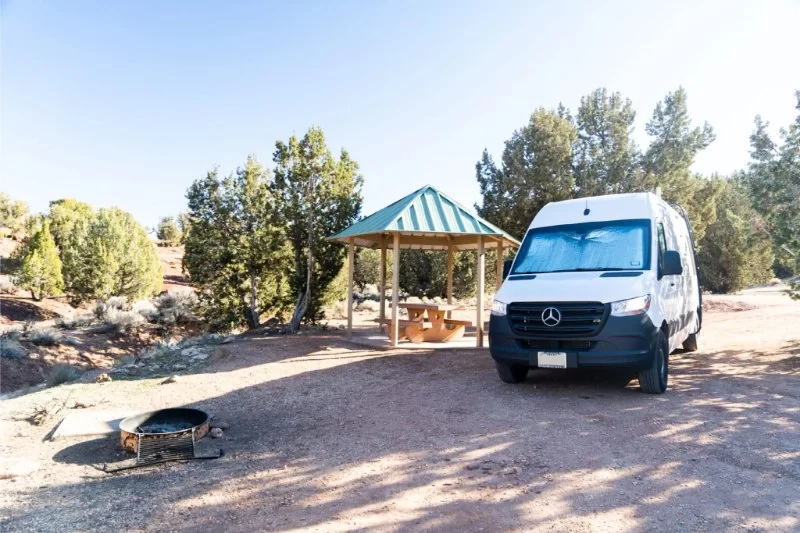
Duchesne Tunnel Campground
FR 417, Kamas, UT 84036, USA
Visit Location Page
✨
Discover Location
Mile 12+
Bouse, AZ 85325, USA
Visit Location Page