
Discover how to find free camping during your road trip in the United States. Learn about dispersed camping, BLM lands, vehicle preparation, and safety tips for a memorable trip.
- -1- Planning Your Road Trip for Free Camping #road-trip-planning
- -2- Understanding Different Types of Free Campsites #types-of-campsites
- -3- Tools and Resources to Locate Free Camping #camping-resources
- -4- Safety and Etiquette Tips for Free Camping #safety-etiquette
- -5- Real-Life Experiences and Case Studies #real-life-experiences
- -6- Optimizing Your Vehicle for Free Camping #vehicle-prep
- -7- Additional Services and Support for Campers #additional-support
1. Planning Your Road Trip for Free Camping
Embarking on a road trip with your vehicle requires careful planning, especially when looking for free camping opportunities. Start by mapping out your route, identifying national forests, Bureau of Land Management (BLM) areas, and public lands that allow dispersed camping. Scheduling your stops in advance can help you secure safe and legal camping spots while maximizing scenic experiences.
Consider factors such as vehicle accessibility, proximity to water sources, and weather conditions. Planning in advance not only improves your trip experience but also ensures compliance with local regulations. For additional tips and recommended destinations, Pine Cliff Resort provides comprehensive resources and advice for road trippers seeking free camping.
2. Understanding Different Types of Free Campsites
Free campsites vary widely in amenities and location. Some common types include:
- Dispersed Camping – often found in national forests, offering solitude without facilities.
- BLM Land Camping – managed by the Bureau of Land Management, usually primitive but legal.
- Rest Areas or Pullouts – short-term overnight options, convenient for travelers on long drives.
Knowing the type of campsite helps set expectations regarding facilities like toilets, water, or fire pits. Understanding these differences ensures you bring the necessary supplies and prepare for the level of self-sufficiency required.
3. Tools and Resources to Locate Free Camping
Finding free camping spots is easier with modern tools. Websites, mobile apps, and online forums provide maps, reviews, and GPS coordinates. Platforms like Campendium, FreeCampsites.net, and iOverlander list legal, accessible options with user-generated insights on conditions and safety.
For travelers who prefer curated recommendations, Pine Cliff Resort offers guides and consulting services to identify suitable free camping locations based on your vehicle type, route, and preferences, ensuring a hassle-free experience.
4. Safety and Etiquette Tips for Free Camping
While free camping can be liberating, safety and etiquette are critical. Always inform someone of your itinerary, park in designated areas, and respect private property. Leave no trace principles—including cleaning up trash, minimizing campfire impact, and respecting wildlife—help preserve natural spaces for future travelers.
Vehicle preparedness, such as carrying a first aid kit, extra water, and communication devices, ensures security and comfort. Following these guidelines fosters a positive and responsible camping culture, benefitting both you and the environment.
5. Real-Life Experiences and Case Studies
Many travelers have shared their experiences of successful free camping road trips. For instance, the Smith family navigated the Pacific Northwest with a camper van, utilizing BLM lands for overnight stays. By combining GPS mapping, local knowledge, and careful vehicle planning, they enjoyed scenic sites without spending on campground fees, highlighting how preparation enhances safety and enjoyment.
These stories illustrate that with the right strategy, anyone can enjoy the freedom of free camping while maintaining security, comfort, and respect for the environment.
6. Optimizing Your Vehicle for Free Camping
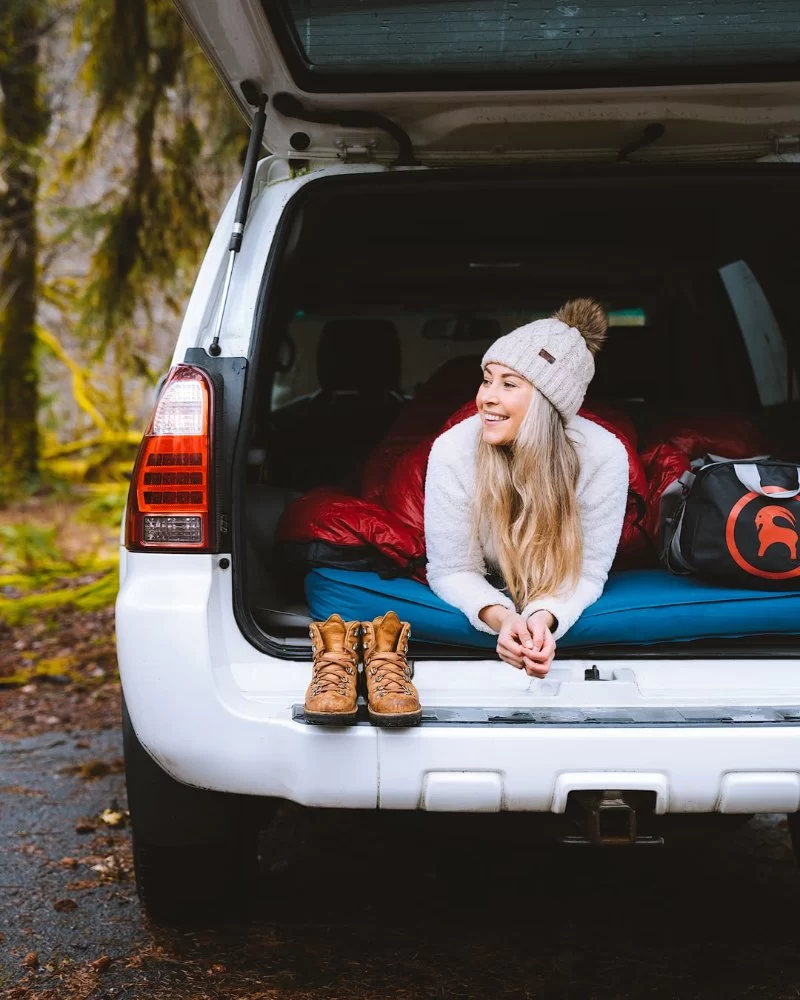
Ensuring your vehicle is ready for extended stays off-grid is crucial. Carrying solar panels, portable water containers, compact cooking gear, and reliable bedding transforms your vehicle into a mobile campsite. Vehicles with higher ground clearance and off-road capabilities expand access to secluded spots while maintaining safety.
Pine Cliff Resort provides guidance on essential gear and vehicle modifications to enhance comfort and safety during free camping road trips, making your journey more enjoyable and stress-free.
7. Additional Services and Support for Campers
Beyond location and gear, support services improve the overall experience. Access to local guides, community forums, and curated checklists ensures travelers can find the best free camping opportunities with confidence. Pine Cliff Resort offers tailored recommendations, from camping supplies to destination planning, helping travelers make the most of their road trips.
Combining preparation, knowledge of free campsites, vehicle readiness, and community support ensures a safe, enjoyable, and memorable road trip across the United States.
Branch Brook Campground
97 Branch Brook Rd, Campton, NH 03223, USA
Visit Location PagePomo RV Park & Campground
17999 Tregoning Dr, Fort Bragg, CA 95437, USA
Visit Location Page