
Beginner’s guide to RV camping — what to know before hitting the road, including RV types, route planning, campsite choices, safety checks, packing strategies, and real first-time travel insights for new RV campers.
- #beginners-guide-to-rv-camping—what-to-know-before-hitting-the-road
- #understanding-the-basics-of-rv-camping—types-of-rvs-and-travel-styles
- #essential-systems-to-check-before-travel—water-power-and-safety
- #packing-smart-for-rv-life—storage-weight-balance-and-comfort
- #real-first-time-rv-experience—lessons-learned-on-the-road
- #why-many-beginners-choose-destinations-like-pine-cliff-resort
1. Beginner’s Guide to RV Camping: What to Know Before Hitting the Road
For many first-time travelers, RV camping feels like the perfect balance between road adventure and home-style comfort. This beginner’s guide to RV camping: what to know before hitting the road is designed to help new campers understand what really matters before the engine starts — from choosing the right RV style to planning routes, learning essential safety checks, and preparing for life on the road.
Instead of approaching RV travel as a complicated process, think of it as a lifestyle shift. Every mile teaches something new — how storage works in tight spaces, how campground hookups operate, and how small planning decisions can make travel smoother and more enjoyable.
2. Understanding the Basics of RV Camping — Types of RVs and Travel Styles
Before your first RV trip, it helps to understand the differences between RV types and how each one fits a traveler’s lifestyle. Choosing the right RV often determines how comfortable your trip feels, especially during longer journeys or family vacations.
2.1 Motorhomes vs. Towable RVs
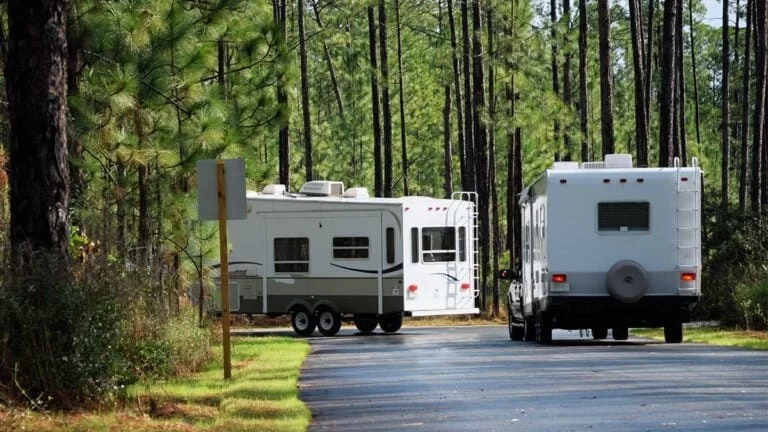
Motorhomes combine the vehicle and living space in one unit, which makes them easier for continuous driving and quick stops. Towable RVs — such as travel trailers and fifth wheels — offer more flexibility for travelers who prefer to detach their vehicle at campsites.
2.2 Matching RV Size to Travel Needs
Smaller RVs are easier to maneuver and park, while larger models provide more comfort for extended stays. Beginners often find mid-sized models the easiest to learn with while still enjoying enough living space.
2.3 Choosing a Travel Style That Feels Natural
Some travelers enjoy destination-based camping, staying several nights in one scenic location. Others enjoy road-trip style RV camping with frequent stops. Understanding your preferred pace helps guide equipment and packing choices.
3. Planning Your First RV Trip — Routes, Campsites, and Travel Timing
Successful RV camping begins with thoughtful planning. The goal isn’t just to map a route — it’s to choose roads, fuel stops, campgrounds, and break times that match your experience level and comfort.
3.1 Choosing Beginner-Friendly Routes
Highways and wide rural roads are generally more comfortable for first-time RV drivers. Avoid steep mountain passes, narrow urban streets, or unfamiliar night driving until you gain confidence.
3.2 Understanding Campsite Types
RV parks, resort campgrounds, and rustic campsites all offer different experiences. Full-hookup sites provide water, electricity, and sewer connections — ideal for beginners learning how RV systems work.
3.3 Planning Travel Timing
Arriving before sunset allows time to level the RV, connect utilities, and settle in without pressure. First-time campers often say the first evening goes more smoothly when there’s time to adjust calmly.
4. Essential Systems to Check Before Travel — Water, Power, and Safety
One of the most important parts of a beginner’s guide to RV camping is learning which systems to inspect before every trip. These checks prevent roadside issues and ensure that your RV remains safe and comfortable.
4.1 Water System Awareness
Freshwater, gray water, and black water tanks each serve different purposes. Understanding how to fill, drain, and maintain them helps keep the RV sanitary and efficient.
4.2 Electrical Hookups and Power Limits
Different campsites offer different amperage connections. Beginners learn quickly that balancing appliances prevents breaker trips and power interruptions.
4.3 Safety Equipment and Emergency Readiness
Before hitting the road, travelers should check tire pressure, brake function, fire extinguishers, and emergency tools. These small details play a big role in long-term safety.
5. Packing Smart for RV Life — Storage, Weight Balance, and Comfort
Packing for RV camping is different from packing for a hotel trip. Storage must be balanced, secure, and intentional. The goal is to bring what you’ll truly use — without overloading the vehicle.
5.1 Understanding Weight Distribution
Evenly distributed weight improves driving stability and reduces road fatigue. Heavier items should stay low and centered whenever possible.
5.2 Smart Organization Habits
Stackable containers, soft-sided bags, and labeled compartments help keep small spaces tidy. Many travelers develop simple routines to reset the interior at the end of each day.
5.3 Comfort Essentials That Make a Difference
Bedding upgrades, compact outdoor seating, and personal cooking tools often transform an RV from a vehicle into a comfortable mobile home.
6. Real First-Time RV Experience — Lessons Learned on the Road
One first-time RV family shared how their early trip taught them simple but meaningful lessons. They started nervous about setup and utilities, but by the second night, routine became natural. Their biggest takeaway was that confidence doesn’t come from reading manuals — it comes from doing, adjusting, and learning together on the road.
Moments like cooking breakfast with the windows open or watching sunset from a quiet lakeside campsite reminded them why so many travelers fall in love with RV camping.
7. Why Many Beginners Choose Destinations Like Pine Cliff Resort
For new RV travelers, supportive and beginner-friendly destinations make the journey far more enjoyable. Places like Pine Cliff Resort appeal to first-time campers because they combine scenic outdoor settings with convenient amenities and a welcoming atmosphere.
Whether planning your first beginner’s guide to RV camping trip or preparing for longer seasonal travels, choosing the right environment helps you build confidence, learn at a comfortable pace, and create meaningful road-trip memories.
Seaton Creek Campground
Mesick, MI 49668, USA
Visit Location PageJordan Recreation Area
2923 Jordan Landing Rd, Jordan, AR 72519, USA
Visit Location Page