
Discover the best summer camping tips for staying cool and comfortable. Learn practical strategies for heat, hydration, gear choices, and campsite setup for a better outdoor experience.
- summer-camping-tips - hot weather survival - outdoor comfort strategies
- staying-cool-while-camping - hydration planning - shade management techniques
- comfortable-camping-conditions - gear optimization - sleep quality outdoors
- hot-weather-camping-hacks - campsite selection - summer safety outdoors
Why Summer Camping Comfort Depends More on Strategy Than Gear
When people search for Conditions Best Summer Camping Tips for Staying Cool and Comfortable, they often expect a simple checklist. But experienced campers know that comfort in the summer outdoors is less about buying expensive equipment and more about understanding how heat, terrain, and timing interact.
The truth is that summer camping tips are built on small decisions—where you pitch your tent, how you manage hydration, and even how you structure your day around the sun’s intensity.
Choosing the Right Campsite for Natural Cooling
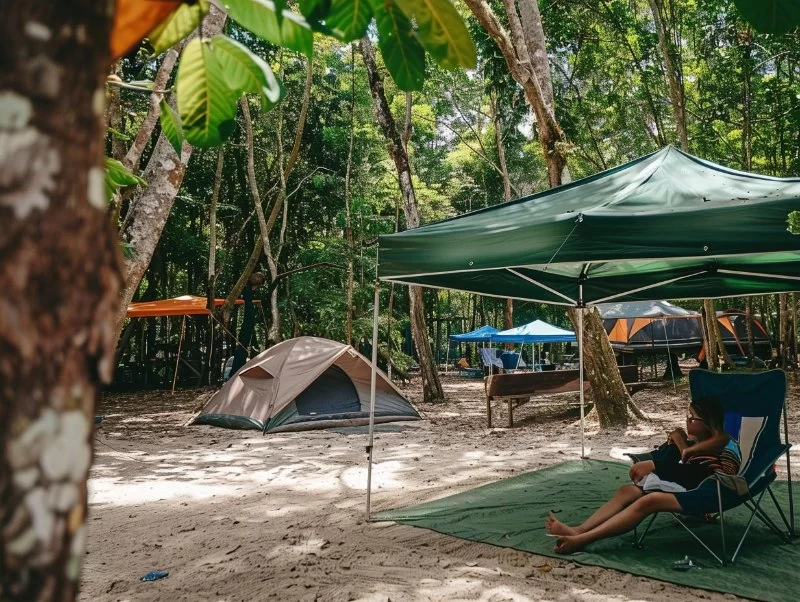
One of the most overlooked aspects of comfortable camping conditions is site selection. A few meters can make a noticeable difference in temperature and airflow.
Shade Patterns and Terrain Positioning
Experienced campers often prioritize natural shade from trees or rock formations. In hot regions, setting up near a gentle slope or water source can significantly improve airflow. However, proximity to water must be balanced with insect activity, which tends to increase in humid environments.
A Real Example from the Sierra Foothills
A group of hikers once shared how their weekend trip turned uncomfortable when they chose an open valley site. Temperatures dropped at night, but daytime heat became overwhelming due to lack of shade. On their second attempt, they shifted just 300 meters into a forested edge—and reported a 10–15% perceived temperature difference simply due to airflow and canopy cover.
Hydration and Heat Management in Summer Conditions
Among all hot weather camping hacks, hydration is the most critical yet most underestimated. It is not just about drinking water, but about timing and electrolyte balance.
Why Timing Matters More Than Quantity
Drinking small amounts consistently throughout the day helps the body regulate temperature more effectively than consuming large amounts at once. Many experienced campers also adjust their activity schedule, doing physically demanding tasks early in the morning or later in the evening.
Electrolytes and Energy Stability
Sweating in high heat leads to mineral loss that plain water cannot replace. Adding electrolyte sources helps maintain endurance and reduces fatigue during long hikes or setup sessions.
Gear Choices That Actually Make a Difference in Heat
While gear alone cannot solve heat discomfort, it plays a supporting role in maintaining stability during peak temperatures. Lightweight fabrics, breathable tents, and reflective tarps all contribute to better temperature control.
Ventilation Over Insulation
In summer environments, airflow is more important than insulation. Tents with multiple mesh panels and adjustable vents help prevent heat buildup during early morning hours.
A Common Mistake Among First-Time Campers
Many beginners bring cold-weather sleeping bags, assuming they offer universal comfort. In reality, these can trap heat and make sleep difficult during warm nights. Switching to a lightweight summer sleeping system often improves rest quality immediately.
Daily Rhythm Planning for Better Comfort
Successful summer camping tips often revolve around adjusting your daily rhythm to match environmental conditions. Instead of fighting the sun, experienced campers work with it.
Morning Productivity and Evening Recovery
Setting up camp early in the morning or later in the evening avoids peak heat exposure. Midday is better reserved for rest, shade, or water-based activities.
Real Story from a Desert Camp Experience
A solo camper once shared how shifting their hiking schedule from noon to sunrise completely changed their experience. Not only did energy levels improve, but the overall enjoyment of the trip increased because fatigue and overheating were eliminated.
Comfort Enhancement Through Campsite Atmosphere Design
Beyond survival strategies, modern campers increasingly focus on comfort aesthetics—shade tarps, seating arrangements, and airflow corridors that create livable outdoor spaces rather than just temporary shelters.
Resorts like Pine Cliff Resort often incorporate these principles into curated outdoor experiences, helping guests understand how environment design impacts comfort in real camping scenarios.
Why Comfort Is Becoming a Core Camping Priority
Camping is no longer just about endurance. It has evolved into a balance of adventure and comfort, where staying cool and relaxed enhances the overall connection to nature rather than diminishing it.
Shenandoah National Park
Virginia, USA
Visit Location PageWinding Forest RV Rentals and Campground
160th Trace, Co Rd 349, McAlpin, FL 32062, USA
Visit Location Page