
Learn how to camp responsibly and without harming the environment with these tips and practical advice for eco-friendly camping in the U.S. Embrace sustainable practices and leave no trace on your next outdoor adventure.
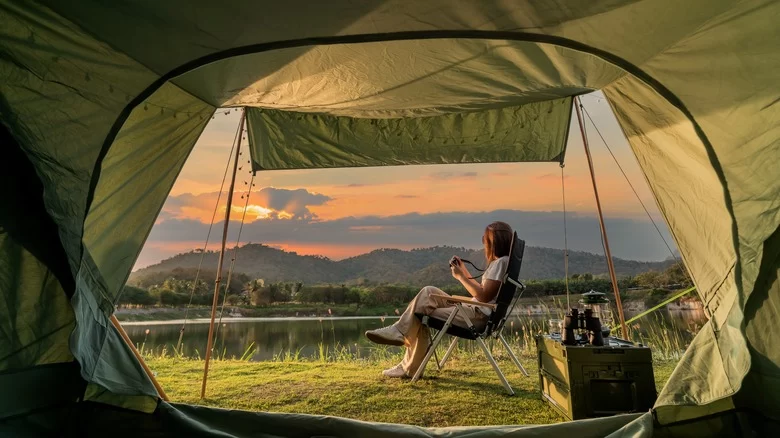
Embracing Nature: Eco-Friendly Camping Tips for a Sustainable Adventure
Camping has long been a cherished tradition in the United States, offering a peaceful retreat into nature. Yet, with increasing numbers of people seeking outdoor adventures, it's crucial to understand how to enjoy nature without causing harm to it. As an avid camper, I've learned firsthand how to camp in a way that respects and preserves the environment. In this article, I'll share valuable tips and insights on how to camp responsibly and without disturbing the natural surroundings.
1. Choose Environmentally-Friendly Campsites
The first step in eco-friendly camping is selecting a campsite that prioritizes sustainability. Many national parks and protected areas have designated campgrounds that are specifically designed to minimize environmental impact. These campgrounds offer well-maintained facilities, ensuring that campers don't need to disturb natural habitats by creating their own makeshift sites. Before booking, research the campsite to ensure it aligns with eco-conscious practices.
Some sites even implement solar-powered facilities or composting toilets, which significantly reduce water usage and energy consumption. Avoid camping in areas that are particularly vulnerable to human impact, such as wetlands or areas with rare wildlife. By respecting these guidelines, you're helping protect these fragile ecosystems.
2. Practice "Leave No Trace" Principles
One of the most important aspects of eco-friendly camping is the "Leave No Trace" (LNT) philosophy. This set of principles encourages campers to minimize their impact on the environment by leaving the area just as they found it. The seven core principles of LNT include:
- Plan ahead and prepare
- Travel and camp on durable surfaces
- Dispose of waste properly
- Leave what you find
- Minimize campfire impact
- Respect wildlife
- Be considerate of other visitors
By following these simple yet effective guidelines, you can ensure that your camping experience does not disrupt the natural environment. For instance, when hiking, stick to established trails to avoid damaging fragile plant life, and when setting up camp, use existing campsites to minimize the need for new, potentially disruptive clearing of land.
3. Pack Out All Waste
Another critical aspect of eco-friendly camping is managing waste properly. This includes both organic and non-organic waste. While it might seem harmless to leave food scraps behind, they can attract wildlife and alter natural feeding patterns. Always pack out your trash, even if it seems like a small piece of litter. The truth is that every item you leave behind can negatively affect the environment.
For example, did you know that many popular camping areas in the U.S. have experienced soil erosion and vegetation loss due to improperly disposed of trash? It’s a simple action that goes a long way in maintaining the beauty of our outdoor spaces. If you’re unsure about how to handle your waste, bring along a trash bag specifically designated for garbage and another one for recyclables. And always bring biodegradable soap for washing dishes, which is much safer for the environment than traditional dish soap.
4. Go Solar: Use Renewable Energy for Power
Modern camping doesn’t necessarily mean roughing it without any amenities, but that doesn’t mean you have to compromise the environment in the process. Solar power has revolutionized the way we camp by providing a clean and renewable energy source for essential devices. Whether it’s charging your phone, powering up a lantern, or keeping your campsite lit, portable solar panels are an eco-friendly option.
During my last trip, I invested in a small solar-powered generator to keep my electronics charged and power some basic camping equipment. Not only did this eliminate the need for disposable batteries or noisy, fuel-powered generators, but it also ensured that I wasn’t contributing to pollution or wasting precious resources.
5. Be Mindful of Campfires
Campfires are an iconic part of the camping experience, but they can also be a source of environmental damage if not managed responsibly. A common mistake that many campers make is building large fires in areas where it is prohibited, or leaving them unattended. Not only does this increase the risk of wildfires, but it can also leave lasting marks on the landscape, such as scorched earth and damaged vegetation.
Instead of creating a large campfire, consider using a portable stove for cooking or heating. These stoves are safer, more energy-efficient, and have less environmental impact. When fires are allowed, always use designated fire rings and keep the flames small. Make sure to fully extinguish the fire before leaving, and pack out all ashes when you're done.
6. Respect Wildlife
One of the greatest joys of camping is the opportunity to see wildlife up close, but it's essential to remember that we are guests in their habitat. Respecting wildlife means keeping a safe distance, not feeding animals, and securing your food properly to prevent attracting them to your campsite. Many campers, myself included, have encountered curious raccoons or bears, but feeding them disrupts their natural foraging behaviors and can lead to dangerous encounters.
During my last camping trip in the Adirondacks, I witnessed a black bear in the distance, and while it was an incredible sight, I made sure to keep my distance and not to leave any food out in the open. By acting responsibly, I was able to enjoy the encounter without putting either the bear or myself in harm’s way.
7. Embrace Sustainable Gear and Supplies
Another way to camp without disturbing the environment is by choosing sustainable and eco-friendly gear. From reusable water bottles and solar-powered lights to biodegradable toiletries, there are countless products available that minimize waste and promote sustainability. I’ve slowly transitioned to using eco-friendly products, and I’ve noticed that not only is it better for the environment, but it often makes for a more enjoyable camping experience overall.
For example, I now use a portable water filter to refill my water bottles, eliminating the need for single-use plastic bottles. Additionally, I’ve replaced traditional camping soap with plant-based, biodegradable alternatives. These simple changes have significantly reduced my environmental footprint, and they can do the same for you.
Final Thoughts
Camping is an incredible way to experience the beauty of the natural world, but it’s important that we do so responsibly. By making small changes, such as packing out all waste, following Leave No Trace principles, and choosing eco-friendly gear, we can help protect the environment for future generations to enjoy. Whether you're an experienced camper or just starting out, these sustainable practices are essential for preserving the beauty of our outdoor spaces.
On your next camping adventure, I encourage you to take these tips to heart and make a positive impact on the environment. As we all continue to enjoy the great outdoors, let’s do our part to ensure that these natural wonders remain pristine for years to come.
William B. Umstead Family Campground
V6PR+Q9, Raleigh, NC 27617, USA
Visit Location PageBanbury Hot Springs
1128 Banbury Rd, Buhl, ID 83316, USA
Visit Location Page