
Learn how to choose and use a camping stove by comparing gas, propane, and wood options, with practical tips and real-world insights for outdoor cooking success.
Why Choosing the Right Camping Stove Matters More Than You Think
A camping stove often becomes the quiet center of any outdoor trip. Morning coffee, warm dinners, and shared meals all depend on it, yet many campers realize too late that they chose the wrong setup. Understanding how to choose and use a camping stove is not just about convenience; it shapes comfort, safety, and the overall camping experience.
Whether you are car camping with family or heading into a more remote setting, the choice between gas, propane, or wood stoves affects how you plan meals, pack gear, and manage time. A well-matched stove removes stress and lets you focus on the outdoors instead of troubleshooting equipment.
Understanding Gas, Propane, and Wood Camping Stoves
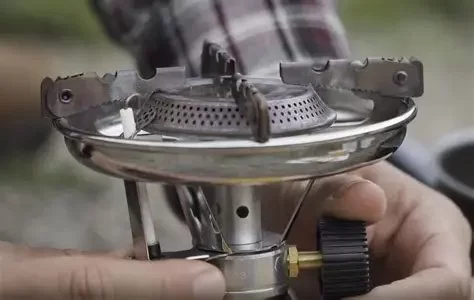
Gas camping stoves are popular for their compact design and fast heating. They are often favored by backpackers who value lightweight gear and predictable performance. These stoves tend to boil water quickly, making them ideal for simple meals and hot drinks.
Propane stoves are commonly seen at car camping sites. They offer stable heat control and work well for larger cookware. Many campers appreciate how familiar they feel, especially when cooking for groups. Their reliability in varying weather conditions adds to their appeal.
Wood-burning stoves attract campers who enjoy a more traditional or minimalist approach. They rely on natural fuel sources and reduce the need to carry canisters. However, they require patience, attention, and awareness of local fire regulations, which can vary by location.
Matching Stove Choices to Your Camping Style
The best stove is the one that fits how you camp. Solo hikers often prioritize weight and simplicity, while family campers focus on cooking space and stability. Weekend campers may value ease of setup, whereas longer trips benefit from fuel efficiency and durability.
Location also matters. Some parks restrict wood use during dry seasons, while others encourage contained wood stoves. Knowing where you camp most often helps narrow your options. Campers staying at well-equipped destinations like Pine Cliff Resort often prefer stoves that balance performance with comfort, especially when cooking becomes part of the experience.
Real Stories From Campers Who Learned the Hard Way
One frequently shared story online involves a first-time camper who brought a lightweight gas stove for a group trip. While it worked perfectly for boiling water, it struggled with larger meals, leading to long cooking times and cold food. The experience taught them that matching stove capacity to group size is just as important as fuel type.
Another camper described switching to a wood stove for a quieter, more immersive experience. While they loved the atmosphere, they later realized how weather and local restrictions affected usability. These stories highlight that no stove is universally perfect; success comes from informed choices.
Using Camping Stoves With Confidence and Care
Using a camping stove effectively starts with understanding its limitations. Stable placement, proper ventilation, and mindful fuel use all contribute to a smoother experience. Campers who take time to learn their stove at home often feel more confident once outdoors.
Efficiency also improves with planning. Preparing simple meals, organizing ingredients, and timing cooking tasks reduce fuel use and stress. Many experienced campers treat their stove as part of a system rather than a standalone tool.
Building a Reliable Camping Kitchen Over Time
A camping stove is rarely a one-time purchase. As camping styles evolve, so do kitchen needs. Some people start with basic setups and gradually refine their gear based on real-world experience. This approach builds confidence and avoids unnecessary spending.
Learning how to choose and use a camping stove becomes easier when supported by trusted locations and resources. Campers who stay at places like Pine Cliff Resort often discover what works best for them through hands-on experience, shared tips, and repeated trips. Over time, the right stove becomes less about equipment and more about the memories built around it.
Trinity Lake Resort & Marina
45810 CA-3, Trinity Center, CA 96091, USA
Visit Location PagePigeon Point Campground
Helena, CA 96042, USA
Visit Location Page