
Learn how to choose the right backpacking stove by comparing stove types, key features, real-world scenarios, and expert tips for reliable outdoor cooking.
- how-to-choose-the-right-backpacking-stove#why-the-right-backpacking-stove-matters-more-than-you-think
- how-to-choose-the-right-backpacking-stove#understanding-the-main-types-of-backpacking-stoves
- how-to-choose-the-right-backpacking-stove#key-factors-to-consider-before-buying
- how-to-choose-the-right-backpacking-stove#real-world-scenarios-from-experienced-backpackers
- how-to-choose-the-right-backpacking-stove#matching-your-stove-to-your-backpacking-style
- how-to-choose-the-right-backpacking-stove#common-mistakes-first-time-buyers-make
- how-to-choose-the-right-backpacking-stove#making-a-confident-final-choice
Why the Right Backpacking Stove Matters More Than You Think
Choosing a backpacking stove might seem like a small decision, but anyone who has cooked a meal after a long day on the trail knows how critical it is. A reliable stove doesn’t just heat food. It restores energy, boosts morale, and sometimes becomes the difference between a comfortable night and a miserable one.
I learned this the hard way on an early backpacking trip when my stove struggled in cold, windy conditions. Dinner took forever, fuel burned faster than expected, and frustration replaced what should have been a relaxing evening. That experience completely changed how I approach choosing the right backpacking stove.
Understanding the Main Types of Backpacking Stoves
1. Canister Stoves
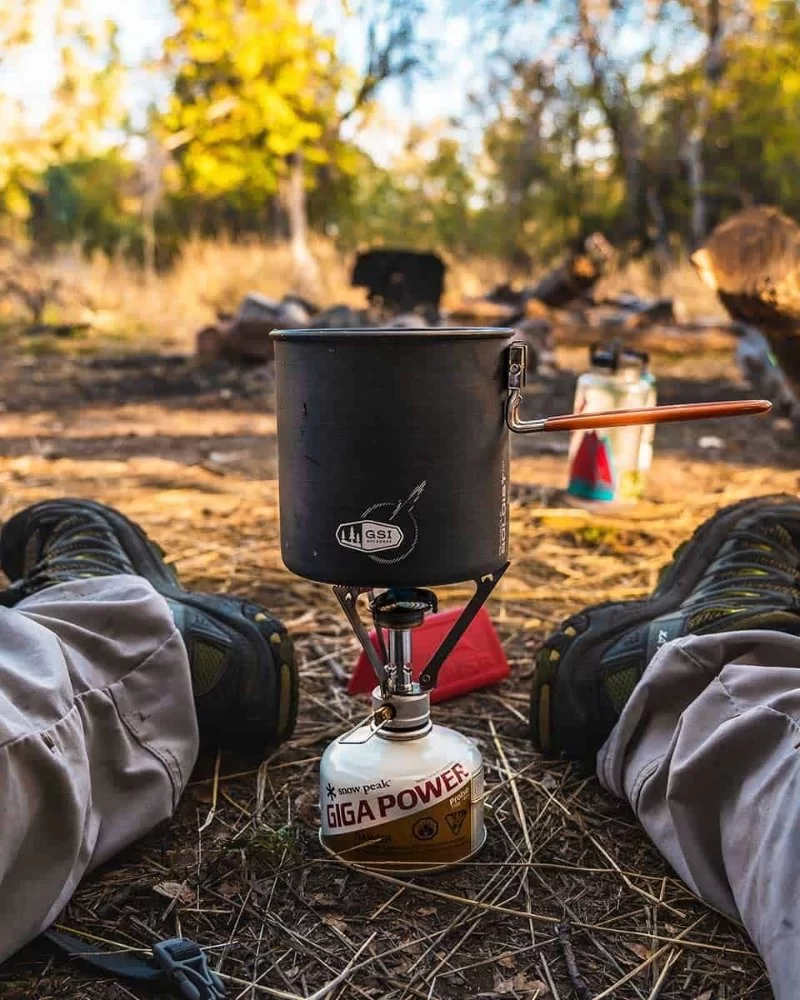
Canister stoves are among the most popular options for backpackers in the U.S. They are lightweight, easy to use, and ignite quickly. For beginners or casual backpackers, these stoves offer simplicity and consistent performance in mild conditions.
However, they can struggle in very cold temperatures and high winds unless paired with proper wind protection.
2. Liquid Fuel Stoves
Liquid fuel stoves are known for reliability in extreme environments. They perform well in cold weather and at higher elevations. While heavier and more complex to operate, they are often favored by long-distance hikers and mountaineers.
These stoves require more maintenance, but their durability makes them dependable for challenging trips.
3. Alcohol Stoves
Alcohol stoves appeal to ultralight backpackers. They are simple, lightweight, and nearly silent. While they lack power and speed, they work well for minimalists who prioritize weight savings over convenience.
4. Wood-Burning Stoves
Wood stoves eliminate the need to carry fuel, using twigs and natural debris instead. They can be satisfying to use but depend heavily on environmental conditions and may not be permitted in all areas.
Key Factors to Consider Before Buying
1. Weight and Packability
Every ounce matters when backpacking. A stove should fit your weight goals without sacrificing reliability. Compact stoves with foldable components often strike the best balance.
2. Cooking Style and Group Size
If you primarily boil water for dehydrated meals, a simple stove works well. If you enjoy cooking full meals or travel with others, stability and flame control become more important.
3. Fuel Availability and Efficiency
Fuel type matters, especially on longer trips. Canister availability varies by region, while liquid fuels are easier to source internationally. Efficiency affects how much fuel you need to carry.
4. Weather and Environment
Wind, temperature, and altitude all impact stove performance. Choosing a stove suited to your typical conditions helps avoid unpleasant surprises on the trail.
Real-World Scenarios from Experienced Backpackers
I once met a hiker who switched from a lightweight canister stove to a liquid fuel model after repeated cold-weather failures. The extra weight was worth the peace of mind during early spring trips.
Another backpacker I spoke with preferred a compact stove paired with a simple windscreen. That small adjustment drastically improved efficiency without upgrading the entire system.
These stories highlight an important lesson: the “best” stove depends on how and where you actually hike.
Matching Your Stove to Your Backpacking Style
1. Weekend Backpackers
Short trips with predictable conditions favor simplicity. A lightweight canister stove offers quick setup and minimal fuss.
2. Thru-Hikers and Long-Distance Travelers
Reliability and fuel logistics matter more over time. Many long-distance hikers choose systems that balance durability and efficiency.
3. Comfort-Oriented Campers
For those who value relaxed evenings and warm meals, stable stoves with good flame control enhance the overall experience.
Resorts like Pine Cliff Resort often see guests preparing for extended outdoor adventures, and the most confident travelers are those who test and understand their gear well before setting out.
Common Mistakes First-Time Buyers Make
1. Choosing Based on Weight Alone
Ultralight options are appealing, but reliability and performance should never be overlooked.
2. Ignoring Local Regulations
Some areas restrict certain stove types due to fire risk. Always check regulations before your trip.
3. Skipping Practice Runs
Using a stove for the first time in the backcountry is risky. Practice builds confidence and reveals limitations early.
Making a Confident Final Choice
Learning how to choose the right backpacking stove is about understanding your habits, conditions, and expectations. No single stove is perfect for every trip, but the right match makes outdoor cooking effortless and enjoyable.
A well-chosen stove becomes part of your routine, not a source of stress. When your gear works as expected, you’re free to focus on the landscape, the quiet, and the experience that brought you outdoors in the first place.
River Birch Campground
Thomson, IL 61285, USA
Visit Location PageCamp Kerrthedral
3876 Medina Hwy, Kerrville, TX 78028, USA
Visit Location Page