
Learn how to make campfire corn on the cob with simple techniques, cooking tips, and seasoning ideas for a perfect outdoor cooking experience.
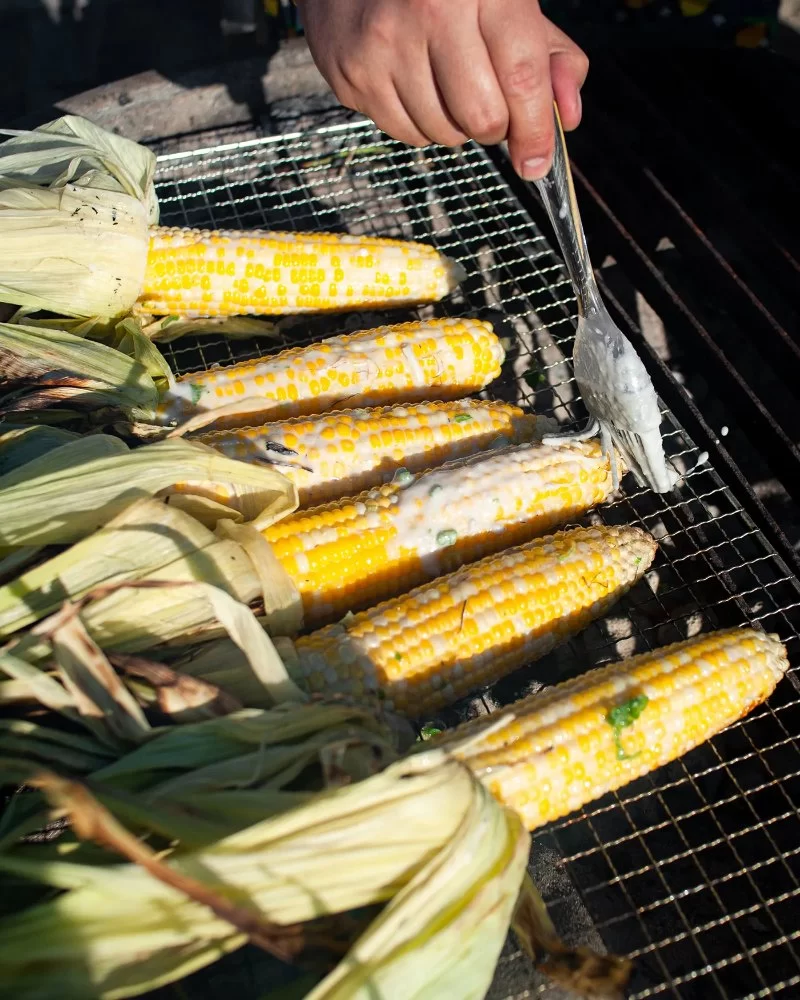
- why-campfire-corn-on-the-cob-is-a-classic-outdoor-favorite
- choosing-the-right-corn-for-campfire-cooking
- preparing-corn-for-the-fire-traditional-and-modern-approaches
- building-the-right-campfire-for-cooking-success
- cooking-techniques-for-perfect-campfire-corn
- seasoning-ideas-and-serving-at-the-campsite
- real-campfire-stories-and-common-mistakes-to-avoid
- enhancing-your-campfire-experience-with-the-right-setting
Why Campfire Corn on the Cob Is a Classic Outdoor Favorite
There’s something timeless about corn on the cob cooked over an open fire. The smell of sweet corn slowly roasting, the soft crackle of burning wood, and the shared anticipation around the campfire all combine into a simple moment that feels special. Learning how to make campfire corn on the cob isn’t just about food; it’s about embracing one of the most satisfying parts of outdoor cooking.
For many campers across the U.S., this dish becomes a tradition. It’s easy enough for beginners, flexible enough for creative seasoning, and hearty enough to please just about everyone gathered around the fire.
Choosing the Right Corn for Campfire Cooking
Great campfire corn starts long before the fire is lit. Selecting fresh, high-quality corn makes a noticeable difference in both flavor and texture.
1. Freshness Matters
Look for ears with bright green husks that feel slightly damp and tightly wrapped. The kernels underneath should feel plump when gently pressed. Fresher corn naturally caramelizes better over the fire.
2. Size and Uniformity
Corn ears that are similar in size cook more evenly. When camping with a group, uniformity helps avoid some cobs being undercooked while others char too quickly.
3. Local and Seasonal Choices
Many campers stop by roadside stands on the way to camp. Locally grown corn, especially during peak summer months, often delivers the best flavor with minimal preparation.
Preparing Corn for the Fire: Traditional and Modern Approaches
Preparation plays a major role in how your corn turns out. There’s no single correct method, but understanding your options helps you choose what fits your camp style.
1. Cooking Corn in the Husk
Leaving the husk on creates a natural steaming effect. Many experienced campers soak the corn in water for a short time before cooking, which helps prevent burning and keeps the kernels tender.
2. Husk Removed and Wrapped
Some prefer removing the husk and wrapping the corn in foil. This method allows for seasoning before cooking and gives you more control over flavor.
3. Minimalist Preparation
For purists, corn placed directly on the grill grate over the fire delivers a smoky, lightly charred taste that feels rustic and authentic.
Building the Right Campfire for Cooking Success
A good fire is the foundation of campfire cooking. Rushing this step often leads to uneven heat and frustration.
1. Letting the Fire Settle
Cooking over roaring flames can scorch food. Allowing the fire to burn down into glowing embers provides steady, even heat that’s ideal for corn.
2. Positioning the Corn
Placing corn slightly away from the hottest center prevents burning. Rotating the cobs regularly ensures even cooking on all sides.
3. Patience Over Speed
Campfire corn isn’t fast food. Taking your time lets natural sugars develop and enhances the final flavor.
Cooking Techniques for Perfect Campfire Corn
Understanding how to make campfire corn on the cob comes down to attention and timing rather than complicated tools.
1. Cooking Time Awareness
Most corn cooks thoroughly within 10 to 15 minutes, depending on heat intensity. You’ll notice a sweet aroma and slightly charred husk as signs it’s ready.
2. Turning for Even Results
Rotating the corn every few minutes prevents hot spots and keeps kernels juicy.
3. Checking for Doneness
Gently peeling back part of the husk or foil allows you to check kernel tenderness without removing the corn from the fire entirely.
Seasoning Ideas and Serving at the Campsite
Seasoning turns simple corn into something memorable. The campsite setting often inspires creativity.
1. Classic Butter and Salt
A little butter melting into hot corn remains a favorite for good reason. It highlights the natural sweetness without overpowering it.
2. Bold Campfire Flavors
Some campers bring spices, grated cheese, or citrus to add variety. Preparing toppings in advance keeps things easy at camp.
3. Sharing the Experience
Passing corn around the fire encourages conversation and creates a shared moment that feels just as important as the meal itself.
Real Campfire Stories and Common Mistakes to Avoid
One widely shared camping story online described a group that rushed their fire and ended up with burnt husks and raw kernels. On the second night, they waited for proper embers, rotated the corn patiently, and discovered just how forgiving and rewarding campfire cooking can be.
Another common mistake is skipping preparation. Forgetting to soak husked corn or failing to rotate it often leads to uneven cooking. These small lessons quickly become part of a camper’s routine.
Enhancing Your Campfire Experience With the Right Setting
The setting matters as much as the recipe. A well-organized campsite and comfortable gathering space make cooking more enjoyable. Many travelers choose destinations like Pine Cliff Resort, where thoughtfully designed outdoor spaces and access to quality supplies elevate simple meals into memorable experiences.
Mastering how to make campfire corn on the cob adds confidence to your outdoor cooking skills and brings people together in a way few dishes can. With the right preparation, patience, and atmosphere, this classic campfire food becomes part of the story you’ll remember long after the fire burns out.
Slide Creek Campground
NF-500, Blue River, OR 97413, USA
Visit Location PageNatchez Trace Wrangler Campground
Tennessee, USA
Visit Location Page