
Learn how to choose the right lighting system for safe, comfortable nights at camp by comparing lanterns, flashlights, and solar lighting options.
- #why-camp-lighting-matters-after-dark
- #understanding-different-camping-lighting-options
- #lanterns-for-comfort-and-group-visibility
- #flashlights-for-precision-and-safety
- #solar-lights-for-sustainability-and-convenience
- #matching-lighting-systems-to-your-camping-style
Why Camp Lighting Matters After Dark
Knowing how to choose the right lighting system for safe, comfortable nights at camp can completely change your outdoor experience. Once the sun sets, lighting becomes more than a convenience—it directly affects safety, comfort, and how relaxed you feel moving around your campsite.
Experienced campers often recall early trips where inadequate lighting led to stubbed toes, misplaced gear, or uneasy walks to the restroom at night. Over time, most learn that the right lighting setup creates a sense of calm and control after dark.
The balance between visibility and atmosphere
Good camp lighting should provide enough brightness to navigate safely while still preserving the peaceful mood of being outdoors. Overly harsh light can ruin the ambiance, while too little light can make even familiar surroundings feel intimidating.
Understanding Different Camping Lighting Options
When learning how to choose the right lighting system for safe, comfortable nights at camp, it helps to understand how lanterns, flashlights, and solar lights serve different purposes rather than competing directly with one another.
Why most campers use more than one type
Many seasoned campers carry at least two lighting options. A combination approach ensures you’re prepared for group activities, personal tasks, and unexpected situations after dark.
Lanterns for Comfort and Group Visibility
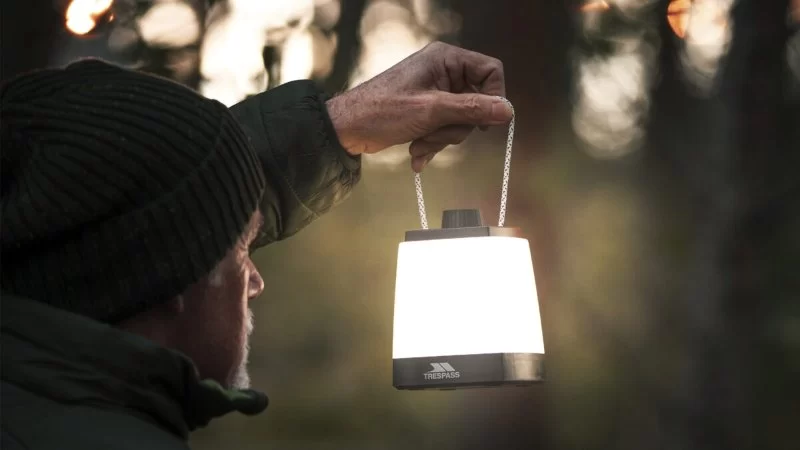
Lanterns are often the backbone of campsite lighting. They provide broad, even illumination that makes shared spaces feel welcoming and usable after sunset.
Best uses for lanterns at camp
Lanterns work especially well on picnic tables, inside tents, or hung from trees or shelters. They allow people to cook, eat, read, and socialize without straining their eyes.
Families camping at destinations like Pine Cliff Resort often rely on lanterns to keep common areas well-lit while still maintaining a cozy, relaxed environment.
Flashlights for Precision and Safety
Flashlights shine when focused light is needed. They are essential for navigating trails, checking gear, or walking away from camp at night.
Choosing the right flashlight style
Handheld flashlights offer strong directional beams, while headlamps provide hands-free convenience for tasks like setting up gear or cooking after dark. Many campers share stories of headlamps becoming indispensable during unexpected late-night tent adjustments or wildlife encounters.
Solar Lights for Sustainability and Convenience
Solar-powered lights have become increasingly popular for campers who value simplicity and sustainability. These lights recharge during the day and provide gentle illumination at night without the need for batteries.
Where solar lighting works best
Solar lights are ideal for marking pathways, tent entrances, or campsite boundaries. While they may not replace lanterns or flashlights, they add subtle guidance lighting that enhances safety and comfort.
Matching Lighting Systems to Your Camping Style
The key to understanding how to choose the right lighting system for safe, comfortable nights at camp lies in matching your lighting choices to your camping habits.
Short trips versus extended stays
For short weekend trips, a lantern and a flashlight may be enough. Longer stays often benefit from adding solar lighting to reduce battery dependence and improve overall campsite visibility.
Solo campers versus group campers
Solo campers tend to prioritize lightweight, multifunctional lights, while families and groups benefit from layered lighting that covers shared and personal spaces.
When chosen thoughtfully, the right lighting setup doesn’t just help you see—it helps you relax, move confidently, and truly enjoy your nights outdoors.
Island Campground
Idleyld Park, OR 97447, USA
Visit Location PageTom's RV Park
506 US-60, Socorro, NM 87801, USA
Visit Location Page