
Learn how to choose the perfect shelter for rainforest or humid camping. Compare tents, hammocks, and tarps for proper ventilation, durability, and moisture management.
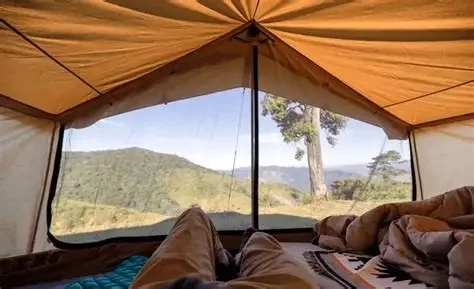
How to Choose the Right Shelter Setup for Rainforest or Humid Camping — Ventilation, Durability, and Moisture Management Compared
1. Introduction: The Importance of Choosing the Right Shelter for Humid Environments
When it comes to camping in humid environments such as rainforests, selecting the right shelter setup is crucial for ensuring both comfort and safety. High humidity, constant rain, and unpredictable weather conditions can challenge even the most experienced campers. This guide will walk you through the key factors to consider when choosing a shelter for rainforest or humid camping, including ventilation, durability, and moisture management.
2. Key Factors in Choosing the Best Shelter for Rainforest Camping
2.1. Ventilation: The Key to Combatting Humidity
One of the most important factors to consider when selecting a shelter is ventilation. In humid environments, condensation is inevitable, and without proper airflow, your shelter could become damp, musty, and uncomfortable. A well-ventilated tent will help reduce the buildup of moisture inside, keeping the air fresh and preventing mildew growth.
Look for tents with mesh windows, vent flaps, or full-coverage rain flies with vents that allow airflow without letting water inside. This will help ensure that air circulates freely, preventing moisture from accumulating inside your shelter. Tents with "high-low" ventilation are particularly effective in ensuring that humid air can escape while fresh air is drawn in from lower vents.
2.2. Durability: Handling the Elements
Durability is another essential consideration when selecting a shelter for rainforest camping. The rainforests are notorious for their heavy rainfall and high winds. You’ll need a shelter that can withstand constant exposure to these elements without deteriorating quickly.
Opt for tents made from high-quality, waterproof materials such as polyester or nylon, with sealed seams to prevent water from seeping in. Additionally, a strong frame is essential—look for tents with aluminum or steel poles that can withstand the weight of rain and the forces of the wind.
2.3. Moisture Management: Keeping Your Gear Dry
Moisture management is one of the biggest challenges when camping in humid environments. A tent with good water-resistant properties is essential, but it's equally important to consider how you’ll manage the moisture inside the shelter. Even if the outside of your tent remains dry, humidity can cause your gear to become damp.
To combat this, consider using a tent footprint or groundsheet to protect the bottom of your shelter from wet ground. You should also use dry bags for your clothing and gear to keep them safe from moisture. Make sure you store food and personal items in waterproof bags or containers to prevent them from absorbing moisture.
3. Comparing Popular Shelter Options for Rainforest Camping
3.1. Traditional Tents
Traditional tents are a popular choice for rainforest camping due to their balance of portability and durability. Most modern tents are designed with water resistance in mind and feature features like rain flies, mesh panels for ventilation, and sturdy construction to withstand harsh weather.
When choosing a traditional tent, look for models specifically designed for wet conditions. Brands like REI, The North Face, and Big Agnes offer high-quality tents built for durability and moisture management in humid environments. Remember to check the tent’s waterproof rating and ensure it has multiple ventilation options.
3.2. Hammock Tents
For those who prefer a lighter shelter, hammock tents are a great option for rainforest camping. These suspended tents keep you off the wet ground, preventing moisture from seeping into your sleeping area. Many hammock tents come with integrated rain flies and mosquito nets, making them ideal for tropical conditions.
However, hammock tents require you to find suitable trees for hanging, which can sometimes be a challenge in certain areas. Also, while they offer excellent ventilation, they may not provide as much protection from the elements compared to traditional tents.
3.3. Tarps and Shelters
Tarps and open shelters are lightweight, minimalist alternatives for campers who want to travel light. While they provide less protection from rain and insects, they do offer superior ventilation and are easier to set up than traditional tents. Tarps are a great option for experienced campers who are familiar with how to set up shelter in the rainforest and don’t mind more exposure to the elements.
Consider using a tarp in combination with a mosquito net for maximum comfort. This setup provides ample airflow while still protecting you from rain and insects.
4. Real-Life Story: Camping in the Amazon Rainforest
A seasoned backpacker named Sarah shares her experience of camping in the Amazon rainforest. She recounts how she used a traditional tent with excellent ventilation and a durable rain fly, which kept her dry despite the heavy rains. However, Sarah also highlights the importance of proper moisture management, as condensation inside her tent caused some of her gear to become damp.
Sarah advises future rainforest campers to pack moisture-wicking clothing, use waterproof bags, and always prioritize proper ventilation in their shelters. She also recommends packing a portable dehumidifier if you're concerned about excessive moisture inside your tent.
5. Conclusion: Making the Right Choice for a Comfortable Camping Experience
Choosing the right shelter for rainforest or humid camping is vital for ensuring a comfortable and safe experience. Prioritize ventilation, durability, and moisture management when selecting your tent, hammock, or tarp. With the right setup, you can enjoy your adventure while staying dry and protected from the elements.
For more tips on camping gear and shelter options, visit Pine Cliff Resort for the best recommendations and products.
Castle Creek Trailhead
Castle Creek Rd, Aspen, CO 81611, USA
Visit Location PageCLEAR CREEK (MS) (recgovnpsdata)
2400 Hwy 315 Scenic Route,, Oxford, MS 38655, USA
Visit Location Page