
Learn how to choose the perfect sleeping pad for your camping or hiking trip to ensure comfort and insulation. Explore factors like thickness, material, and size for optimal outdoor rest.
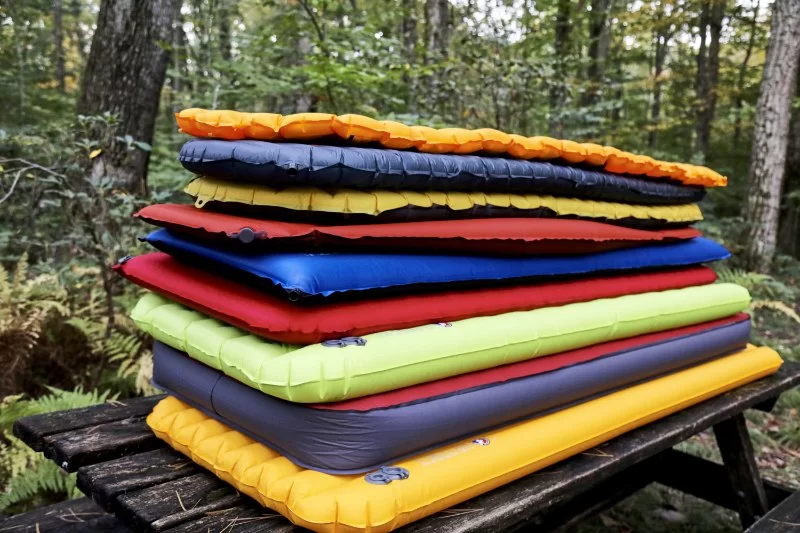
How to Choose the Right Sleeping Pad for Comfort and Insulation
If you love outdoor adventures, from camping trips to hiking expeditions, you understand how important it is to have a good night’s sleep in nature. A sleeping pad is one of the most important pieces of gear that can make or break your comfort level during a camping trip. Whether you're a seasoned camper or a beginner, choosing the right sleeping pad for comfort and insulation is crucial for ensuring restful nights under the stars. In this guide, we'll walk you through everything you need to know to select the best sleeping pad for your needs.
1. Why the Right Sleeping Pad Matters
A good sleeping pad isn’t just about comfort; it plays a critical role in insulation. While a warm sleeping bag will keep you cozy, it’s the sleeping pad that acts as a barrier between you and the cold ground. Without adequate insulation, even the best sleeping bag won’t keep you warm. A sleeping pad also helps cushion you from rocky or uneven surfaces, making it easier to sleep through the night without waking up with aches and pains.
Whether you're camping in the desert, the mountains, or by the lake, choosing a sleeping pad that suits your specific needs will greatly enhance your experience. Let’s dive into how to select the best sleeping pad for comfort and insulation based on various factors.
2. Factors to Consider When Choosing a Sleeping Pad
When selecting the perfect sleeping pad for your next camping or hiking trip, there are several factors to keep in mind. These factors will determine your overall comfort and warmth during the night:
2.1. Thickness and Cushioning
The thickness of your sleeping pad plays a significant role in its comfort level. Thicker pads provide more cushioning, which is beneficial for sleeping on uneven or hard ground. If you’re hiking or camping in areas with rough terrain, a thicker pad will provide better comfort. However, thicker pads may also be bulkier and heavier, so they’re not always ideal for backpacking trips where weight is a concern.
2.2. Insulation and R-Value
Insulation is key for staying warm, especially in cooler climates. The R-value of a sleeping pad measures its thermal resistance, which indicates how well it will insulate you from the cold ground. Higher R-values (typically 4 or more) are ideal for colder environments, while a lower R-value (1–3) is sufficient for warmer climates. It’s important to choose a sleeping pad with an appropriate R-value for the conditions you’ll be camping in.
2.3. Material and Durability
Sleeping pads are made from a variety of materials, such as foam, air-filled, or hybrid designs. Foam pads are durable, lightweight, and provide great insulation but can be bulkier. Air pads are more compact and provide superior comfort but may be more susceptible to punctures. Hybrid pads combine the best of both worlds, offering comfort and durability. Consider how rough your environment might be and choose a material that matches your needs.
2.4. Weight and Packability
If you're backpacking, the weight of your sleeping pad is crucial. Lightweight, compact pads are easy to carry and won't take up much space in your backpack. However, you may need to sacrifice a bit of comfort or insulation for lighter options. If comfort and warmth are your priorities and you're camping by car, weight and packability may not be as critical, and you can opt for a thicker, more comfortable pad.
3. Types of Sleeping Pads
There are a few different types of sleeping pads, each designed to meet specific needs. Here’s a breakdown of the most common options:
3.1. Self-Inflating Pads
Self-inflating pads are a popular choice for many campers due to their convenience. These pads use foam insulation inside and can be inflated by opening a valve. They provide good insulation and comfort, especially for those who prefer a blend of air and foam. However, they tend to be bulkier than pure air pads, so they’re not always the best option for backpacking trips.
3.2. Air Pads
Air pads are lightweight and compact, making them perfect for backpackers looking to save space and weight. These pads rely on air for insulation, and while they’re comfortable, they often require more maintenance (like pumping them up). Higher-end air pads come with additional insulation layers to help with thermal resistance, making them versatile for various weather conditions.
3.3. Foam Pads
Foam pads are the most durable and affordable option, offering excellent insulation. They’re a popular choice for those on a budget or campers who are more concerned about durability than comfort. While they aren’t as comfortable as air or self-inflating pads, they’re often used as a base layer or backup option.
4. Real-Life Example: Choosing the Best Pad for a Winter Camping Trip
Let’s say you’re planning a winter camping trip in the Rocky Mountains. The temperatures can drop significantly, and the ground will likely be covered in snow. In this scenario, an air pad with a high R-value (around 5 or higher) would be your best bet for insulation. Combine it with a self-inflating foam pad for extra cushioning and warmth. This setup will keep you comfortable and warm even in freezing conditions.
On the other hand, if you were planning a summer camping trip in the desert, a lightweight air pad with a lower R-value would be a better choice. It will keep you comfortable while ensuring you’re not carrying unnecessary weight. The key is to choose based on the specific conditions you’ll encounter.
5. Conclusion: How to Choose the Best Sleeping Pad for Your Needs
Choosing the right sleeping pad for comfort and insulation is essential for ensuring a restful and enjoyable outdoor experience. By considering factors such as thickness, insulation, material, weight, and your specific camping needs, you can select a pad that will keep you comfortable and protected from the cold ground. Whether you’re embarking on a summer backpacking trip or a winter camping adventure, the right sleeping pad will make all the difference.
If you’re ready to find the perfect sleeping pad for your next adventure, visit Pine Cliff Resort, where we offer the best outdoor gear and advice to help you sleep comfortably under the stars.
Rincon 1 Campground
Rincon Loop, Redford, TX 79846, USA
Visit Location PageSeal Rock Campground
Brinnon, WA 98320, USA
Visit Location Page