
Learn how to choose the right sleeping pad thickness for ultimate comfort and heat retention. Discover how thickness affects your camping experience, and make the best choice for all seasons.
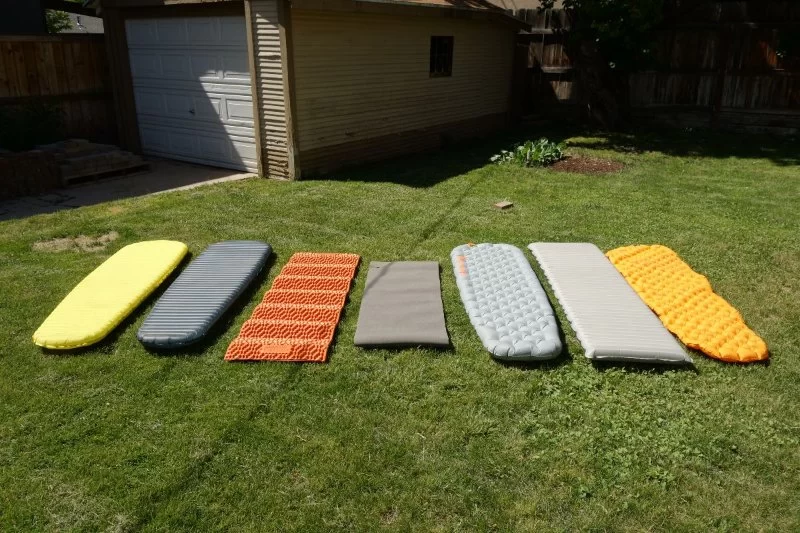
How to Choose the Right Sleeping Pad Thickness for Comfort and Heat Retention
Choosing the right sleeping pad is a critical factor in ensuring a comfortable and restful sleep during your camping adventures. One of the most important considerations when selecting a sleeping pad is its thickness, which plays a vital role in both comfort and heat retention. In this article, we’ll discuss the different aspects of sleeping pad thickness, how it impacts your sleep quality, and the best choices for various camping conditions.
1. Why Thickness Matters for Comfort and Heat Retention
The thickness of your sleeping pad directly affects both comfort and warmth, two key factors for a good night’s sleep outdoors. Let’s break down how the thickness plays a role in these two areas:
1.1 Comfort
A thicker sleeping pad provides more cushioning and can significantly improve your comfort level, especially if you're camping on rocky or uneven ground. Thicker pads tend to distribute your weight more evenly, reducing pressure points and allowing you to sleep more soundly. They can also act as a barrier against the hard ground, providing a smoother and softer surface.
1.2 Heat Retention
When it comes to heat retention, thicker sleeping pads offer better insulation. This is especially important in colder environments, where a thin pad may not offer enough protection from the cold ground. A thicker pad traps more air within the foam or other insulating materials, which helps to maintain body heat and keep you warm throughout the night.
2. Types of Sleeping Pads and Their Thickness
Sleeping pads come in various types, each designed with different materials and thickness levels to cater to specific needs. Let’s explore the main types and how their thickness affects their performance:
2.1 Air Pads
Air pads are typically the lightest and most compact option. These pads are inflated to your desired thickness and can be adjusted for comfort. They tend to be thinner compared to foam pads but offer the benefit of portability. For warmer climates or lightweight backpacking trips, a thinner air pad may be sufficient. However, for colder weather or more rugged terrain, thicker air pads with extra insulation are a better choice.
2.2 Foam Pads
Foam pads are made from durable, closed-cell foam and tend to be thicker than air pads. They provide excellent insulation and can handle rough conditions without deflating. These pads are often chosen for their reliability and heat retention properties, making them ideal for cold weather camping. Their thickness adds more cushioning, which can be beneficial for sleeping on uneven surfaces.
2.3 Self-Inflating Pads
Self-inflating pads combine the benefits of air and foam pads. These pads have an internal foam layer that expands when the valve is opened, allowing the pad to self-inflate to a certain degree. Depending on the thickness and the amount of air you add, you can adjust the pad’s firmness and comfort level. They offer good insulation and cushioning, making them versatile for most camping conditions.
3. Determining the Right Thickness Based on Climate
The climate you’ll be camping in plays a huge role in determining the ideal thickness for your sleeping pad. Here’s a guide to help you choose based on temperature conditions:
3.1 Warm Weather
If you're camping in warmer climates where temperatures stay above 60°F (15°C), you can opt for a thinner sleeping pad. A pad with a thickness of around 1 to 2 inches is typically sufficient for comfort, as you won’t need as much insulation. Thin air or foam pads will provide adequate comfort and support for hot weather camping.
3.2 Cold Weather
For camping in colder weather, you'll want a thicker sleeping pad to provide better insulation and heat retention. Pads with a thickness of 3 inches or more are ideal for maintaining warmth. In extreme cold or winter camping, a combination of a thicker sleeping pad with a high R-value (which measures insulation effectiveness) can be the difference between a warm, restful sleep and a miserable night on the cold ground.
3.3 All-Season Camping
If you plan to camp in various conditions throughout the year, consider a medium-thickness pad that strikes a balance between comfort and warmth. A pad that’s about 2 to 3 inches thick should provide comfort for most temperatures, though you may want to layer it with an additional pad for winter conditions. Self-inflating and foam pads are often a good option for year-round camping.
4. Key Features to Look for in a Sleeping Pad
When selecting the right sleeping pad thickness, consider the following features to ensure optimal comfort and heat retention:
4.1 R-Value
The R-value of a sleeping pad indicates its thermal resistance. The higher the R-value, the better the pad’s insulation. For warmer climates, an R-value of 1 to 2 is usually sufficient. For colder environments, you’ll want a pad with an R-value of 3 or higher. For winter camping, a pad with an R-value of 5 or more is ideal.
4.2 Material and Construction
The material and construction of your sleeping pad also impact its performance. Air pads typically have higher R-values when filled with insulating materials like down or synthetic fibers. Foam pads are excellent for insulation but can be bulkier. Self-inflating pads provide a good balance between insulation and convenience.
4.3 Size and Weight
Consider the size and weight of your sleeping pad, especially if you're backpacking. Larger pads tend to be thicker and more comfortable but are bulkier. If weight and space are a concern, look for thinner options that still provide enough comfort for your needs.
5. Where to Buy the Best Sleeping Pads
If you’re ready to find the perfect sleeping pad for your next adventure, check out Pine Cliff Resort for a wide selection of camping gear, including sleeping pads for all seasons. Whether you're looking for extra cushioning or a pad that will keep you warm in freezing temperatures, you’ll find the right product for your needs.
5.1 Online vs. In-Store Shopping
When shopping for a sleeping pad, online shopping offers a broader selection and often better prices. However, if you’re unsure about the thickness or comfort, visiting a store in person can help you test different options. Many outdoor retailers have displays where you can feel the pad’s firmness and thickness.
6. Conclusion: Choosing the Right Sleeping Pad Thickness
The thickness of your sleeping pad plays a significant role in both comfort and heat retention, making it essential to choose the right one for your specific camping needs. By considering the climate, the type of pad, and your personal preferences, you can find a sleeping pad that will ensure a comfortable and restful night outdoors. Don’t forget to check out Pine Cliff Resort for expert advice and top-quality camping gear!
Pikes Peak Of Ohio
75959 Vandalia Ln, Kimbolton, OH 43749, USA
Visit Location PageJellystone Park™ Birchwood Acres
85 Martinfeld Rd, Greenfield Park, NY 12435, USA
Visit Location Page