Discover how to find free campsites across the U.S. with our guide to dispersed camping, BLM lands, and public forests. Learn essential tips and tools for your next camping adventure, and find gear at Pine Cliff Resort.
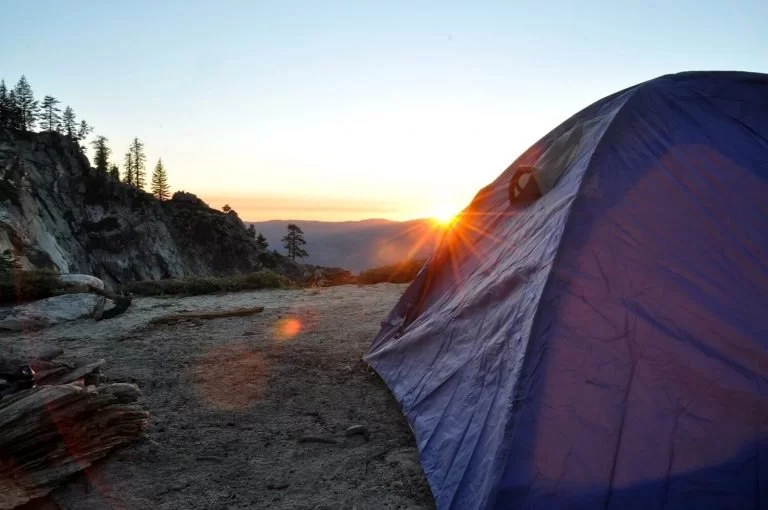
How to Find Free Campsites — Dispersed Camping, BLM Lands and Public Forests Explored
- 1. Understanding Dispersed Camping
- 2. Exploring BLM Lands for Free Camping
- 3. Camping in Public Forests
- 4. How to Find Free Campsites Near You
- 5. Tips for Successful Free Camping
1. Understanding Dispersed Camping
Dispersed camping refers to camping outside of developed campgrounds, typically on public lands such as National Forests or Bureau of Land Management (BLM) lands. This type of camping offers a more rugged, off-the-beaten-path experience, allowing campers to enjoy solitude and immerse themselves in nature. The best part? Dispersed camping is often free, although some areas may require a permit. Unlike traditional campgrounds, there are no designated sites or amenities, so it’s up to you to find a suitable spot and set up camp. It’s a great option for adventurous campers looking to get away from crowded campgrounds and enjoy the beauty of the outdoors.
2. Exploring BLM Lands for Free Camping
The Bureau of Land Management (BLM) manages over 245 million acres of public land in the United States, much of which is open for dispersed camping. These lands are scattered across the country, offering endless opportunities for free camping. BLM lands provide a great way to experience the wilderness while avoiding the crowds often found in more popular National Parks. When camping on BLM lands, you’ll find a variety of landscapes, from deserts to mountains, with few or no facilities. Keep in mind that some BLM regions may have specific rules or designated camping areas, so it’s essential to check with local BLM offices or websites before heading out.
3. Camping in Public Forests
Public forests, particularly National Forests managed by the U.S. Forest Service, are another excellent option for free camping. These vast areas offer a wide variety of outdoor experiences, including forests, lakes, and scenic vistas. In most National Forests, dispersed camping is allowed in undeveloped areas, and like BLM lands, it’s typically free of charge. However, some areas may have restrictions to protect sensitive ecosystems or wildlife, so always check for specific rules or seasonal closures. National Forests are often more accessible than remote BLM lands, making them a great choice for those looking to camp in a natural setting without the cost.
4. How to Find Free Campsites Near You
Finding free campsites near you is easier than ever with a few helpful tools. Here are some ways to discover free camping spots:
- Online Resources: Websites like FreeCampsites.net and Campendium provide comprehensive listings of free camping locations across the U.S. These sites include reviews, maps, and details about what to expect at each location.
- Mobile Apps: Apps like iOverlander and The Dyrt offer user-generated content, allowing you to find free campsites, read reviews, and get directions directly on your phone.
- Public Land Databases: Both the BLM and U.S. Forest Service websites provide maps and resources for finding dispersed camping locations on public lands. These sites also offer detailed information about any permits or restrictions that may apply.
By utilizing these resources, you can easily find free camping spots near you and explore the beauty of public lands without breaking the bank.
5. Tips for Successful Free Camping
While free camping offers a great way to connect with nature, it also comes with its challenges. Here are a few tips for ensuring a successful and enjoyable experience:
- Be Prepared: Unlike developed campgrounds, free campsites often lack basic amenities such as water, bathrooms, and trash disposal. Be sure to bring plenty of water, a portable toilet, and trash bags to leave no trace behind.
- Follow Leave No Trace Principles: Practice good stewardship of the land by following Leave No Trace principles. Pack out all waste, avoid making new campsites, and respect wildlife.
- Check Local Regulations: Always check for any specific rules or seasonal closures for the area you plan to camp in. Some public lands may have fire restrictions or specific camping limits to protect the environment.
- Stay Safe: Free campsites can be remote, so always let someone know where you’ll be, especially if you’re camping in more isolated areas. Bring a map, GPS device, and a first aid kit to stay safe during your trip.
For a great selection of camping gear, check out Pine Cliff Resort for all the essentials you’ll need for your next free camping adventure. Whether you're seeking a tent, sleeping bag, or camping stove, they have everything to ensure your trip is comfortable and safe.
Little Round Valley Campground
California, USA
Visit Location PageKanakadea Recreation Area
Danville, Hornell, NY 14843, USA
Visit Location Page