
Learn how to plan a camping trip perfect for stargazing, hiking, peace, and relaxation with a complete outdoor itinerary designed for nature lovers.
- choosing-the-right-camping-location
- planning-for-stargazing-success
- designing-a-balanced-daily-itinerary
- gear-and-comfort-essentials
- mindful-hiking-and-nature-connection
- real-camping-experience-story
- creating-a-restorative-camping-experience
Choosing a Camping Location That Supports Stargazing and Peace
The foundation of a great outdoor experience begins with location. When planning a camping trip focused on stargazing, peace, hiking, and relaxation, distance from urban light pollution matters just as much as scenery.
1. Dark Skies and Natural Surroundings
National forests, high-elevation areas, and remote lakeside regions often provide the darkest skies. These locations naturally reduce noise, artificial light, and crowds, creating ideal conditions for quiet reflection and night sky viewing.
2. Accessibility Without Overcrowding
The best camping destinations strike a balance between remoteness and convenience. Areas that require a short hike or scenic drive tend to attract campers seeking tranquility rather than large social gatherings.
Planning Your Trip Around Stargazing Conditions
Stargazing success depends on timing and preparation more than expensive equipment. Even first-time campers can enjoy breathtaking views with thoughtful planning.
1. Moon Phases and Weather Awareness
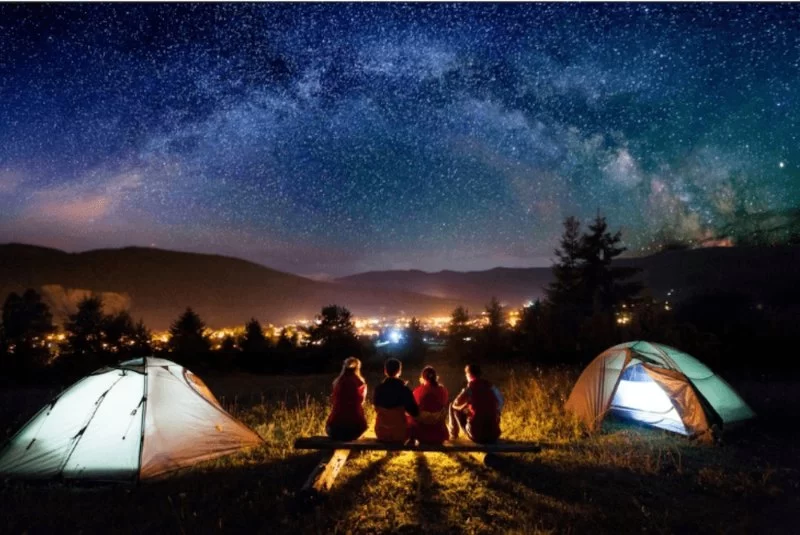
Choosing dates near a new moon dramatically improves visibility of stars, planets, and the Milky Way. Clear forecasts and low humidity also enhance night sky clarity.
2. Creating a Stargazing-Friendly Campsite
Position your campsite away from artificial lights and campfires during observation hours. Simple practices like using red-light flashlights preserve night vision and deepen the experience.
Designing a Camping Itinerary That Balances Activity and Rest
A thoughtful itinerary transforms a basic camping trip into a restorative journey. Instead of overloading each day, intentional pacing allows both adventure and recovery.
1. Morning Calm and Gentle Movement
Early mornings are perfect for light stretching, coffee by the fire, and listening to nature awaken. These quiet hours set a relaxed tone for the day.
2. Midday Hiking and Exploration
Plan hikes during cooler daylight hours, focusing on trails that offer scenic overlooks or water features. Moderate distances encourage exploration without exhaustion.
3. Evenings Focused on Stillness
As daylight fades, slow activities such as journaling, reading, or meditation prepare the body and mind for nighttime stargazing.
Gear Choices That Support Relaxation and Observation
Comfort plays a crucial role in how deeply you can relax outdoors. Thoughtful gear selection reduces stress and enhances enjoyment.
1. Sleep Systems for Deep Rest
A quality sleeping pad, weather-appropriate sleeping bag, and familiar pillow dramatically improve rest. Good sleep is essential for both hiking energy and nighttime stargazing.
2. Stargazing Accessories
Reclining camp chairs, blankets, and simple star maps make night observation comfortable and engaging without overcomplicating the experience.
Hiking With Intention Rather Than Intensity
Hiking during a peaceful camping trip is less about distance and more about awareness. Slowing down encourages deeper connection with the environment.
1. Sensory Awareness on the Trail
Notice textures underfoot, wind through trees, and subtle wildlife sounds. These moments ground the experience and reduce mental noise.
2. Choosing Trails That Inspire Reflection
Trails with water crossings, forest canopies, or open meadows often feel more restorative than steep or crowded routes.
A Real Camping Experience That Redefined Relaxation
A solo camper once planned a weekend focused entirely on disconnecting from screens and reconnecting with nature. By selecting a quiet mountain site, limiting daily hiking miles, and prioritizing stargazing each night, the trip became a reset rather than an endurance challenge.
The most memorable moment came during a silent midnight skywatch, where the Milky Way emerged clearly overhead. That sense of scale and stillness lingered long after returning home.
Turning a Camping Trip Into a Lasting Source of Calm
The most successful camping trips don’t aim to do everything. They create space for stillness, curiosity, and genuine rest.
1. Letting Go of Rigid Schedules
Flexibility allows you to follow energy levels, weather changes, and spontaneous moments that often become the most meaningful memories.
2. Choosing Supportive Destinations
Campgrounds and nature-focused retreats such as Pine Cliff Resort naturally support peaceful outdoor experiences, offering scenic surroundings while preserving tranquility.
Learning how to plan a camping trip that’s great for stargazing, peace, hiking, and relaxation transforms time outdoors into a deeply rewarding experience. With thoughtful planning and intentional pacing, nature becomes not just a destination, but a place to truly recharge.
Sheep Creek Ranch
Riggins, ID 83549, USA
Visit Location PageTickfaw State Park
27225 Patterson Rd, Springfield, LA 70462, USA
Visit Location Page