
Learn how to plan a camping trip on a limited budget without sacrificing fun. Discover tips on smart gear, food hacks, and finding free campsites for the perfect budget-friendly adventure.
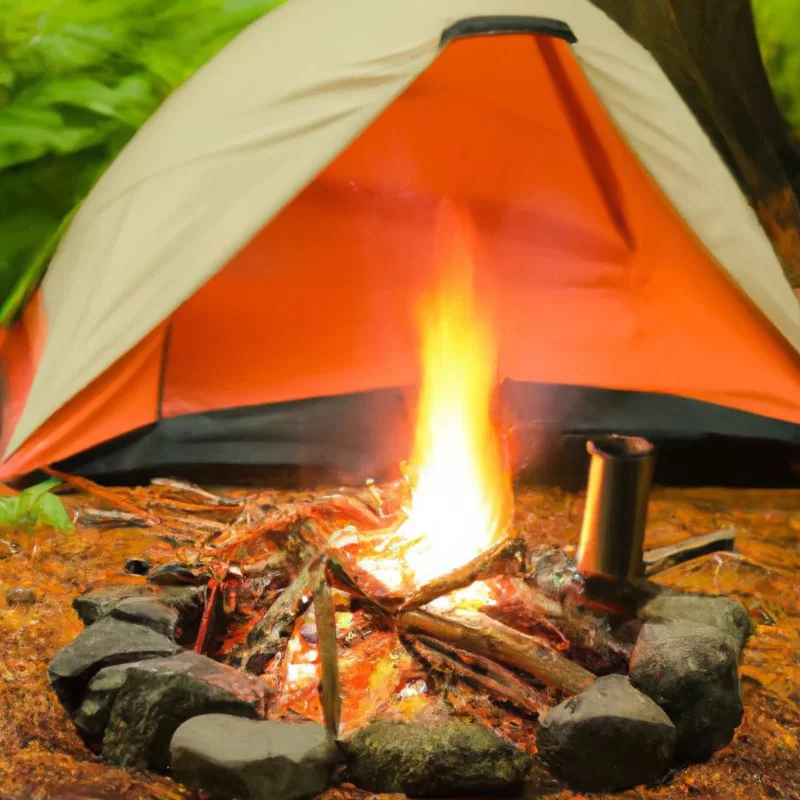
1. The Ultimate Guide to Budget-Friendly Camping
Camping is an incredibly rewarding way to connect with nature and take a break from the hustle and bustle of everyday life. But many people assume that camping requires a hefty budget for gear, food, and site reservations. In reality, with a little planning and resourcefulness, you can enjoy an amazing camping experience without breaking the bank.
In this guide, we’ll show you how to plan a camping trip with a limited budget while maximizing fun and adventure. From choosing the right gear to preparing cost-effective meals and finding free campsites, we’ll cover everything you need for a memorable trip.
2. How to Choose Smart Gear for Budget Camping
One of the key components to a successful camping trip on a budget is selecting the right gear. While it’s tempting to splurge on high-end equipment, there are plenty of budget-friendly options that don’t sacrifice quality or comfort. Here are some tips on how to choose smart camping gear:
2.1. Opt for Multi-Use Gear
When camping on a budget, it’s essential to maximize the functionality of your gear. Choose items that serve more than one purpose, such as a multi-tool knife, which can help with cooking, repairs, and other tasks. A tent that also doubles as a shelter from the rain or a sleeping bag with a built-in pillow can save you money and space in your pack.
2.2. Borrow or Buy Secondhand
Buying brand new camping gear can quickly add up. Instead, consider borrowing items from friends or family or purchasing secondhand gear. There are plenty of online marketplaces where you can find gently used equipment at a fraction of the cost. Thrift stores and outdoor gear shops also often have great deals on lightly used items.
2.3. Invest in Quality Basics
While it’s important to save money, there are a few key items you should invest in for your comfort and safety. A durable tent, sleeping bag, and sleeping pad are essential for a good night’s sleep, and investing in quality versions of these can prevent costly issues down the road. Look for sales or discounts to get the best deals.
3. Hacks for Budget-Friendly Camping Food
One of the most significant expenses on a camping trip can be food. But with a little creativity, you can eat well without spending a lot. Here are some food hacks that will help you stay fed without going over budget:
3.1. Plan Simple, High-Energy Meals
When you’re camping, you don’t need elaborate meals. Stick to simple, high-energy foods like rice, pasta, beans, and canned vegetables. These ingredients are easy to pack, lightweight, and affordable. You can also add inexpensive protein sources like eggs, peanut butter, or canned tuna.
3.2. Cook Over the Campfire
Instead of bringing a bulky stove, consider cooking your meals over a campfire. Not only does this save money, but it also enhances the camping experience. Classic campfire meals like foil packet dinners, roasted marshmallows, or grilled sausages can be both satisfying and delicious.
3.3. Bring Snacks for the Trail
When hiking or exploring the wilderness, you’ll need energy to keep going. Pack affordable snacks like trail mix, granola bars, or fruit that won’t spoil quickly. These items are easy to carry and provide the necessary fuel for long days on the trail.
4. How to Find Free Campsites
Finding a campsite can be one of the most expensive parts of planning a camping trip. But did you know that there are many places where you can camp for free? Here’s how to find the best free campsites:
4.1. Look for Public Lands
The U.S. has vast public lands managed by national forests, Bureau of Land Management (BLM) areas, and other government organizations that often allow free or low-cost camping. Many of these areas have established campsites that are perfect for setting up a tent and enjoying the outdoors. Check websites like Recreation.gov or FreeCampsites.net for free camping spots near you.
4.2. Try Dispersed Camping
Dispersed camping is a form of camping in undeveloped areas, typically in national forests or on BLM land. These campsites don’t have amenities, but they offer solitude and a true connection with nature. Just make sure to follow Leave No Trace principles and check regulations to ensure you're camping in the right areas.
4.3. Use Apps and Websites for Recommendations
There are several apps and websites that help campers find free or cheap campsites. Apps like Campendium, AllTrails, and Parkopedia allow users to search for campsites by location and amenities. You can filter by free campsites, making it easy to find the best spots for your budget.
5. Real-Life Example: A Budget Camping Trip Done Right
Let’s take a look at a real-life example of a budget camping trip. Emily and her family wanted to experience a weekend camping adventure but didn’t want to spend a lot of money. They borrowed camping gear from friends, including a tent, sleeping bags, and cooking utensils. They also planned a simple menu with pasta, beans, and trail mix for snacks.
Using an app called FreeCampsites.net, they found a beautiful, free campsite in a national forest just a few hours from their home. They cooked meals over the campfire, enjoyed hiking through scenic trails, and spent quality time together. The entire trip cost under $100, including food and gas. By being resourceful and planning ahead, Emily’s family had an unforgettable trip without breaking the bank.
6. Explore More Budget-Friendly Options at Pine Cliff Resort
If you’re looking for more ideas on how to make your camping experience even more affordable, check out Pine Cliff Resort. They offer budget-friendly cabins, campsites, and activities designed to help you enjoy nature without overspending. Their staff is dedicated to making your trip as memorable as possible, and they offer plenty of resources for budget-conscious travelers.
Visit Pine Cliff Resort today to find the perfect spot for your next camping adventure!
Green River State Park Campground
560s Green River Blvd, Green River, UT 84525, USA
Visit Location PageInto the Woods RV Park & Campground
50 Marion County 3038, Yellville, AR 72687, USA
Visit Location Page