
Learn how to plan a successful multi-day backpacking trip. Get essential tips on gear, food, route planning, and safety to ensure a safe and enjoyable adventure in the wilderness.
- 1 - Understanding Your Backpacking Trip
- 2 - Choosing the Right Gear for a Multi-Day Backpacking Trip
- 3 - Planning Your Food Supply for a Backpacking Adventure
- 4 - Route Planning and Navigation for Your Trip
- 5 - Backpacking Safety Tips
- 6 - How Pine Cliff Resort Can Help You Prepare for Your Backpacking Adventure
1. Understanding Your Backpacking Trip
Planning a multi-day backpacking trip is an exciting challenge, but it requires careful preparation to ensure a successful and enjoyable adventure. Whether you’re heading into the mountains, forests, or desert, understanding the environment and terrain of your destination is crucial for making informed decisions about gear, food, and route planning.
Before you start planning, it's important to consider the level of difficulty, the weather conditions, and any potential hazards. For instance, if you're planning a hike in the Rocky Mountains, you’ll need to account for elevation, weather changes, and rugged terrain. Understanding your trip's location will help you better prepare for the specific challenges you'll face.
2. Choosing the Right Gear for a Multi-Day Backpacking Trip
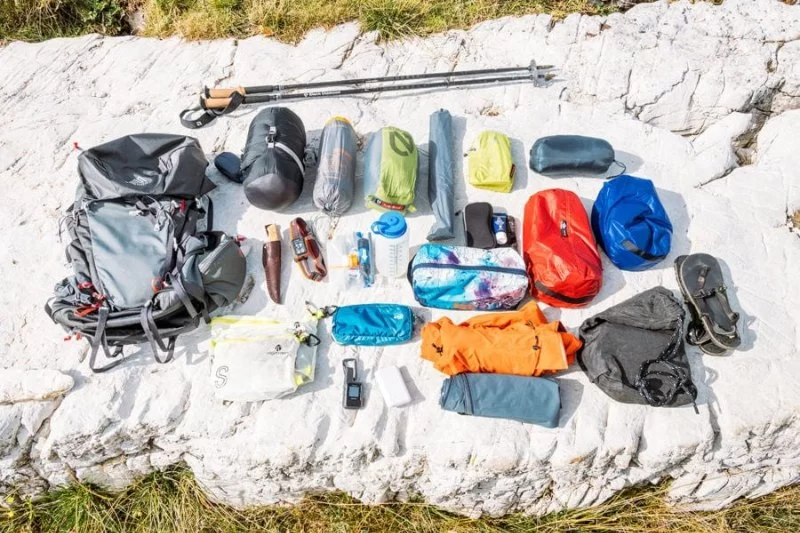
When it comes to gear for a multi-day backpacking trip, your pack is your most important tool. Choosing the right equipment will ensure comfort and safety throughout your journey. Here’s a breakdown of the essential gear you’ll need:
- Backpack: A well-fitting, comfortable backpack is essential for carrying your gear. Look for one with a capacity of 40 to 60 liters for a multi-day trip.
- Sleeping Bag and Shelter: A lightweight sleeping bag, appropriate for the expected temperatures, and a reliable tent or shelter are vital for rest and protection from the elements.
- Clothing: Layered clothing will help you manage your body temperature during various weather conditions. Make sure to bring moisture-wicking fabrics and weather-appropriate gear, like a waterproof jacket.
- Cooking Equipment: A portable stove, fuel, and lightweight cookware will allow you to prepare meals on the trail. Don’t forget a lighter and a sturdy eating utensil set.
- Navigation Tools: A map, compass, or GPS device is critical for navigation. If you're unfamiliar with the area, having a reliable method to stay on track is essential.
Investing in high-quality, durable gear will make your backpacking experience much more comfortable, allowing you to focus on the adventure rather than dealing with gear failures.
3. Planning Your Food Supply for a Backpacking Adventure
Food planning is one of the most important aspects of preparing for a multi-day backpacking trip. You’ll need to carry enough food to keep your energy up while maintaining a light pack. Here are some tips for planning your food supply:
- Choose Lightweight and Nutrient-Dense Foods: Opt for foods that are lightweight, compact, and packed with energy, such as dried fruits, nuts, energy bars, and dehydrated meals.
- Consider Meal Prepping: Pre-prepare meals before your trip to reduce time spent cooking on the trail. Dehydrated meals or freeze-dried food are convenient and require only hot water to prepare.
- Hydration: Staying hydrated is crucial. Make sure to bring a reliable water filter or purification tablets to ensure you can safely drink water from natural sources along the way.
Carefully calculate the amount of food and water you will need for each day of your trip. Remember, food can weigh you down, so focus on maximizing calories while minimizing bulk and weight.
4. Route Planning and Navigation for Your Trip
Route planning is an essential step in preparing for your backpacking adventure. Your route will depend on your physical capabilities, the terrain, and how much time you have for your trip. Here are some steps to help you plan your route:
- Research Trails: Look for well-marked trails and study maps or guidebooks to understand the difficulty level, distances, and elevation changes.
- Know Your Daily Mileage: Plan to hike no more than 8 to 12 miles per day, depending on the terrain and your experience. Make sure to account for breaks and rest stops.
- Track Weather Conditions: Weather conditions can change rapidly, especially in mountainous areas. Make sure to check the weather forecast regularly and adjust your route if necessary.
Having a clear understanding of your route, including alternate routes in case of bad weather or other obstacles, will help ensure a safe and successful journey.
5. Backpacking Safety Tips
Safety is paramount when planning a multi-day backpacking trip. Here are some key safety tips to keep in mind:
- Tell Someone Your Plan: Always inform a friend or family member about your planned route and expected return time.
- Pack a First-Aid Kit: A well-stocked first-aid kit is essential for addressing minor injuries and health issues on the trail.
- Be Prepared for Emergencies: Carry an emergency whistle, a flashlight, and a multitool to help in case of an emergency.
- Know How to Handle Wildlife: Be aware of the wildlife in the area you’re hiking. Make sure to store food properly to avoid attracting animals to your campsite.
Taking the proper precautions and staying aware of your surroundings will help you stay safe while enjoying your backpacking trip.
6. How Pine Cliff Resort Can Help You Prepare for Your Backpacking Adventure
Pine Cliff Resort is a great resource for those looking to prepare for a multi-day backpacking trip. We offer a variety of outdoor gear, including backpacks, tents, sleeping bags, and cookware, to ensure you have the best equipment for your adventure. Additionally, our expert staff can provide helpful advice on route planning, gear selection, and safety tips to make your trip as enjoyable and safe as possible.
If you're ready to plan your next backpacking trip, visit Pine Cliff Resort for all your gear and preparation needs. Let us help you get ready for the journey of a lifetime!
Susan Creek Campground
Susan Creek Campground, N Umpqa Hwy, Roseburg, OR 97471, USA
Visit Location PageHighland eclipse camping
2528 US-412 #62, Highland, AR 72542, USA
Visit Location Page