
Discover how to plan the ultimate multi-stop camping road trip across the U.S. with tips on routes, timing, essential camping gear, and the best campgrounds for an unforgettable adventure.
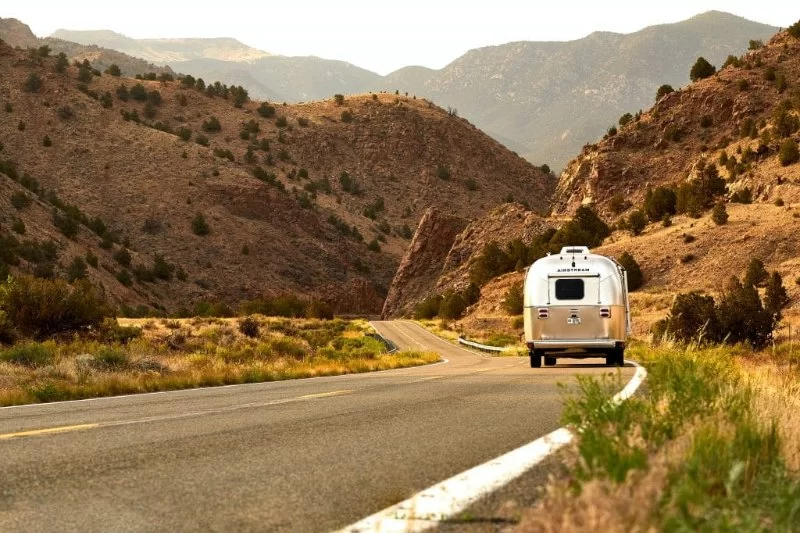
How to Plan a Multi-Stop Camping Road Trip Across the U.S.
Are you dreaming of exploring the great outdoors and discovering the most scenic spots in the United States? A multi-stop camping road trip is the perfect way to experience nature while traveling across the country. From majestic national parks to peaceful lakeside campgrounds, planning such a trip can be an unforgettable adventure. In this guide, we’ll walk you through how to plan a successful and enjoyable camping road trip, covering routes, timing, gear, and the best campgrounds to visit.
1. Route Planning: Choosing Your Stops
The first step in planning your multi-stop camping road trip is deciding on the route. The U.S. offers a wide variety of landscapes to explore, and the key is to tailor your route to your interests. Here are a few tips to help you get started:
- Research Scenic Routes: Consider popular scenic drives like Route 66, the Pacific Coast Highway, or the Blue Ridge Parkway, which offer beautiful views and access to national parks and campgrounds.
- Decide on the Length of the Trip: Determine how many stops you want to make and how long your trip will be. This will help you decide the best destinations to include.
- Map Out the Best Campsites: Look for well-reviewed campgrounds along your route. National parks often have campgrounds that are perfect for multi-stop trips, like Yosemite, Yellowstone, or the Grand Canyon.
- Consider Seasonal Factors: Check the weather and campgrounds' availability, as some areas may be closed or overcrowded depending on the season. Spring and fall are often the best times for a camping road trip.
Example: If you're planning to explore the western U.S., you might want to start your trip from California's Pacific Coast Highway, stopping at places like Big Sur, Sequoia National Park, and Zion National Park in Utah before heading to the Grand Canyon in Arizona. This route allows you to experience diverse landscapes from beaches to deserts.
2. Timing Your Trip: Best Times for Camping and Road Tripping
When planning a multi-stop camping road trip, timing is everything. The best time to embark on your adventure depends on the weather, the locations you’re visiting, and how much time you have available. Here are some timing tips to keep in mind:
- Consider the Seasons: The summer months (June to August) are the peak season for camping, but they can also be crowded. If you prefer fewer crowds and milder weather, consider spring (April to June) or fall (September to November).
- Avoid Holiday Weekends: Holiday weekends like Memorial Day, Labor Day, or Independence Day are peak travel times and can lead to overcrowded campgrounds. If you can, plan your trip to avoid these times.
- Check Campground Availability: Some campgrounds may require reservations, especially in popular national parks. Book in advance to ensure a spot, particularly in peak season.
Story: During a summer road trip along the East Coast, Sarah and her family found themselves arriving at a campground in Acadia National Park only to discover it was fully booked. They ended up finding a peaceful spot nearby at a lesser-known, but equally stunning, campground that offered the same scenic views. Timing and preparation can help you avoid last-minute stress like this!
3. Essential Camping Gear for Your Road Trip
When planning a multi-stop camping road trip, packing the right gear is key to a successful and comfortable adventure. The last thing you want is to be unprepared when you arrive at your campsite. Here's a list of essential camping gear to consider:
Camping Equipment
- High-Quality Tent: Make sure your tent is sturdy and weather-resistant. If you're traveling in various climates, choose one that can handle both cold and hot temperatures.
- Sleeping Bag and Pad: A good sleeping bag that suits the temperature range and a comfortable sleeping pad will help you rest well after a day of exploring.
- Camping Stove: A portable stove or camping grill is essential for cooking meals at your campsite. Don’t forget the fuel and cooking utensils.
- Cooler: A well-insulated cooler will keep your food and drinks fresh for longer. Consider a cooler with a long-lasting ice retention feature.
Clothing and Personal Items
- Appropriate Clothing: Pack clothing for all types of weather, including layers, rain gear, and sun protection.
- Personal Hygiene Items: Don’t forget toiletries like soap, toothpaste, and hand sanitizer, as well as towels for cleaning up after your adventure.
Tech Gear
- Power Bank: Keep your devices charged on the road with a reliable power bank, especially if you'll be off-grid for a while.
- Headlamp/Flashlight: A headlamp is especially useful for hands-free lighting at night, and it’s essential for safety in the outdoors.
Story: On a recent trip, Mark forgot to bring a spare tire pump on his road trip through the Rocky Mountains. After encountering a flat tire in a remote area, he realized how essential such small gear can be for an enjoyable and stress-free trip. Never underestimate the power of packing for all scenarios!
4. Best Campgrounds for Multi-Stop Road Trips
The U.S. is home to some of the most iconic campgrounds, perfect for multi-stop road trips. Here are some of the best campgrounds to consider for your adventure:
- Yosemite National Park (California): Known for its breathtaking waterfalls and stunning granite cliffs, Yosemite is a must-see for any road tripper. The park has multiple campgrounds with scenic views.
- Glacier National Park (Montana): Explore beautiful mountain landscapes, pristine lakes, and wildlife. Many campgrounds are accessible by car, making it easy to stop at several on your journey.
- Great Smoky Mountains (Tennessee/North Carolina): This national park is famous for its mist-covered mountains and diverse wildlife. It offers both front-country and back-country campsites.
- Zion National Park (Utah): A great stop for hikers and nature lovers, Zion’s red rock formations are a visual treat. The park’s campgrounds are perfect for those wanting to experience this stunning environment.
At Pine Cliff Resort, we offer a range of camping services and gear that can enhance your multi-stop road trip experience. Check out our selection for everything you need to make your journey unforgettable!
5. How to Make Your Road Trip Eco-Friendly
When traveling by car, it's important to reduce your environmental impact. Here are some eco-friendly tips for your multi-stop camping road trip:
- Choose Eco-Friendly Gear: Opt for reusable water bottles, solar-powered chargers, and environmentally friendly camping gear.
- Minimize Waste: Always pack out your trash, follow Leave No Trace principles, and use biodegradable soap when washing dishes.
- Carpool or Drive a Fuel-Efficient Vehicle: Reduce your carbon footprint by carpooling or renting a fuel-efficient vehicle for your road trip.
By taking these steps, you can enjoy your adventure while minimizing its impact on the environment.
Jack Creek Campground
Highway 290 west, Meeteetse, WY 82433, USA
Visit Location PageScaife RV Resort
35340 W 191st St S, Bristow, OK 74010, USA
Visit Location Page