
Learn how to plan a summer camping trip with essential tips on gear, heat safety, and water. Prepare for your outdoor adventure with expert advice and recommendations for a safe and enjoyable camping experience.
- 1-how-to-plan-a-summer-camping-trip
- 2-summer-camping-gear-checklist
- 3-heat-safety-during-summer-camping
- 4-water-tips-for-staying-hydrated-and-safe
- 5-real-life-camping-stories-and-lessons-learned
- 6-how-to-choose-the-right-camping-destination
- 7-explore-camping-options-with-pine-cliff-resort
1. How to Plan a Summer Camping Trip
Planning a summer camping trip requires more than just picking a spot and packing a tent. To ensure a safe and enjoyable experience, you need to think about the gear you’ll need, how to stay safe in the summer heat, and the importance of staying hydrated. Whether you’re a seasoned camper or a first-timer, taking the time to plan carefully will help you avoid common mistakes and make the most of your adventure.
2. Summer Camping Gear Checklist
The right camping gear can make or break your trip. Since summer camping often involves warm temperatures, sunny days, and sometimes extreme conditions, it's essential to pack appropriately. Below is a checklist of essential items for a summer camping trip:
2.1 Shelter and Sleeping Gear
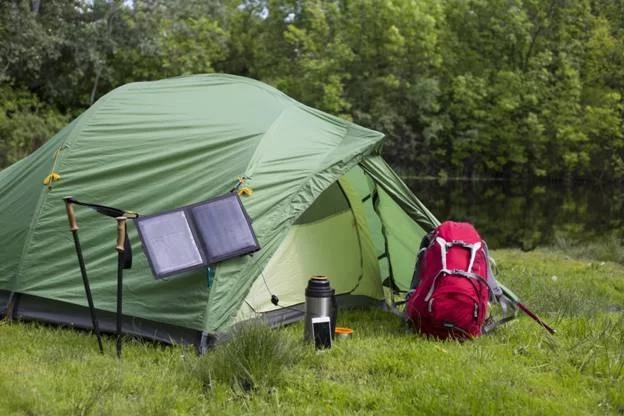
A good tent is the foundation of any camping trip. Make sure it’s well-ventilated to prevent the summer heat from making the inside unbearable. Also, choose a sleeping bag appropriate for warm weather—one that’s lightweight and breathable. Don’t forget a comfortable sleeping pad to protect you from the ground and provide extra insulation.
2.2 Clothing for Warm Weather
For summer camping, lightweight, moisture-wicking clothes are key to staying comfortable. Pack breathable fabrics like cotton and linen for daytime wear, and make sure to bring a hat and sunglasses for sun protection. For cooler evenings, bring a light jacket or fleece for warmth as temperatures can drop after sunset.
2.3 Cooking Equipment and Food Storage
In the summer heat, it’s important to bring a portable stove or campfire equipment, as well as food storage containers to keep your supplies fresh. Don't forget biodegradable soap and a portable grill if you plan to cook over an open flame. And always bring a cooler to store perishable items like meats, fruits, and dairy products.
2.4 Hydration and Water Treatment
Since staying hydrated is crucial during a summer camping trip, make sure to bring plenty of water bottles or hydration packs. A portable water filter or purification tablets can help you access clean water from lakes or streams. This is especially useful when camping in more remote areas.
3. Heat Safety During Summer Camping
Summer camping comes with unique challenges, especially when it comes to dealing with heat. Staying safe in the sun and avoiding heat-related illnesses should be a priority. Here are some essential heat safety tips to ensure your camping trip is safe and enjoyable:
3.1 Stay Cool and Avoid Overexposure to the Sun
Summer camping often means long hours spent outside, so it’s essential to protect yourself from the sun. Always wear sunscreen with at least SPF 30, and reapply every two hours. Wearing a wide-brimmed hat and protective clothing can help shield you from the sun’s rays. Try to avoid direct sun exposure during the hottest parts of the day (usually between 10 a.m. and 4 p.m.) by staying in the shade or taking breaks in your tent.
3.2 Recognize the Signs of Heat Exhaustion
Heat exhaustion is a common risk when camping in summer. Symptoms include excessive sweating, weakness, dizziness, nausea, and headache. If you or a fellow camper begins to show these signs, it’s important to move to a cooler area, hydrate, and rest. If the symptoms worsen, it may be necessary to seek medical help.
3.3 Hydrate Frequently
Dehydration can occur quickly during hot weather, so be sure to drink water consistently throughout the day. Avoid alcohol and caffeinated beverages, as these can contribute to dehydration. A good rule of thumb is to drink about 2 to 3 liters of water per day, depending on your activity level.
4. Water Tips for Staying Hydrated and Safe
Water is essential to your survival and comfort when camping in the summer, but it’s important to be mindful of how you access and treat your water while outdoors. Here are some tips to help you stay hydrated and safe while camping:
4.1 Carry Enough Water
One of the most important water-related tips is to always carry enough water for your trip. A hydration pack or a combination of water bottles is the best option for ensuring you have enough water during hikes and outdoor activities. Remember that the amount of water you need can vary based on temperature, altitude, and your level of physical activity.
4.2 Use a Water Filter for Natural Sources
If you plan to camp near a lake, river, or stream, it’s essential to purify your water before drinking it. Carry a portable water filter or purification tablets to remove harmful bacteria and parasites. There are many lightweight and affordable options on the market that can provide clean drinking water from natural sources.
4.3 Avoid Contaminated Water Sources
While it’s tempting to drink straight from a stream or lake, you must be cautious of water contamination, especially in heavily trafficked areas. Always treat water before drinking it to avoid waterborne illnesses like giardia or E. coli. If you’re unsure about the safety of the water, it’s better to err on the side of caution and filter it.
5. Real-Life Camping Stories and Lessons Learned
Many campers have learned valuable lessons during their outdoor adventures, especially when it comes to dealing with heat and staying hydrated. One camper shared how they nearly suffered from heat exhaustion on a summer trip because they neglected to drink enough water while hiking in the sun. The lesson? Always carry extra water and pace yourself to avoid overexertion.
5.1 The Importance of Early Preparation
Another experienced camper shared their story of how they forgot to bring proper shade during a summer trip. After spending a long afternoon in direct sunlight, they regretted not bringing a portable sunshade or a hat to protect themselves from the sun. Early preparation, including checking the weather and packing accordingly, is key to a successful camping trip.
6. How to Choose the Right Camping Destination
Choosing the right destination is crucial to ensuring a successful summer camping trip. Some locations offer better shade and cooler temperatures, while others may expose you to more heat. Consider the following factors when selecting a camping destination:
6.1 Research the Climate
Before finalizing your plans, research the climate of the area you want to visit. Some regions, like the mountains, can offer cooler temperatures even in the summer, while desert areas can be extremely hot. Choose a location that matches your comfort level and the type of camping experience you want.
6.2 Check for Available Water Sources
Ensure that the destination has reliable water sources or that you can easily bring your own water. For example, areas near lakes or rivers are ideal for water-based activities and can provide opportunities to filter water for drinking.
7. Explore Camping Options with Pine Cliff Resort
If you're looking for the perfect destination for your next summer camping trip, look no further than Pine Cliff Resort. With a variety of camping options, from tent sites to cabin rentals, you can enjoy the great outdoors while staying comfortable and safe. Visit Pine Cliff Resort to find your ideal summer getaway and start planning your adventure today.
KVR Campsite V
Whitestown, WI 54651, USA
Visit Location PageMt. Heyburn Campground
Stanley, ID 83278, USA
Visit Location Page