
Learn how to plan a successful winter camping trip with our essential tips and advice. From the best destinations to the must-have gear, we cover everything you need for your winter outdoor adventure.
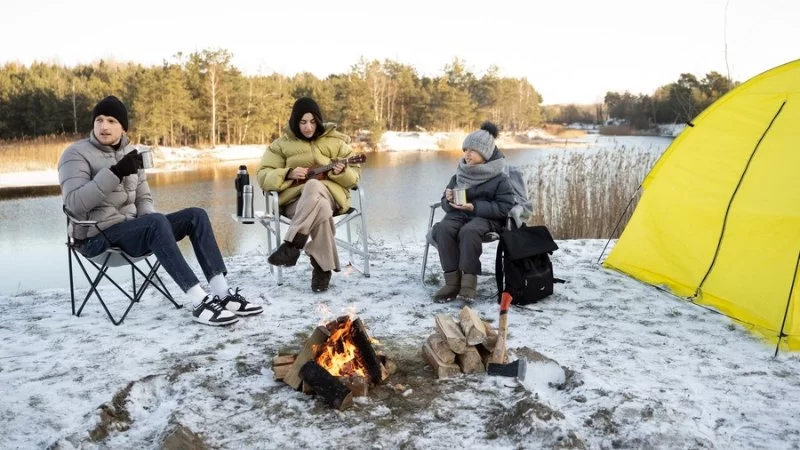
- 1. Why Winter Camping is a Great Adventure
- 2. Choosing the Right Winter Camping Destination
- 3. Must-Have Winter Camping Gear
- 4. Preparing for Cold Weather
- 5. Safety Tips for Winter Camping
- 6. Fun Winter Camping Activities
1. Why Winter Camping is a Great Adventure
If you’ve never considered winter camping, you might be missing out on one of the most rewarding outdoor experiences. While summer camping offers its own set of adventures, winter camping brings a whole new level of beauty and excitement. Imagine waking up to a landscape blanketed in snow, the air crisp and fresh, and the quiet of nature all around you. For me, winter camping is an opportunity to enjoy solitude, peace, and some of the most picturesque views the wilderness has to offer.
There’s something magical about the winter season, and camping in the snow offers a unique way to immerse yourself in that beauty. Sure, the cold weather and unpredictable conditions can be intimidating, but with the right preparation, winter camping can be incredibly rewarding. Over the years, I’ve found that winter camping is not just about braving the cold, but rather, it’s about experiencing nature in its rawest, most serene form. So, if you’re looking for an adventure that combines challenge and beauty, winter camping could be the perfect activity for you.
2. Choosing the Right Winter Camping Destination
Choosing the right destination is key when planning a winter camping trip. I’ve learned from experience that the best spots for winter camping are those that offer not only breathtaking scenery but also a variety of activities and amenities. Whether you’re looking for a quiet, off-the-grid experience or a location with access to winter sports, there’s a place for every type of winter camper.
1. National Parks and State Parks
Many national and state parks offer winter camping options, and these can be some of the most stunning destinations. Yosemite National Park, for example, transforms into a winter wonderland, with fewer crowds and more serene landscapes. For those looking for a bit of adventure, Glacier National Park offers snow-covered mountains and opportunities for backcountry skiing and snowshoeing. Just make sure to check the availability of winter campsites, as some parks may have limited access during the colder months.
2. Winter Sports Resorts
If you’re into winter sports like skiing or snowboarding, many winter sports resorts offer nearby campsites or glamping experiences. These places often have well-maintained paths for snowshoeing or cross-country skiing, along with nearby amenities like hot springs, making for a perfect winter getaway. Resorts like those in Colorado or the Adirondacks are ideal if you want to combine camping with winter sports.
3. Remote Wilderness Locations
If you’re an experienced winter camper looking for a true wilderness experience, remote locations may be your best bet. These destinations offer solitude and an immersive outdoor experience, though they require more planning and expertise. Consider areas like the Great Smoky Mountains in winter or the Boundary Waters Canoe Area Wilderness, where you can enjoy deep snow and pristine silence.
3. Must-Have Winter Camping Gear
One thing I’ve learned about winter camping is that the right gear can make or break your experience. You need gear that will keep you warm, dry, and protected from the elements. Over the years, I’ve invested in quality winter camping gear, and it’s made all the difference in ensuring my comfort and safety. Here are some of the essentials I recommend:
1. Insulated Tent
When I first started winter camping, I made the mistake of using my regular summer tent. Big mistake! Winter tents are designed with insulation and weatherproofing to keep the heat in and the cold out. A four-season tent is essential for staying warm in the harsh winter conditions. Look for a tent with a solid frame that can withstand snow and wind.
2. Sleeping Bag and Mat
Another crucial investment is a high-quality sleeping bag rated for cold temperatures. I personally use a sleeping bag rated for at least 20°F or lower, depending on the conditions. It’s also important to use an insulated sleeping pad to protect you from the cold ground. These two pieces of equipment are non-negotiable if you want to stay warm during those freezing winter nights.
3. Layered Clothing
Layering is key when dressing for winter camping. I typically wear moisture-wicking base layers, followed by an insulating layer like fleece or down, and then a waterproof, windproof outer layer. It’s essential to avoid cotton, as it traps moisture and can make you cold. Be sure to pack extra socks, gloves, and hats to stay comfortable in the cold.
4. Cooking Equipment
Winter camping means you’ll need a stove that works in cold temperatures. I’ve found that a liquid fuel stove works best in freezing weather. Be sure to bring a windscreen to help your stove work more efficiently. Also, pack lightweight cookware, as well as a thermal bottle to keep your beverages hot.
4. Preparing for Cold Weather
Winter weather can be unpredictable, so it’s important to be fully prepared for the conditions you may encounter. Here’s how I ensure I’m ready for cold weather:
1. Check the Weather Forecast
Before heading out, I always check the weather forecast for my camping location. Winter storms can come in quickly, so it’s important to be aware of any potential weather changes. I’ve learned that it’s better to err on the side of caution and postpone a trip if severe weather is expected.
2. Plan for Emergency Situations
Winter camping requires an added layer of preparation when it comes to safety. Always bring a first-aid kit, and consider packing extra fuel and food in case you get stuck or the weather turns bad. It’s also a good idea to let someone know your plans, including your camping location and expected return time.
5. Safety Tips for Winter Camping
Safety should always be a top priority during winter camping trips. Here are a few tips that have helped me stay safe on my winter adventures:
1. Stay Hydrated
It’s easy to forget about hydration in the winter months, but staying hydrated is just as important in cold weather as it is in hot weather. Make sure to drink water regularly, even if you don’t feel thirsty. I always carry a thermos with hot water to make it easier to stay hydrated without exposing myself to the cold.
2. Watch for Signs of Hypothermia and Frostbite
Be aware of the signs of hypothermia and frostbite, as they can develop quickly in cold weather. If you start feeling excessively cold, numb, or disoriented, it’s important to seek warmth immediately. I’ve learned to keep an eye on my body temperature and always make sure I’m layering properly to avoid these dangerous conditions.
3. Keep Your Gear Dry
Wet gear in the winter can be a serious problem. Always keep your sleeping bag and clothing dry, and make sure your tent is sealed properly. If your gear gets wet, it will make it harder to stay warm and comfortable. I carry extra dry bags to store wet clothing or gear to ensure I stay dry and protected from the cold.
6. Fun Winter Camping Activities
Winter camping isn’t just about surviving the cold—it’s about enjoying the unique outdoor experiences the season has to offer. Here are some fun activities to try during your winter camping trip:
1. Snowshoeing
Snowshoeing is one of my favorite winter activities. It’s a great way to explore the snowy landscape and get some exercise at the same time. Whether you’re hiking through a forest or across an open plain, snowshoeing allows you to reach areas that would otherwise be difficult to access in the winter.
2. Ice Fishing
If you’re camping near a frozen lake, ice fishing can be a fun way to pass the time. It requires patience, but the reward of catching fish in the middle of winter is well worth it. Just make sure to follow safety protocols when venturing onto the ice.
3. Winter Stargazing
Winter nights offer some of the clearest skies for stargazing. With less atmospheric interference, the stars shine bright, and I’ve found winter camping to be the perfect time to stargaze. Bring a telescope or simply lie back and enjoy the show—just make sure to bundle up!
Winter camping is an unforgettable experience that offers a unique way to enjoy the outdoors. With the right planning, gear, and safety precautions, you can make the most of your winter adventure. If you’re ready to embark on your winter camping journey, start planning today and get ready to create lasting memories in the snow!
Montour Trail Boggs Campsite/Trailhead
Imperial, PA 15126, USA
Visit Location PageCathedral Gorge Campground
Pioche, NV 89043, USA
Visit Location Page