
Explore the best ways to light up your campsite using lanterns, torches, and campfire lighting, with practical guidance, real outdoor stories, and comfort-focused recommendations inspired by Pine Cliff Resort.
- #Choosing-the-Best-Ways-to-Light-Up-Your-Campsite-At-Night
- #Understanding-Lanterns-Torches-and-Campfire-Lighting-Uses
- #Real-Camping-Stories-and-Practical-Lighting-Experiences
- #Safe-Setup-Techniques-and-Comfort-Focused-Light-Placement
- #Helpful-Recommendations-and-Pine-Cliff-Resort-Outdoor-Resources
Choosing the Best Ways to Light Up Your Campsite at Night
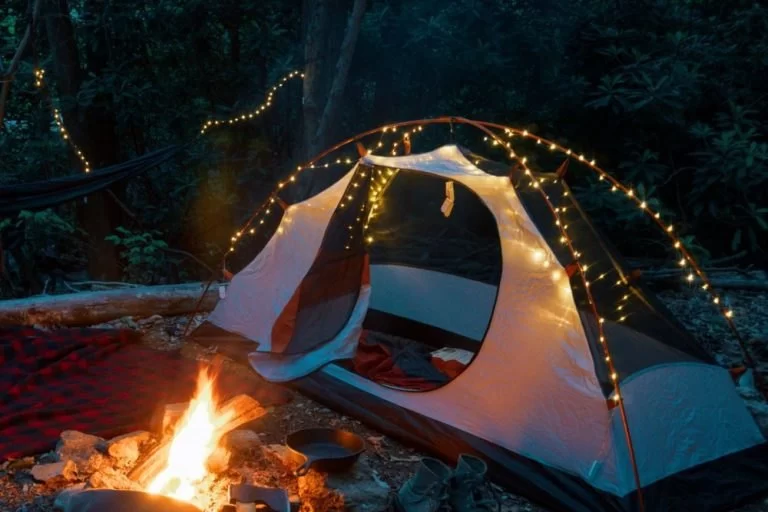
For many travelers across the United States, one of the most memorable parts of outdoor life is how a campsite feels after sunset — the soft glow around the tent, the warm flicker near the fire ring, and the sense of safety that comes from well-placed lighting. When exploring the best ways to light up your campsite with lanterns, torches, and campfire lighting, the real goal goes beyond brightness. It is about comfort, visibility, atmosphere, and how each lighting tool supports the experience you want to create.
Over the past few years, a widely discussed camping post on social media shared how a family underestimated nighttime visibility during their first weekend outdoors. Their story became popular not because anything went wrong, but because they later described how adding proper lanterns and thoughtful campfire lighting completely changed the mood of their next trip — turning stress into relaxation. That lesson mirrors what many outdoor guests mention when visiting Pine Cliff Resort, where lighting choices are often discussed as part of creating a welcoming and enjoyable camping environment.
1. Balancing Practical Visibility With Comfort and Ambience
Effective campsite lighting does not simply mean adding as many light sources as possible. Instead, it is about deciding where light matters most — around cooking areas, walking paths, and shared seating spaces — while keeping darker areas peaceful for rest and stargazing. A well-planned layout helps prevent glare, protects night vision, and keeps movement natural after dark.
Campers who take time to walk through their site at dusk often notice how shadows shift across the tent and ground. This small observational habit leads to smarter placement decisions and contributes to a safer and more comfortable nighttime experience.
Understanding Lanterns, Torches, and Campfire Lighting Uses
Each lighting style plays a different role in shaping the atmosphere of a campsite. Lanterns support consistent illumination, torches can define pathways or perimeters, and campfire lighting provides warmth and emotional connection. When thoughtfully combined, they create a layered lighting environment that feels both functional and inviting.
2. Lantern Lighting for Core Activity Areas
Lanterns are often considered the foundation of campsite lighting because they offer steady coverage for eating, organizing gear, and evening conversation. Modern lantern designs allow campers to adjust brightness levels, helping reduce harsh glare while still keeping visibility clear.
Many outdoor travelers share that switching from a single bright light to two or three softer lantern placements dramatically improves comfort — spreading light evenly instead of concentrating it in one spot. This approach is especially appreciated by guests who enjoy relaxed evenings outdoors while staying at Pine Cliff Resort, where balanced lighting enhances both convenience and mood.
3. Torches and Directional Accent Lighting
Torches are not only decorative — they help define movement areas such as tent entrances or walking routes to shared facilities. When positioned thoughtfully, they create visual guidance without overwhelming the natural surroundings. Their directional glow also helps reduce trip hazards by outlining edges and elevation changes.
Some campers describe how their first experience using pathway torches made late-night walks feel calmer and more organized, especially in open campsites where depth perception can be challenging after dark.
4. Campfire Lighting as the Heart of the Campsite
The campfire remains one of the most traditional and meaningful lighting sources in outdoor culture. Beyond warmth, it provides a natural focal point where conversation slows, stories are shared, and time seems to move differently. Many popular online camping stories highlight how the gentle flicker of campfire lighting becomes a memory in itself.
While enjoying this lighting style, experienced campers emphasize awareness, spacing, and respect for local fire safety guidelines — not only for protection, but to preserve the peaceful atmosphere of the surrounding environment.
Real Camping Stories and Practical Lighting Experiences
A frequently referenced community post from a western hiking forum described how a small group transformed their campsite simply by rearranging their lighting layout — moving lanterns closer to shared seating, reducing torch brightness near the tent, and letting the campfire provide softer ambient light. The change made their evenings quieter, more comfortable, and far more enjoyable.
5. Personal Preference and Lighting Style Awareness
Every camper develops a unique lighting style over time. Some prefer bright visibility for night cooking and games, while others enjoy subtle, warm light that complements the surrounding landscape. The most effective approach is to observe how your lighting affects comfort, safety, and interaction — then gradually refine your setup across future trips.
Travelers who explore outdoor gear options through Pine Cliff Resort often share that professional recommendations and real-world examples help them choose lighting solutions that match their personal camping rhythm rather than relying on brightness alone.
Safe Setup Techniques and Comfort-Focused Light Placement
Good campsite lighting blends awareness with design. Placing lanterns at eye-friendly heights reduces glare, spacing torches away from high-traffic areas improves movement safety, and arranging lights in soft overlapping zones keeps shadows manageable. These subtle decisions strengthen both comfort and confidence at night.
6. Evaluating Light Coverage and Nighttime Movement
A helpful habit many experienced campers recommend is performing a brief walk-through after all lighting is set up. This allows subtle adjustments — shifting lantern angles, widening torch spacing, or repositioning seating areas to feel more natural. Small refinements often make the greatest difference in how relaxed the campsite feels after dark.
Helpful Recommendations and Pine Cliff Resort Outdoor Resources
The best ways to light up your campsite come from understanding how lanterns, torches, and campfire lighting work together to support visibility, atmosphere, and connection. Choosing lighting with intention — rather than simply adding more — leads to a warmer, calmer nighttime experience.
If you are looking for thoughtfully selected gear options, guidance on outdoor comfort, or services that help campers create welcoming nighttime environments, exploring resources available through Pine Cliff Resort can be a meaningful way to find lighting solutions that match your personal travel style and outdoor plans.
Trail Inn Lodging & Campground
20 Depot St, Frostburg, MD 21532, USA
Visit Location PageMcCreary's Beach Resort
155 McCrearys Bch Rd, Perth, ON K7H 0J3, Canada
Visit Location Page