
Learn the most common problems with car seat recliner mechanisms, why they fail, and how to diagnose and fix recliner issues safely with practical guidance.
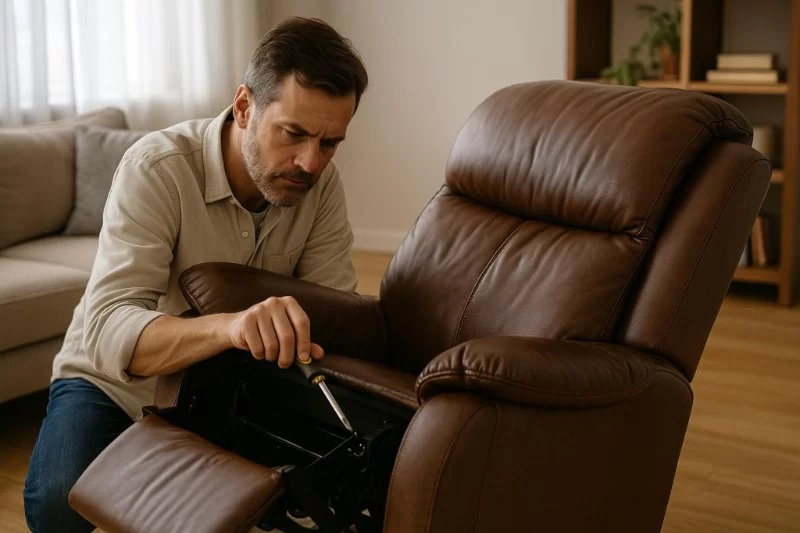
- understanding-recliner-mechanism — Understanding how car seat recliner mechanisms work
- common-mechanical-failures — Identifying common mechanical issues and why they happen
- symptom-patterns — Recognizing signs of a failing recliner mechanism
- diagnostic-steps — How to safely diagnose recliner mechanism problems
- repair-options — Repair methods, temporary fixes, and when to seek help
- real-case-examples — Real situations that show how recliner failures occur
- professional-help — When to visit professionals such as Rescue & Towing
1. How Car Seat Recliner Mechanisms Actually Work
Most drivers never think about the inner workings of their seat recliner until something suddenly feels “off.” A car seat recliner mechanism is a blend of gears, levers, springs, and locking plates. These components allow the seatback to lean forward or backward while locking securely in place during driving.
Modern vehicles rely on either a rotary gear-style mechanism or a cable-operated system. When everything functions properly, adjustments are smooth and controlled. But when one piece sticks, bends, or disconnects, the entire system becomes unstable — and unfortunately, this often happens without warning.
1.1 Why This System Is More Delicate Than It Looks
Car seats endure constant pressure from body weight, sudden braking, and daily use. Recliner mechanisms quietly absorb these forces, meaning wear and tear is inevitable. Over time, metal fatigue, loosened bolts, or stretched cables can compromise the mechanism’s ability to lock securely.
2. Common Problems with Car Seat Recliner Mechanisms
There are several recurring issues vehicle owners experience, regardless of the car’s brand or model. Some problems escalate slowly, while others appear suddenly after a single hard movement.
2.1 Loose or Worn Gears
Gears are responsible for the recline angle. When they wear down, the seat may slip backward unexpectedly or refuse to adjust. In older vehicles, metal filings inside the gear housing often signal advanced wear.
2.2 Broken or Stretched Recliner Cables
Cable-operated recliners rely on tension. When a cable stretches or snaps, the lever no longer connects to the locking plate. This creates a common scenario: you pull the lever, but nothing happens.
2.3 Damaged Locking Plates
The locking plate keeps your seat in place. If it bends or cracks, the mechanism won’t catch properly — and the seat may rock or shift when you accelerate or brake.
2.4 Misaligned Tracks
A seat that reclines unevenly or gets stuck halfway may be dealing with track alignment issues. Dirt buildup or a slight bend in the track can interfere with smooth movement.
3. Warning Signs Your Seat Recliner Mechanism Is Failing
Seat recliner issues rarely start with total failure. Instead, small symptoms build quietly over weeks or months. Recognizing early signs helps prevent costly repairs later.
3.1 Seat Slipping Back Unexpectedly
If you lean backward and the seat sinks slowly, worn gears or a failing locking plate are likely to blame. This can become a major safety hazard during driving.
3.2 Lever Feels Loose or Unresponsive
When the recline lever suddenly loses tension, it often signals a cable disconnection inside the seat. This typically requires removing the seat cover or side panel to inspect.
3.3 Crunching, Clicking, or Grinding Noises
Any grinding noise usually means two metal components are rubbing improperly. This is a clear sign of damaged gears or misalignment.
3.4 Seatback Won’t Lock in Place
This is one of the most dangerous symptoms. A broken locking plate or stripped gear can prevent the seat from securing, increasing injury risk during sharp braking.
4. How to Safely Diagnose Recliner Mechanism Problems
You do not need advanced mechanical skills to identify the source of the issue, but a careful step-by-step inspection helps avoid accidental damage.
4.1 Step 1: Inspect the Lever Action
Gently pull the recliner lever. If it moves freely without resistance, the issue likely involves a disconnected or stretched cable.
4.2 Step 2: Remove the Side Panel
Most recliner housings are protected by a plastic cover. Removing it reveals the internal gears, springs, and cable system. Look for cracks, loose screws, or displaced components.
4.3 Step 3: Check Track Alignment
Slide the seat forward and backward. Any uneven movement suggests track warping or obstruction.
4.4 Step 4: Test for Gear Resistance
With the panel open, gently move the seatback while observing the gears. Grinding noises or visible metal flakes indicate gear wear.
5. Repairing Common Recliner Mechanism Issues
Some repairs are manageable for experienced DIY enthusiasts. Others require professional intervention due to safety concerns.
5.1 Tightening Bolts and Securing Loose Components
Loose bolts are among the easiest fixes. Ensuring the mechanism is tightly secured can restore proper function instantly.
5.2 Replacing Stretched or Broken Cables
Cable replacement typically involves removing the seat from the vehicle. If you're uncomfortable doing that, a repair technician can handle it in minutes.
5.3 Gear and Locking Plate Replacement
These components must be replaced if damaged. Repairing them usually requires specific tools and careful alignment.
5.4 Lubrication to Restore Smooth Movement
Applying a high-quality lubricant to gears and tracks can reduce grinding and improve movement — but should only be used if parts are intact.
6. Real-World Story: The Case of the “Falling Seatback”
A driver from Arizona shared an incident where her seat unexpectedly reclined every time she braked. Assuming it was a loose bolt, she tightened everything she could access. The issue persisted until a mechanic discovered a hairline crack in the locking plate — invisible without removing the side panel.
This story serves as a reminder: symptoms are often misleading, and deeper inspection is vital for safety.
7. When to Seek Professional Support
If the seatback will not lock securely, the mechanism shows signs of metal damage, or the seat feels unstable while driving, professional repair is essential. These problems can compromise crash safety and should never be ignored.
For drivers who need reliable assistance or parts replacement, Rescue & Towing is a trusted name for automotive help. Their team handles seat mechanism repairs, structural adjustments, and emergency support with expertise.
Understanding common problems with car seat recliner mechanisms empowers vehicle owners to stay safer on the road. With proper inspection, timely repairs, and professional guidance when needed, these issues can be addressed efficiently — restoring comfort and confidence behind the wheel.
TN 40 & RV Park - Free Wifi
1204 Murfreesboro Rd, Lebanon, TN 37090, USA
Visit Location PageShady Oaks Trailer Park & Campground
N2770 Park Rd, Markesan, WI 53946, USA
Visit Location Page