
Learn how to camp in desert environments safely with expert tips, real-life stories, and essential preparation guidance for a secure and enjoyable desert adventure.
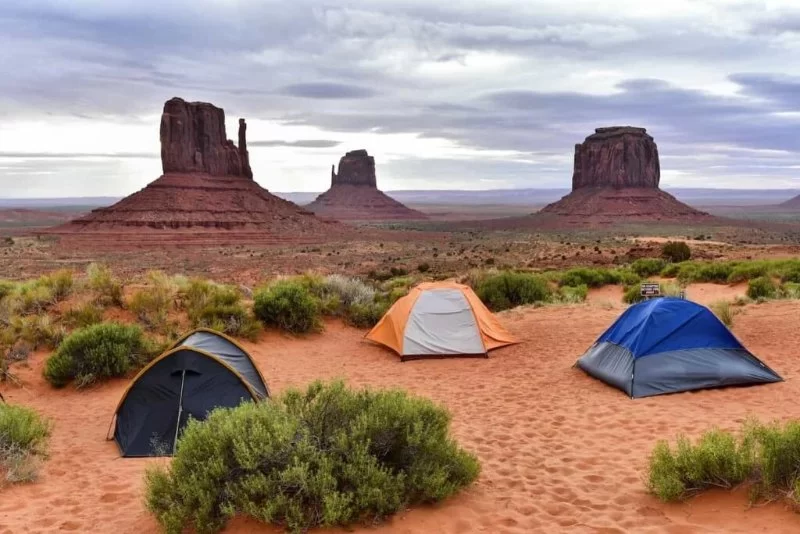
1-Understanding the Desert Environment
2-Desert Camping Gear Essentials
3-Hydration and Nutrition in the Desert
4-Weather Awareness and Heat Safety
6-Real Stories & Lessons From Desert Campers
7-Why Choose the Right Desert Campground
1. Understanding the Desert Environment
When planning how to camp in desert environments safely, understanding the unique climate and terrain of the desert is the first key step. Deserts are known for their extreme temperature shifts—scorching hot days and surprisingly cold nights. The air is extremely dry, causing rapid dehydration. Additionally, wildlife such as snakes, scorpions, or coyotes may pose risks if campers are unaware of their surroundings.
While deserts appear intimidating, they also offer stunning views, pristine night skies, and peaceful solitude. By preparing properly, you can enjoy the beauty of a desert landscape while staying safe and confident throughout your adventure.
2. Desert Camping Gear Essentials
Having the right gear is crucial when camping in hot, dry environments. Beyond the typical tent and sleeping bag, desert camping requires specific equipment to protect you from heat, sun, and potential hazards. Consider packing the following items for safety and comfort:
2.1 Sun Protection Gear
Choose lightweight, UV-protective clothing, a wide-brimmed hat, and polarized sunglasses. Apply sunscreen often, especially because sweat reduces its effectiveness over time.
2.2 Well-Ventilated Tent & Ground Cover
A tent with mesh panels improves airflow, preventing overheating inside. A reflective tarp over your tent can provide shade. Don’t forget a durable groundsheet—desert terrain can be rocky or sandy, and insulation from the ground helps maintain comfort.
2.3 Emergency and Navigation Tools
Satellite messengers, personal locator beacons, and physical maps are crucial, as deserts often lack phone reception. Flashlights and backup batteries are mandatory for navigating in the desert night when wildlife becomes more active.
3. Hydration and Nutrition in the Desert
Knowing how to camp in desert environments safely means prioritizing hydration. You will lose more moisture through sweat than you realize, especially in low humidity.
3.1 Water Storage and Consumption
Plan on carrying at least one gallon of water per person per day—more if you plan to hike. Store water in multiple containers to avoid losing your entire supply if one leaks. Electrolyte packets also help prevent heat-related illnesses.
3.2 Food That Helps You Stay Hydrated
Fresh fruits like oranges and melons add hydration and energy. Choose lightweight, high-protein foods that don’t require long cooking times, because using fuel in the desert heat can quickly drain your stamina.
4. Weather Awareness and Heat Safety
Deserts demand extra caution when it comes to sun and temperature. Understanding heat patterns helps maintain safety.
4.1 Avoid Peak Sun Hours for Strenuous Activity
Try to set up camp, hike, and explore during early morning or late afternoon. Midday heat can lead to dehydration and heatstroke much faster than you expect.
4.2 Nighttime Cold Preparedness
Bring a warm base layer and insulated sleeping bag, as desert nights can drop dramatically in temperature—sometimes by 40°F or more.
4.3 Flash Flood Precautions
Unexpected storms in distant areas can cause sudden flash floods even in dry canyons. Never set up camp in dry riverbeds or narrow washes. Look for elevated, stable ground.
5. Navigation Skills and Landscape Challenges
Desert terrain often lacks trees and landmarks, making it surprisingly easy to get lost. Blowing sand can also obscure your tracks.
5.1 Use Multiple Navigation Methods
Carry a compass, a physical map, and a GPS device. Hotline safety apps may fail if coverage disappears, so redundancy is key.
5.2 Stay on Marked Trails When Possible
Wandering off-trail can lead to injury or disorientation. Many desert parks clearly mark routes to prevent confusion and protect fragile ecosystems.
6. Real Stories & Lessons From Desert Campers
Experience brings insight. Here’s a true camping scenario that highlights the importance of preparation:
“During my first overnight camping trip in Arizona’s Sonoran Desert, I underestimated the cold. After a 95°F day, temperatures plunged to the 40s, and I spent the night shivering in a lightweight summer sleeping bag. The next morning, I met a fellow camper who explained that desert overnights always demand additional insulation. That lesson changed how I pack forever.”
Stories like these remind us that deserts can surprise even experienced outdoor enthusiasts. Being prepared means being able to enjoy the adventure rather than just surviving it.
7. Why Choose the Right Desert Campground
Location matters—a well-managed campground ensures access to resources like emergency help, safe marked trails, shaded areas, and water refilling stations.
Choosing a resort-based campground, such as those recommended by Pine Cliff Resort, can offer a safer starting point for those new to desert camping. They combine adventure with amenities that help beginners build confidence in the harsh landscape.
Learning how to camp in desert environments safely transforms the desert from a place of danger into one of awe-inspiring beauty. Prepare smartly, respect the conditions, and embrace the thrill of exploring America’s most dramatic landscapes under wide open skies.
Jolly Roger
86 Pelican Rd, Marathon, FL 33050, USA
Visit Location PageOkaw Bluff Group Camp
62565, 865 IL-32, Sullivan, IL 61951, USA
Visit Location Page