
Learn how to camp in escarpment ridge zones with expert tips on preparation, essential gear, and safety. Explore unique camping experiences at Pine Cliff Resort and start planning your adventure today!
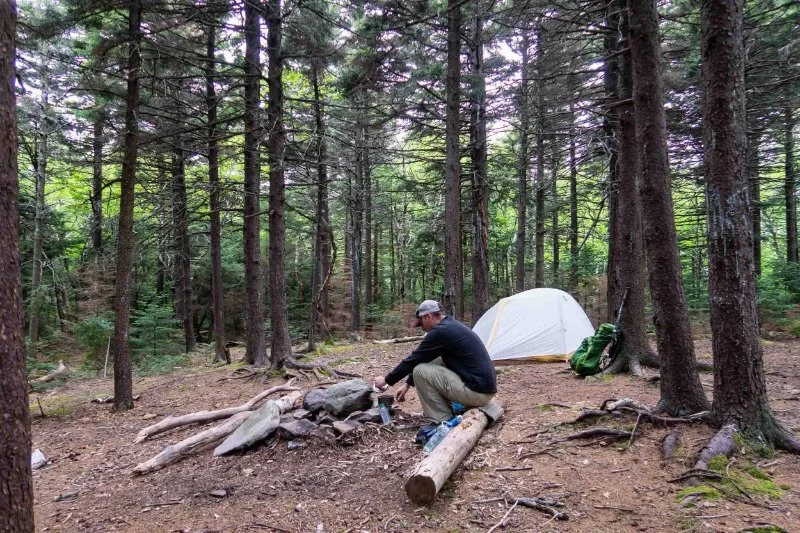
- How to Camp in Escarpment Ridge Zones
- Preparing for Camping in Escarpment Ridge Zones
- Essential Gear for Escarpment Ridge Camping
- Safety Tips for Camping in Escarpment Ridge Zones
- Exploring the Escarpment Ridge Zones: A Personal Camping Experience
- Find the Perfect Camping Location at Pine Cliff Resort
1. How to Camp in Escarpment Ridge Zones
Escarpment ridge zones offer some of the most scenic and peaceful camping experiences you can find. With towering cliffs, breathtaking views, and serene landscapes, these locations are perfect for those looking to immerse themselves in nature. However, camping in escarpment ridge zones requires a bit of preparation and knowledge. In this guide, we'll explore how to make the most of your camping experience in these stunning areas.
1.1. Understanding Escarpment Ridge Zones
Escarpment ridge zones are typically characterized by steep cliffs, rugged terrains, and unique ecosystems. These areas are often home to various wildlife and offer plenty of opportunities for hiking, nature photography, and stargazing. When planning a camping trip in such regions, it's important to respect the natural surroundings and adhere to Leave No Trace principles to minimize your impact on the environment.
1.2. Why Choose Escarpment Ridge Zones for Camping?
Camping in escarpment ridge zones offers a combination of adventure, tranquility, and natural beauty. These areas often remain less crowded than traditional camping grounds, allowing you to enjoy a more private and immersive experience. Whether you’re seeking a quiet retreat to disconnect from the world or an exciting adventure in the wild, escarpment ridges offer something for every type of camper.
2. Preparing for Camping in Escarpment Ridge Zones
Before you head out to an escarpment ridge for camping, preparation is key. These regions can be challenging, so knowing what to expect and how to pack appropriately is essential for ensuring a safe and enjoyable trip.
2.1. Research Your Destination
Not all escarpment ridge zones are the same, so it’s important to research the specific area you plan to visit. Check for trail maps, camping regulations, and any seasonal considerations like weather conditions or restricted areas. Some escarpment regions may require permits, so make sure to inquire about this in advance.
2.2. Plan Your Route
Escarpment ridge zones often feature trails that range from easy walks to challenging climbs. Know your limits and choose a route that matches your hiking experience. Always inform someone of your planned route and expected return time, especially when venturing into remote areas.
2.3. Accommodations and Campsites
While many escarpment ridge areas have established campsites, others may require backcountry camping. If you're new to backcountry camping, consider choosing a site that’s well-established and near popular hiking routes. Be prepared for more rugged conditions and ensure you have the appropriate gear for the environment.
3. Essential Gear for Escarpment Ridge Camping
Escarpment ridge camping requires specialized gear that can handle the rugged environment and unpredictable weather conditions. Here are some essentials you’ll need:
3.1. Quality Hiking Boots
Good hiking boots are essential when navigating rocky and uneven escarpment trails. Choose boots that provide excellent ankle support and have durable soles that can grip slippery or jagged surfaces.
3.2. Weather-Appropriate Clothing
Weather in escarpment ridge zones can be unpredictable, so pack clothing that will keep you warm and dry in changing conditions. Layering is key: start with moisture-wicking base layers, add an insulating layer, and finish with a waterproof outer layer to protect against rain or wind.
3.3. Camping Gear
When camping in escarpment regions, you need a sturdy tent that can withstand wind and other environmental elements. Consider a four-season tent if you're heading into higher altitudes. Also, make sure to bring a sleeping bag suitable for the temperatures you may encounter and a lightweight cooking system for preparing meals in the wild.
3.4. Navigation Tools
While trails may be well-marked, it’s always good to have backup navigation tools, like a compass, GPS, or a detailed map of the area. In remote locations, cell phone reception may be limited or unavailable, so it's important to have a reliable navigation plan.
4. Safety Tips for Camping in Escarpment Ridge Zones
Camping in escarpment ridge zones comes with unique challenges, so it's essential to prioritize safety throughout your trip. Here are some tips to keep in mind:
4.1. Stay Aware of Weather Changes
Escarpment ridges can experience rapid weather changes, especially in mountainous or elevated areas. Always check the weather forecast before you leave, and be prepared to change your plans if necessary. Carry rain gear and extra layers, and always have a shelter to retreat to in case of sudden storms.
4.2. Be Cautious of Wildlife
Many escarpment regions are home to diverse wildlife, such as bears, deer, and birds of prey. While these creatures can be fascinating to observe, it's important to keep a safe distance. Store food properly and use bear-proof containers if necessary to avoid attracting wildlife to your campsite.
4.3. Know Your Limits
The rugged terrain of escarpment ridges can be physically demanding. Always be honest with yourself about your hiking and camping abilities. If you’re not comfortable with certain trails or camping areas, choose easier routes or seek advice from locals or experienced campers.
5. Exploring the Escarpment Ridge Zones: A Personal Camping Experience
Imagine setting up camp at the edge of an escarpment ridge, surrounded by towering cliffs and endless views of the valley below. The air is fresh, and the sound of wildlife fills the silence. As night falls, the sky transforms into a canvas of stars, and you gather around the campfire to share stories with your group. This is the beauty of camping in escarpment ridge zones—a unique combination of adventure, serenity, and natural beauty that creates unforgettable memories.
6. Find the Perfect Camping Location at Pine Cliff Resort
If you’re looking for a stunning location to camp and experience the best of escarpment ridges, look no further than Pine Cliff Resort. With its breathtaking views, comfortable accommodations, and a variety of outdoor activities, Pine Cliff Resort is the perfect place for your next adventure. Whether you’re new to camping or a seasoned outdoor enthusiast, Pine Cliff Resort offers everything you need for a memorable experience.
Paddy Creek Campground
Campground Dr, Licking, MO 65542, USA
Visit Location PageHeritage Hills Campground
Liberty Tree Dr, Liberty, IN 47353, USA
Visit Location Page