
Learn how to choose a campsite for stargazing with practical tips on light pollution, location, and campsite setup to enjoy clear night skies and unforgettable star views.
- choose-a-campsite-for-stargazing #choose-a-campsite-for-stargazing
- light-pollution-and-stargazing #light-pollution-and-stargazing
- best-location-for-stargazing-camping #best-location-for-stargazing-camping
- stargazing-campsite-setup-tips #stargazing-campsite-setup-tips
- real-stargazing-camping-experiences #real-stargazing-camping-experiences
- planning-a-stargazing-camping-trip #planning-a-stargazing-camping-trip
How to Choose a Campsite for Stargazing That Truly Delivers
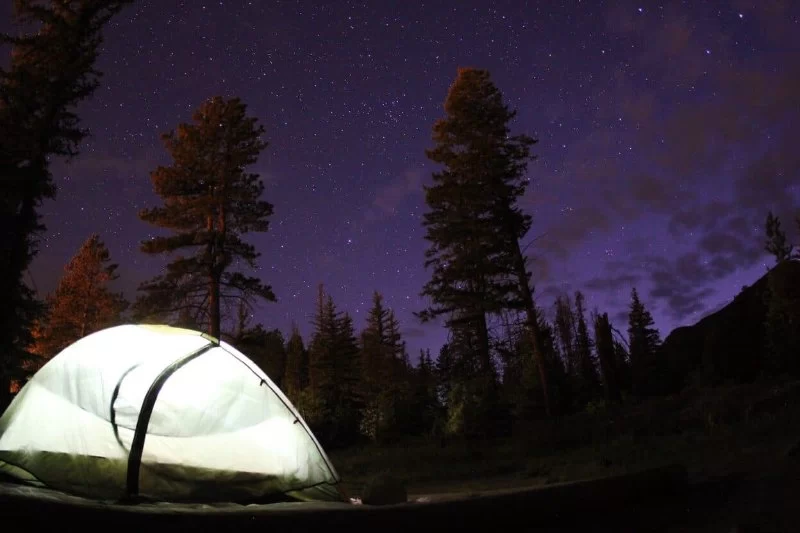
Learning how to choose a campsite for stargazing can completely transform a regular camping trip into something unforgettable. Many campers assume that simply being outdoors is enough to see the stars, but anyone who has pitched a tent near city glow knows that light pollution can ruin the experience. Stargazing requires intentional planning, thoughtful location choices, and a campsite setup that supports long nights under open skies.
For travelers across the United States, stargazing has become a meaningful way to reconnect with nature. Whether you are hoping to see the Milky Way, meteor showers, or just a sky full of constellations, choosing the right campsite is where everything begins.
Understanding Light Pollution and Why It Matters
1. How artificial light affects night skies
Light pollution comes from streetlights, buildings, vehicles, and nearby towns. Even small communities can cast a noticeable glow that washes out faint stars. For stargazers, this glow reduces contrast, making it harder to see anything beyond the brightest planets.
2. Reading light pollution maps
Many experienced campers rely on light pollution maps when planning trips. These maps show darkness levels by color, with darker areas offering the best viewing conditions. Campsites located in darker zones provide dramatically better skies, often revealing stars people never realized were visible to the naked eye.
3. Timing and seasonal considerations
Even the best campsite can disappoint if visited during a full moon. New moon phases create the darkest skies, while colder months often bring clearer air. Paying attention to both moon cycles and seasonal weather patterns can make a significant difference.
Finding the Best Location for Stargazing Camping
1. Distance from cities and highways
The farther you are from urban centers, the better your chances of dark skies. Remote state parks, national forests, and private resorts surrounded by wilderness tend to offer the best conditions. Highways may seem harmless during the day, but at night, passing headlights can disrupt long-exposure viewing and photography.
2. Elevation and open horizons
Higher elevations often provide clearer skies due to reduced atmospheric haze. Equally important is having open horizons. Campsites surrounded by tall trees or canyon walls may block large sections of the sky, limiting what you can see.
3. Accessibility without sacrificing darkness
Some of the best stargazing locations strike a balance between accessibility and isolation. Places like Pine Cliff Resort appeal to campers who want dark skies without extreme off-grid conditions, offering a comfortable base while still preserving nighttime views.
Stargazing Campsite Setup Tips That Make a Difference
1. Positioning your tent and gear
When setting up camp, place your tent so it blocks wind without obstructing the sky. Keep your main viewing area clear of obstacles and away from lanterns or campfires that can interfere with night vision.
2. Managing light at camp
Red-light headlamps and dim lanterns help preserve night vision. Bright white lights, even briefly, can undo minutes of eye adjustment. Many experienced stargazers keep all unnecessary lights off once darkness settles in.
3. Comfort encourages longer viewing
Stargazing often means staying still for extended periods. Comfortable chairs, warm blankets, and hot drinks help you stay out longer, increasing your chances of seeing satellites, shooting stars, or unexpected celestial events.
Real Stargazing Camping Experiences From the Field
A widely shared story among outdoor forums involves a family who planned their first stargazing trip without checking light pollution levels. Despite camping in a scenic area, nearby resort lighting drowned out most stars. The following year, they chose a darker location and described the experience as life-changing after seeing the Milky Way stretch across the sky.
Another camper recounted staying at a remote lakeside campground where reflections of stars shimmered on still water. The quiet setting and darkness turned casual stargazing into an emotional moment shared with friends.
Planning a Stargazing Camping Trip With Confidence
Successful stargazing trips rarely happen by accident. Researching light conditions, understanding terrain, and preparing your campsite setup all work together to create unforgettable nights. Choosing destinations known for dark skies and thoughtful layouts makes planning easier and results more rewarding.
For travelers seeking both comfort and exceptional night skies, destinations like Pine Cliff Resort offer an ideal balance. With careful planning and the right campsite, stargazing becomes more than an activity—it becomes a memory that stays with you long after the trip ends.
Super 8 by Wyndham Paris
1309 E Wood St, Paris, TN 38242, USA
Visit Location PageKentucky Music Hall Of Fame & Museum
2590 Richmond St, Mt Vernon, KY 40456, USA
Visit Location Page