
Learn how to choose the right backpacking setup for mixed terrain, including mountains, forests, and deserts. Discover tips and gear recommendations for a successful outdoor adventure.
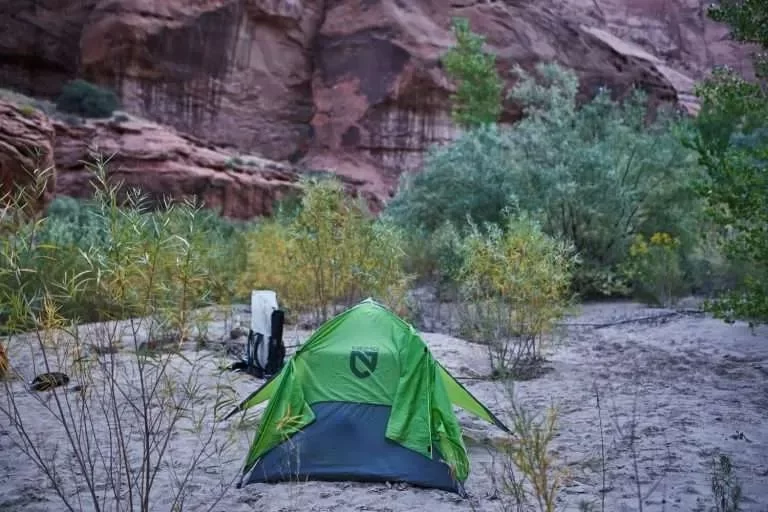
Choosing the Right Backpacking Setup for Mixed Terrain: Mountains, Forest, and Desert
Backpacking through diverse terrains like mountains, forests, and deserts can be an exciting and challenging experience. Whether you're heading out for a weekend trip or a week-long adventure, choosing the right setup for each type of environment is crucial for your comfort, safety, and overall enjoyment. The terrain you’ll encounter dictates the gear you should bring, and understanding these differences will help you prepare more effectively. Here, we’ll walk you through what to look for in your backpacking gear for each of these terrains, so you can be fully prepared for whatever nature throws your way.
1. Backpacking in the Mountains: Lightweight and Durable Gear
When planning a backpacking trip through the mountains, you need gear that can handle steep ascents, varying weather conditions, and possibly even unexpected weather changes. Mountains often come with rough trails and colder temperatures, so packing accordingly is essential.
Here’s what to focus on when preparing for a mountain adventure:
Choosing the Right Backpack
Your backpack should be sturdy yet lightweight to allow for easy movement while carrying all the necessary supplies. For mountain hikes, you should choose a pack with a capacity of 40 to 50 liters, which provides enough space for extra clothing layers, water, and snacks. Features like a hydration sleeve and reinforced straps are especially useful for mountain hikes.
Key Gear for Mountain Backpacking
- Weather-Resistant Clothing: Bring moisture-wicking layers, a waterproof jacket, and insulated layers, as temperatures can vary significantly at higher altitudes.
- Sturdy Footwear: Mountain trails can be rocky and uneven, so make sure you have durable hiking boots with good ankle support and non-slip soles.
- Compact Sleeping Bag: Mountains can be cold even in the summer, so choose a sleeping bag rated for lower temperatures.
Preparing for Weather Variability
Weather in the mountains can change abruptly. Pack extra waterproof layers and an emergency shelter, such as a lightweight tent or bivy sack, to stay dry and safe in case of rain or snow.
2. Backpacking in the Forest: Comfort and Versatility
Forest environments provide a bit more shelter from the elements but come with their own set of challenges, such as dense vegetation, muddy trails, and wildlife. When backpacking through forests, comfort and versatility are key factors to consider when selecting your gear.
Choosing the Right Backpack for Forest Hiking
For forest backpacking, a 50-60 liter pack is ideal. The extra space allows for more supplies like food, extra clothing, and perhaps a few comfort items like a small camping stove. Look for a pack that is well-ventilated and has a comfortable, adjustable harness, as you’ll be spending many hours carrying it through thick forests.
Key Gear for Forest Backpacking
- Bug Protection: Forest areas often have mosquitoes and ticks. Pack insect repellent and wear long sleeves and pants to protect yourself from bites.
- Lightweight Tent: Since forests can be dense, lightweight tents with a small footprint are perfect for setting up camp in tight spots.
- Water Filtration System: Freshwater sources are typically abundant in forests, but it's important to filter your water to prevent illnesses from bacteria or parasites.
Handling Wet Conditions
Forests can be wet and muddy, especially after a rainstorm. Make sure your gear is waterproof or water-resistant. Waterproof boots and rain gear are essential, as well as dry bags for keeping your clothes and electronics safe.
3. Backpacking in the Desert: Heat Resistance and Hydration
The desert is a completely different environment compared to mountains and forests. With hot, dry conditions, desert backpacking requires specific gear that can handle intense sun exposure, dry air, and long stretches between water sources.
Choosing the Right Backpack for Desert Hiking
For desert backpacking, you'll need a pack that’s lightweight but with enough room for plenty of water and sun protection. A 40-liter pack is typically sufficient for a desert hike, but you may want one with an adjustable top lid to store additional items like sunscreen and snacks.
Key Gear for Desert Backpacking
- Sun Protection: Choose a wide-brimmed hat, UV-protective clothing, and high-SPF sunscreen to prevent sunburns and heatstroke.
- Plenty of Water: Dehydration is a major risk in the desert, so ensure your pack has plenty of water capacity or carry a water filtration system to use when you find a water source.
- Lightweight Tent or Shelter: A lightweight, breathable tent with UV protection is essential for staying cool at night. Some people also opt for a hammock setup with a sunshade for extra comfort.
Keeping Cool in the Desert
The desert's intense heat can be draining, so it’s vital to plan your hikes during the cooler hours of the day, either early morning or late evening. Keep your gear shaded and use cooling towels or neck wraps to help regulate your body temperature.
4. General Tips for Mixed Terrain Backpacking
If your backpacking trip takes you across multiple terrains, such as from mountain to forest to desert, it’s crucial to prepare for all potential challenges. Here are a few general tips for mixed-terrain hiking:
- Layered Clothing: Use a layering system that can be adjusted based on temperature changes throughout the day. Lightweight merino wool or synthetic materials work well for both warmth and moisture-wicking.
- Versatile Footwear: Hiking boots that are sturdy enough for rocky mountains but breathable enough for desert conditions are key. Consider boots with breathable mesh uppers and waterproof options for certain areas.
- Emergency Gear: Regardless of the terrain, always carry emergency supplies like a first-aid kit, fire starter, multi-tool, and a map or GPS device to ensure you’re prepared for unexpected situations.
Conclusion
Choosing the right backpacking setup for mixed terrain is all about balancing comfort, durability, and versatility. Whether you're tackling mountain trails, trekking through forests, or braving the desert, the right gear can make all the difference in ensuring a successful and enjoyable adventure. By understanding the unique challenges of each terrain and selecting the appropriate gear, you can enhance your backpacking experience and make the most of every outdoor journey.
For expert advice on choosing the best gear and accessories for your next adventure, visit Pine Cliff Resort and discover our recommended products.
Trail Inn Lodging & Campground
20 Depot St, Frostburg, MD 21532, USA
Visit Location PageMcCreary's Beach Resort
155 McCrearys Bch Rd, Perth, ON K7H 0J3, Canada
Visit Location Page