
Discover how to stay warm while camping without a fire. From choosing the right clothing and gear to insulation tips and essential equipment, this guide covers everything you need for a warm, comfortable cold-weather camping trip.
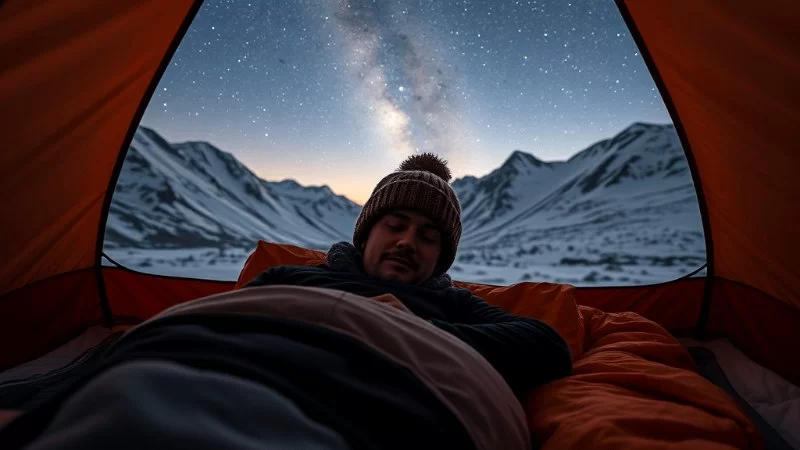
How to Keep Warm Without a Fire — Cold-Weather Camping Tips and Clothing Advice
Camping in cold weather can be an incredibly rewarding experience, but staying warm can be a challenge. Fires are often seen as the go-to solution for warmth in the wild, but what do you do when a fire isn't an option? In this guide, we’ll explore effective ways to keep warm while camping in cold weather, including tips on the right clothing, gear, and techniques that can make a huge difference. Whether you're camping in freezing temperatures or simply want to avoid the hassle of starting a fire, these tips will help you stay warm and comfortable on your outdoor adventure.
- Choosing the Right Clothing for Cold-Weather Camping
- Selecting the Best Sleeping Bag for Winter Camping
- Insulation Tips: How to Layer Your Gear for Maximum Warmth
- Essential Camping Gear for Cold Weather
- Food and Water: Staying Warm from the Inside Out
1. Choosing the Right Clothing for Cold-Weather Camping
When it comes to staying warm in the wild, what you wear is just as important as how you prepare your campsite. Layering is key—using a combination of base layers, mid-layers, and outer layers allows you to trap heat while still managing moisture. Start with a moisture-wicking base layer, such as merino wool or synthetic fabrics, to keep sweat off your skin. A good insulating layer, like fleece or down, helps retain body heat. Finally, your outer layer should be windproof and waterproof to protect you from the elements.
2. Selecting the Best Sleeping Bag for Winter Camping
Your sleeping bag is arguably your most important piece of equipment for staying warm while camping in cold weather. Choose a sleeping bag rated for temperatures lower than what you expect to encounter. For extreme cold, consider a down sleeping bag, which offers the best warmth-to-weight ratio. Make sure the sleeping bag has a good hood and a draft collar to keep cold air from entering. For extra warmth, use a sleeping pad underneath to insulate yourself from the cold ground.
3. Insulation Tips: How to Layer Your Gear for Maximum Warmth
Insulation is all about trapping heat close to your body. For added warmth without the need for a fire, focus on insulating layers. A down jacket or synthetic jacket is a great option for the mid-layer. To avoid overheating, always have a breathable outer layer that prevents moisture build-up while still protecting against wind and rain. If you're in need of extra warmth, consider using hand warmers or foot warmers, which can be placed in your gloves, boots, or sleeping bag.
4. Essential Camping Gear for Cold Weather
When you can’t rely on a fire, the right camping gear becomes even more critical. Make sure your tent is equipped with a weather-resistant rainfly and ground tarp. This helps prevent heat loss and keeps moisture out. A four-season tent is ideal for harsher conditions. Additionally, invest in quality thermal socks, insulated gloves, and a warm hat to protect your extremities, which are most susceptible to cold. For extra warmth, consider bringing along a portable camping stove to heat up drinks or food.
5. Food and Water: Staying Warm from the Inside Out
Keeping your body fueled is just as important as layering your clothing. High-calorie foods provide energy, which helps maintain your body heat. Hot meals and beverages, like soups and tea, not only keep you full but also warm you from the inside. Remember to stay hydrated, as dehydration can make you feel colder. In freezing temperatures, carry a thermos or insulated bottle to prevent your water from freezing during the night.
Camping without a fire might seem daunting, but with the right preparation, you can stay warm and enjoy your adventure. From clothing layers to sleeping bags, the right gear and techniques can ensure a comfortable camping experience in cold weather. To find the best products for your winter camping needs, head over to Pine Cliff Resort, where we offer top-quality camping gear that’s perfect for cold-weather adventures.
Trail Inn Lodging & Campground
20 Depot St, Frostburg, MD 21532, USA
Visit Location PageMcCreary's Beach Resort
155 McCrearys Bch Rd, Perth, ON K7H 0J3, Canada
Visit Location Page