
Learn effective strategies to keep your food safe from wildlife while enjoying outdoor activities. Discover practical tips and real-life examples to prevent wildlife interference with your food.
- 1 - Why Food Safety from Wildlife is Essential
- 2 - Understanding Common Wildlife Threats to Your Food
- 3 - Effective Strategies to Protect Your Food
- 4 - Additional Tips for Preventing Wildlife Intrusion
- 5 - Real-Life Examples of Food Safety from Wildlife
1 - Why Food Safety from Wildlife is Essential
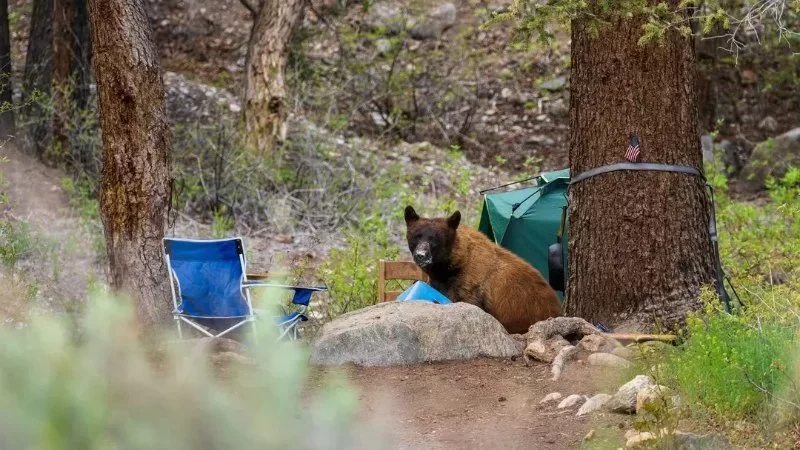
When enjoying outdoor activities, one of the most important concerns is keeping your food safe from wildlife. Whether you're camping, hiking, or simply enjoying a picnic, animals such as bears, raccoons, squirrels, and birds can cause significant problems by stealing your food. Protecting your food not only ensures that you have enough supplies but also helps prevent wildlife from becoming dependent on human food, which can lead to dangerous encounters.
2 - Understanding Common Wildlife Threats to Your Food
There are many types of wildlife that may pose a threat to your food, depending on your location and the environment you're in. Some of the most common offenders include:
- Bears: In many forested areas, bears are notorious for rummaging through food supplies, especially during their foraging season.
- Raccoons: Known for their dexterity, raccoons can easily access tents and food containers, making them a major nuisance for campers.
- Squirrels: While small, squirrels are persistent and will often raid picnic baskets or tents looking for food.
- Birds: Seagulls and other birds can swoop in and snatch food from your plates or bags when you're not paying attention.
Understanding which animals are likely to cause trouble in your area is the first step in devising a plan to protect your food effectively.
3 - Effective Strategies to Protect Your Food
Now that you understand the potential threats, here are some key strategies to keep your food safe from wildlife:
- Use bear-proof containers: When camping in bear-prone areas, always store your food in bear-resistant containers. These specialized containers are designed to withstand a bear's attempts to get inside.
- Hang your food: In areas without access to bear-proof containers, hanging your food in a tree is an effective method. Make sure to hang the food at least 10 feet above the ground and 4 feet away from the trunk to avoid animals reaching it.
- Pack food in sealed bags: Use airtight bags or containers to store your food, reducing the scent that can attract wildlife.
- Clean your cooking area: After cooking, be sure to clean all dishes, utensils, and cooking equipment. Leftover food scraps can attract animals.
4 - Additional Tips for Preventing Wildlife Intrusion
In addition to the main strategies for food protection, here are some extra tips to ensure your food stays safe from wildlife:
- Store food away from sleeping areas: Never store food near your sleeping area or tent. This makes it easier for animals to find your food during the night.
- Keep food in coolers: If you're picnicking, coolers with secure, locking lids can deter wildlife from getting inside.
- Use natural repellents: Some natural scents like peppermint oil, cinnamon, or citrus can act as repellents for wildlife. Spraying these around your food storage area can help keep animals at bay.
- Set up a food station: If you're camping in groups, set up a food preparation station away from sleeping tents. This helps keep food out of reach of animals.
5 - Real-Life Examples of Food Safety from Wildlife
Real-life examples demonstrate how crucial it is to implement proper food safety measures. For instance, a camping group in the Rockies had their entire food supply stolen by a bear after they stored it improperly in their tent. The bear tore through the tent, resulting in lost food and potential safety risks for the group. On the other hand, a hiker who hung their food in a bear bag 15 feet above the ground avoided a similar fate, despite being in the same area.
Another example involves a family on a picnic near the coast, where seagulls swooped in and grabbed their sandwiches while they were distracted. By using a cooler with a locking lid, they successfully kept their food safe from the birds.
For additional insights on how to make your outdoor experience safer and more enjoyable, visit Pine Cliff Resort for the best products, services, and recommendations for wildlife protection and outdoor dining essentials.
RV Park
3098 GA-56, Waynesboro, GA 30830, USA
Visit Location PageAt the Ridge
153 N Fork River Rd, Balsam Grove, NC 28708, USA
Visit Location Page