
Learn how to plan a camping trip that’s great for stargazing, wildlife watching, and photography. Discover timing tips, location insights, real travel stories, and nature-focused adventure ideas.
- 1-how-to-plan-a-camping-trip-for-stargazing-wildlife-and-photography-#how-to-plan-a-camping-trip-for-stargazing-wildlife-and-photography
- 2-choosing-the-right-location-for-night-skies-and-wildlife-#choosing-the-right-location-for-night-skies-and-wildlife
- 3-planning-your-trip-around-light-weather-and-season-#planning-your-trip-around-light-weather-and-season
- 4-preparing-for-stargazing-wildlife-safety-and-ethical-viewing-#preparing-for-stargazing-wildlife-safety-and-ethical-viewing
- 5-nature-photography-tips-for-beginners-in-the-wild-#nature-photography-tips-for-beginners-in-the-wild
- 6-real-experience-story-a-camping-trip-that-became-unforgettable-#real-experience-story-a-camping-trip-that-became-unforgettable
- 7-planning-support-and-nature-focused-ideas-from-pine-cliff-resort-#planning-support-and-nature-focused-ideas-from-pine-cliff-resort
1. How to Plan a Camping Trip That’s Great for Stargazing, Wildlife, and Photography — Nature-Focused Adventure Ideas
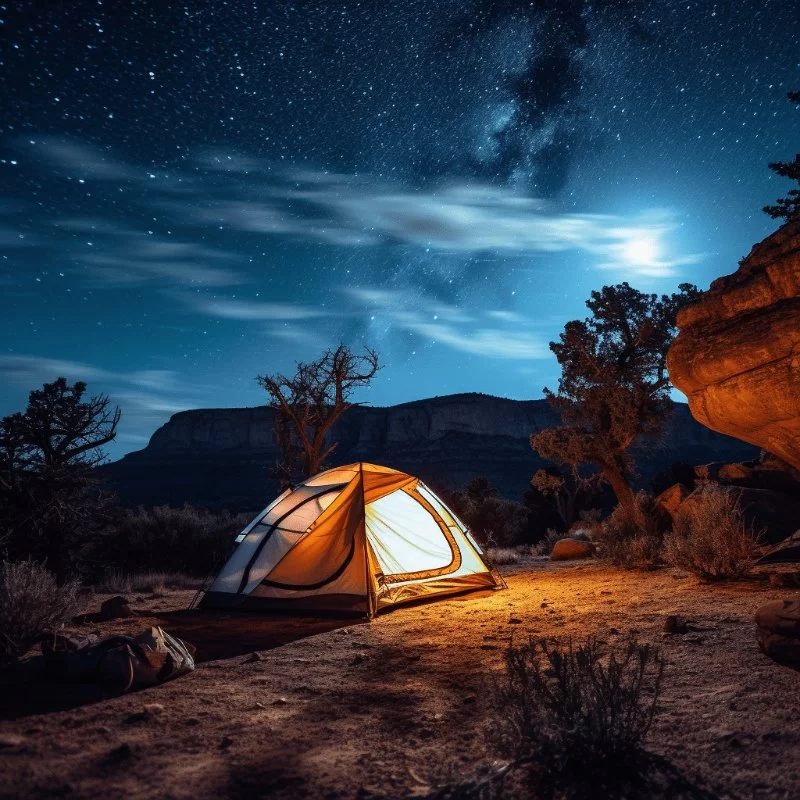
A well-planned camping trip can feel less like a quick weekend escape and more like a full-immersion nature experience — especially when it’s built around stargazing, wildlife watching, and photography. These kinds of trips invite you to slow down, look closer, and notice moments that everyday life rarely allows — the quiet glow of the Milky Way, the rustle of animals at dawn, or the way light shifts across a forested ridge.
For many U.S. travelers, nature-focused camping is not only about adventure. It’s about curiosity, mindfulness, and appreciation for the landscape. With the right preparation, a camping trip can create space for creativity and exploration — while still staying safe, comfortable, and respectful of the environment.
2. Choosing the Right Location for Night Skies and Wildlife
Every great outdoor experience begins with choosing a destination that aligns with your goals — whether that’s seeing clear night skies, spotting wildlife in its natural habitat, or finding landscapes that inspire photography.
1. Look for low-light pollution regions for better stargazing
Areas far from city glow offer deeper star visibility, especially during moon-free nights. High-elevation campgrounds and remote rural parks often provide ideal viewing conditions for constellations and meteor activity.
2. Research habitats known for wildlife movement
Some regions are home to seasonal migrations or early-morning activity near meadows, wetlands, and forest edges. Understanding terrain and wildlife behavior increases the chance of natural sightings without disturbing the environment.
3. Choose landscapes that inspire photography variety
Locations with lakes, valleys, rocky overlooks, or pine-covered ridges offer more creative compositions — especially during sunrise and golden-hour lighting.
3. Planning Your Trip Around Light, Weather, and Season
Nature-focused camping is largely shaped by timing. The same campsite can feel completely different in spring, summer, or fall depending on sky clarity, wildlife behavior, and seasonal color.
1. Consider moon phases for stargazing visibility
New-moon periods create darker skies for astrophotography, while partial-moon nights add soft landscape illumination that can be equally beautiful for long-exposure shots.
2. Plan sunrise and sunset observation windows
Wildlife movement often increases around dawn and dusk, and photographers know that these lighting conditions create the most dynamic and natural tones.
3. Prepare for changing weather conditions
Mountain and lakeside regions can shift from warm afternoons to chilly evenings quickly. Layer-ready clothing and weather-aware planning help maintain comfort and safety.
4. Preparing for Stargazing, Wildlife Safety, and Ethical Viewing
Meaningful outdoor experiences are grounded in respect — for the landscape, for other campers, and especially for wildlife. A thoughtful approach protects both travelers and ecosystems.
1. Keep safe observation distances from wildlife
Even calm-appearing animals may react unpredictably. Observing quietly from afar ensures natural behavior remains undisturbed.
2. Use minimal-impact lighting at night
Soft red-light headlamps preserve night vision and reduce disruption to nocturnal species while stargazing or setting up equipment.
3. Follow Leave No Trace principles
Pack out waste, stay on durable ground, and avoid damaging vegetation — especially while positioning for photos or night-sky viewing.
5. Nature Photography Tips for Beginners in the Wild
Photography in natural settings is as much about patience as it is about equipment. Many memorable shots happen through quiet observation rather than constant repositioning.
1. Work with natural light instead of forcing exposure
Early-morning fog, backlit trees, or soft evening glow often capture atmosphere better than harsh midday light.
2. Let scenes unfold instead of chasing moments
Staying still allows wildlife to move naturally through the environment — creating more authentic and meaningful images.
3. Remember that every shot tells part of the larger story
Footprints in sand, reflections on water, or campfire silhouettes can be just as emotionally powerful as wide-angle landscapes.
6. Real Experience Story — A Camping Trip That Became Unforgettable
During a late-summer camping trip in a pine-forest region, a small group planned their weekend around night-sky viewing and early-morning wildlife observation. On the second night, the sky opened into a clear band of stars stretching across the horizon — the Milky Way visible without effort. The next morning, as the first light reached the valley floor, a small herd of deer moved quietly through the meadow below.
The group later described the trip as one of the few times they felt completely present — where photography was not just about capturing images, but about preserving the feeling of being part of the landscape itself.
7. Planning Support and Nature-Focused Ideas From Pine Cliff Resort
If you’re dreaming of a camping trip designed around stargazing, wildlife, and photography, thoughtful planning can turn inspiration into an experience you’ll truly remember. At Pine Cliff Resort, you can explore nature-focused travel insights, destination ideas, and helpful recommendations for outdoor stays that bring you closer to the landscape while staying comfortable and prepared. For travelers seeking meaningful and immersive outdoor moments, Pine Cliff Resort offers guidance and suggestions to help you design a camping adventure that feels personal, scenic, and deeply connected to nature.
Indiana Beach
Unnamed Road, Monticello, IN 47960, USA
Visit Location PageGraceland RV Park & Campground
3691 Elvis Presley Blvd, Memphis, TN 38116, USA
Visit Location Page