
Learn how to stay cool and comfortable while camping. This guide covers camping safety tips, wildlife precautions, and staying safe in the heat for a smooth outdoor experience.
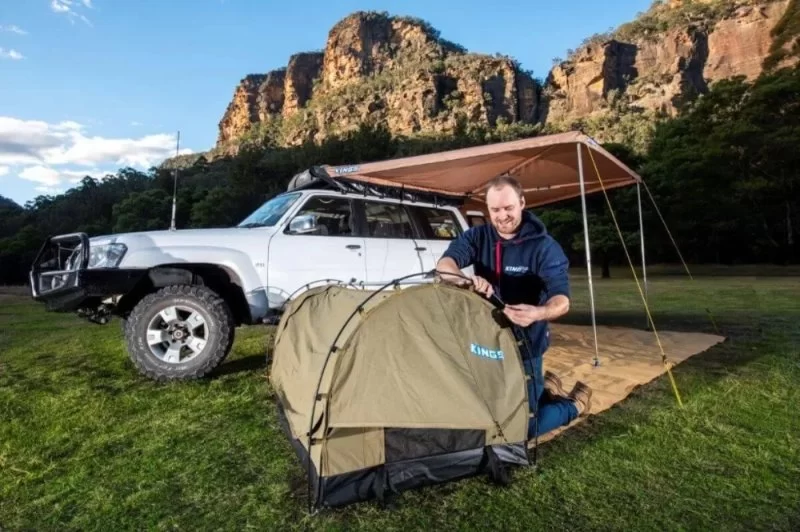
Camping is a fantastic way to connect with nature, but it also comes with challenges, especially when it comes to staying cool, comfortable, and safe. Whether you're heading out on a summer camping trip or planning to camp in areas with wildlife, it’s essential to take the right precautions. This guide will provide you with essential camping safety tips, how to stay cool in the heat, and how to handle wildlife encounters to ensure a safe and enjoyable camping experience.
- How to Stay Cool While Camping in the Heat
- Dealing with Wildlife: Camping Safety Precautions
- Tips for Staying Comfortable in Outdoor Camping Conditions
- Real-Life Stories: Staying Cool and Safe on Camping Trips
1. How to Stay Cool While Camping in the Heat
Summer camping can be a lot of fun, but it can also become uncomfortable if you're not prepared to handle the heat. Staying cool is essential for enjoying your time outdoors and avoiding heat-related illnesses such as dehydration or heatstroke. Here are some tips to keep yourself cool:
- Choose Shaded Campsites: Look for campgrounds with plenty of trees or shaded areas to protect yourself from the sun’s heat during the day.
- Stay Hydrated: Drink plenty of water throughout the day, especially if you’re active. Bring extra water supplies and use cooling techniques like dampening your clothes with cold water.
- Wear Lightweight Clothing: Choose breathable, light-colored clothing that allows air circulation and reflects sunlight.
- Set Up Your Tent Wisely: Set up your tent in the shade and, if possible, use reflective tarps to minimize direct sun exposure inside the tent.
- Cool Off with Portable Fans: Consider bringing a portable battery-operated fan to create a breeze and keep the air moving inside your tent.
2. Dealing with Wildlife: Camping Safety Precautions
Wildlife encounters can be an exciting part of camping, but it’s important to stay safe and respect animals' natural habitats. Here’s how you can protect yourself and minimize the risk of wildlife-related incidents:
- Store Food Properly: Always store food, snacks, and even toiletries in bear-proof containers or in your car, away from your campsite. Never leave food unattended.
- Make Noise: When hiking or moving through wooded areas, make noise to alert animals of your presence and avoid startling them.
- Keep a Safe Distance: Never approach wildlife, and if you spot an animal, observe from a distance. Keep your distance to avoid provoking the animal.
- Understand Animal Behavior: Learn about the animals that inhabit the area and what to do in case you encounter them. For example, if you encounter a bear, don’t run; stand your ground and back away slowly.
3. Tips for Staying Comfortable in Outdoor Camping Conditions
Camping involves more than just staying safe; comfort is key to having a great outdoor experience. From your sleeping arrangements to managing the weather, here are some tips to ensure you stay comfortable:
- Invest in a Good Sleeping Bag: Choose a sleeping bag appropriate for the season. Make sure it’s well-insulated to keep you warm at night but breathable enough to prevent overheating.
- Use a Comfortable Sleeping Pad: Sleeping on the ground can be uncomfortable, so invest in a high-quality sleeping pad or air mattress to improve your sleep quality.
- Wear Proper Footwear: Comfortable, sturdy shoes are crucial for hiking and walking around the campsite. Consider lightweight shoes with good traction for different terrain types.
- Plan for Weather Changes: Bring layers of clothing that you can easily adjust depending on the temperature. Always have a rain jacket and some warm layers in case the weather turns.
4. Real-Life Stories: Staying Cool and Safe on Camping Trips
Take the story of Emily and her family, who went camping in the Rocky Mountains during the summer. Despite the high temperatures, they were well-prepared, setting up their tent in a shaded area, staying hydrated, and using a portable fan at night. When a bear wandered nearby, they followed all the safety precautions—keeping their food secured and staying calm. Their trip was a success because they planned ahead and remained vigilant. Emily’s experience shows how preparation and knowledge can make your camping experience enjoyable and safe.
Quiet Rest Campground
674 Frontage Dr, Moundsville, WV 26041, USA
Visit Location PageDevore Trail Camp
12 Rincon Red Box Rd, Azusa, CA 91702, USA
Visit Location Page