
Learn how to camp sustainably with eco-friendly practices. Follow these sustainable camping tips to minimize your impact on nature while enjoying the great outdoors.
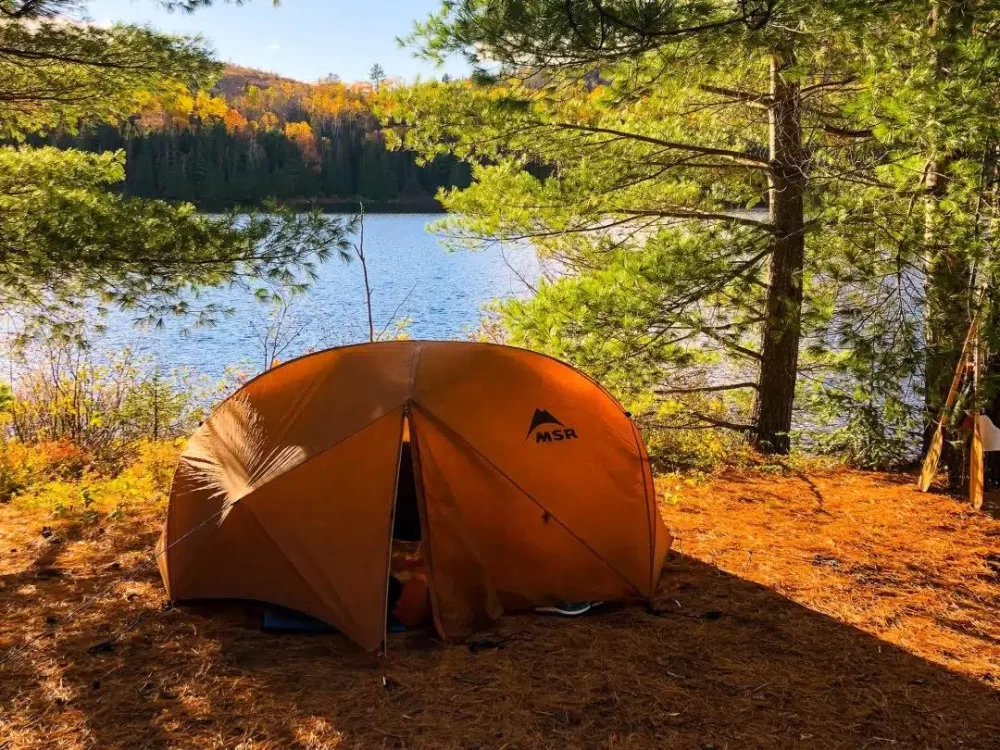
How to Camp Sustainably – Essential Eco-Friendly Camping Tips
- Choose Eco-Friendly Gear
- Follow Leave No Trace Principles
- Use Sustainable Camping Food
- Reduce Waste and Plastic Usage
- Responsible Campfire Practices
- Respect Wildlife and Nature
- Support Eco-Conscious Campgrounds
1. Choose Eco-Friendly Gear
Investing in sustainable camping gear is one of the first steps to camping responsibly. Opt for tents, sleeping bags, and cooking equipment made from recycled or sustainable materials. Brands like Patagonia and Nemo offer eco-conscious outdoor products that reduce environmental impact.
2. Follow Leave No Trace Principles
The Leave No Trace guidelines are essential for minimizing human impact on nature. Key principles include disposing of waste properly, respecting wildlife, and leaving natural areas as you found them. Always stick to designated trails and campsites.
3. Use Sustainable Camping Food
Plan meals that minimize packaging and waste. Bring reusable containers, avoid single-use plastics, and opt for locally sourced or organic food when possible. Consider plant-based meals, which have a lower environmental footprint compared to meat-heavy diets.
4. Reduce Waste and Plastic Usage
Single-use plastics are a major environmental issue. Use refillable water bottles, biodegradable soap, and reusable utensils. If possible, pack out all trash and recycle whenever facilities are available.
5. Responsible Campfire Practices
Campfires can be damaging if not managed properly. Use established fire rings, keep fires small, and never leave them unattended. Alternatively, use a portable camp stove to minimize environmental impact and reduce wildfire risks.
6. Respect Wildlife and Nature
Wildlife should be observed from a distance. Never feed animals, as it disrupts their natural behavior. Store food properly to prevent attracting bears and other wildlife. Stick to marked trails to protect fragile ecosystems.
7. Support Eco-Conscious Campgrounds
Choose campgrounds that follow sustainable practices, such as composting toilets, renewable energy use, and waste reduction programs. Many national parks and private campgrounds now offer eco-friendly facilities to promote responsible camping.
Pinewood Reservoir Campground
Pole Hill Rd, Loveland, CO 80537, USA
Visit Location PageOnion Valley Campground
Onion Valley Rd, Independence, CA 93526, USA
Visit Location Page